第一节:听力理解(5段共15小题;每小题2分,满分30分)

每段播放两遍。各段后有几个小题,各段播放前每小题有5秒钟的阅题时间。请根据各段播放内容及其相关小题,在5秒钟内从题中所给的A、B、C项中,选出最佳选项,并在答题卡上将该项涂黑。

听第1段对话,回答第1至第3三个小题。

1. What's the probable relationship between the two speakers?

  A. Brother and sister.      B. Classmates.           C. Teacher and student.

2. What will the man buy for the woman?

  A. Some bananas.        B. Some apples.         C. Nothing.

3. What does the man promise to do?

  A. He will help the woman with the test.

  B. He will help the woman do the homework.

  C. He will help the woman with the lessons she has missed.

听第2段对话,回答第4至第6三个小题。

4. Why did the woman not go to college?

  A. She was not interested in college.

  B. Her family could not afford her college education.

  C. She failed the entrance exams.

5. What does the woman do now?

  A. She is a shop assistant. B. She is a housekeeper. C. She is a bus conductor.

6. What does the woman think of her friend’s university life?

A. It is boring and dull. 

B. It is busy and tiring.

C. It is wonderful and attractive.

听第3段对话,回答第7至第9三个小题。

7. Where are they going this evening?

  A. A new restaurant.   B. A new bar.            C. A party.

8. How many people will be together this evening?

  A. Two.        B. Three.           C. Four.

9. What's the probable relationship between the two speakers?

  A. Husband and wife.  B. Waitress and customer.    C. Friends.

听第4段独白,回答第10至第12三个小题。

10. What can not be raised in universities?

  A. Turtles.       B. Sheep.           C. Kittens.

11. Why do many students raise pets in universities?

  A. Because the universities ask them to do so.

  B. Because they want to become famous like superstars.

  C. Because they want to show that they can shoulder responsibility by raising pets.

12. Which of the following is right according to the listening material?

  A. Girl students usually raise crabs and fish.

  B. Students can take part in the drive for animal protection after class.

  C. Boy students often raise doggies.

听第5段对话,回答第13至第15三个小题。

13. What do we know about the speakers?

  A. They are expecting the holiday like other students.

  B. They have never been to the seaside before.

  C. They have to mail the check before enjoying the holiday.

14. How long will their holiday last?

  A. Ten days.                 B. Two days.            C. A month.

15. What can we learn from the conversation?

  A. Both of them hold that it’s worth spending the money.

  B. They are going to stay there for four nights.

  C. They have to stay in a small hotel.

(一)单项选择题

1.D[解析]常规能源并非都是非可再生能源;清洁能源并非都是新能源;目前科技条件下,利用的主要是常规能源,但新能源也有利用。

2.C[解析]山西省产业结构原以煤炭开采为主。

3.C[解析]现在山西省新构建的产业链主要有三条:煤-电-铝,煤-焦-化,煤-铁-钢;其他两条是副产业链。

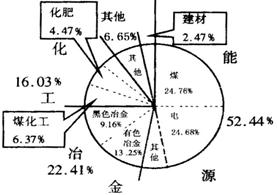
4.B[解析]读图可知山西省原料工业1995年占40%,到2000年占约50%,约增加了10%。

5.B[解析]山西优质动力煤基地是大同,煤炭运输量比较大,最佳运输路线是通过大秦铁路输送到秦皇岛,再经海运运到珠三角。

6.C[解析]山西煤炭外运主要方式是以原煤方式进行。

7.B[解析]为了加快黄土高原地区煤炭外运,新建了神黄铁路,在山西部分则表现为从朔州-黄骅港。

8.C[解析]西部大开发本身对山西的煤炭市场没有直接反面的影响。

9.D[解析]山西重化工业为主的产业结构,带来很重的环境污染;重化工业本身耗能多,加重了能源开采力度,加重了对生态的破坏。

10.A[解析]我国能源消费结构的最大特点是以煤为主。

11.A[解析]由于我国人口多,故我国人均能源消费量并不高;由于我国技术水平不高,所以单位产值能耗高。

12.B[解析]能源资源的开发,考虑的前提首先是区域的能源资源状况(内因),其他都是外因。

13.C[解析]风能和生物能是可再生能源。

14.D[解析]建材工业应向轻型、薄型方向发展,以减少对资源的消耗。

15.B[解析]注意前后次序,筑坝先保护,然后开采,最后回填、复垦、农业经营。

16.B[解析]注意题中是对空气污染的治理有效手段;C是处理水污染;路面硬化,不利于采后复垦;煤矸石填充露天矿坑属复垦工作,并非治理空气污染。

17.D[解析]由于山西能源基地建设的复杂性,生态环境方面的问题比较严重,所以应采取工程、生物措施并结合复垦等措施,达到生态效益与经济效益的双赢。

18.D[解析]山西发展炼铝工业的条件:一是该省有丰富的铝土矿,二是该省能源丰富,价格低廉,而炼铝工业需要大量的能源。

 0  351741  351749  351755  351759  351765  351767  351771  351777  351779  351785  351791  351795  351797  351801  351807  351809  351815  351819  351821  351825  351827  351831  351833  351835  351836  351837  351839  351840  351841  351843  351845  351849  351851  351855  351857  351861  351867  351869  351875  351879  351881  351885  351891  351897  351899  351905  351909  351911  351917  351921  351927  351935  447090 

违法和不良信息举报电话:027-86699610 举报邮箱:58377363@163.com

精英家教网