主动语态的构成
|
一般现在时 |
一般过去时 |
|
do/does,( is/am/are ) |
did,(was/were) |
|
现在进行时 |
过去进行时 |
|
is/am/are doing |
was/were doing |
|
现在完成时 |
过去完成时 |
|
has/have done |
had done |
|
现在完成进行时 |
过去完成进行时 |
|
has/have been doing |
had been doing |
|
一般将来时 |
过去将来时 |
|
will/shall do is/am/are going to do is/am/are(about)to do |
would/should do was/were going to do was/were(about)to do |
被动语态的构成
|
一般现在时 |
一般过去时 |
|
is/am/are done |
was/were done |
|
现在进行时 |
过去进行时 |
|
is/am/are being done |
was/were being done |
|
现在完成时 |
过去完成时 |
|
has/have been done |
had been done |
|
一般将来时 |
过去将来时 |
|
will/shall be done is/am/are going to be done is/am/are(about)to be done |
would/should be done was/were going to be done was/were(about)to be done |
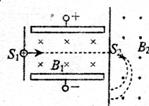 (2)如果这些一价铜离子在匀强磁场B2中发生偏转后,打在过小孔S2且与两磁场分界面重合的照相底片上,已知分界面与小孔SlS2连线垂直,若感光点到小孔S2的距离分别为d1=0.654m,d2=0.674m ,那么对应的两种铜离子的质量数之比为多大?
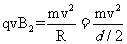 ③(4分)
 ④(1分)
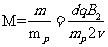 ⑤ (1分)
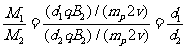 ⑥
 ⑦(1分)
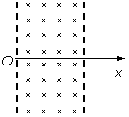 A.在磁场中运动时间不相同
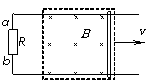 (2010年3月汕头一模)如图,光滑的平行长直金属导轨置于水平面内,导轨左端接有电阻R,导体棒垂直跨接在导轨上.在导轨平面上有一矩形区域内存在着竖直向下的匀强磁场.开始时,导体棒静止于磁场区域的右端,当磁场匀速向右移动时 C
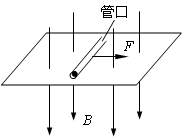 (2010年3月茂名一模)如图所示,匀强磁场的方向竖直向下。磁场中有光滑的水平桌面,在桌面上平放着内壁光滑、底部有带电小球的试管.试管在水平拉力F作用下向右匀速运动,带电小球能从管口处飞出.关于带电小球及其在离开试管前的运动,下列说法中正确的是 AC