题目内容

【题目】 Happy, angry, amazed—these are some of the emotions we like to express these days when we’re sending a message on our smart phones! That’s why many of us now add little pictures to our texts to brighten up someone’s mobile screen but we’re also using them as a quick way of telling someone how we’re feeling. Yes, emojis (表情符号) have become a popular tool for communication.

The emoji was first invented in Japan in the late 1990s and the word “emoji” comes from the Japanese words for “picture” and “character”. The number of different images has greatly increased since then and now we have a picture for nearly every mood or situation.

Why are emojis widely used today? Professor Vyv Evans says, “Increasingly, what we’re finding is that digital communication is replacing face-to-face talk in some ways. One of the reasons why emojis are so interesting is that they really do enable us to express our emotional selves much more effectively.”

Another advantage of emojis is that they are an international language—they don’t use words but tell a message with pictures so they can be easily understood whatever your native language is.

But as linguist (语言学家) Neil Cohn says, “To many, emojis are an exciting evolution (进化) of the way we communicate; but to others, they are linguistic Armageddon.” It does show by using emojis, there is a lot more to our communication than words alone, but does this also mean that the traditional writing will die out one day?

1What is implied(暗示) in Paragraph 2?

A.The emoji was first invented in Japan.

B.The word “emoji” only means “picture” and “character”.

C.More and more pictures are used to express our mood today.

D.The number of emoji images will increase rapidly in the future.

2Why do people use emojis so widely?

A.Emojis can never be misunderstood.

B.Emojis are similar to some native languages.

C.Emojis make us communicate more effectively.

D.Emojis can replace face-to-face communication.

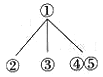
3What is the structure of the passage?

A.B.C.D.

【答案】

1C

2C

3A

【解析】

这是一篇说明文。本文说的是手机通讯中的表情符号。文章介绍了它的起源、用途、优点,及语言学家对它的态度.。

1推理判断题。根据第二段中The number of different images has greatly increased since then and now we have a picture for nearly every mood or situation.(不同的图像的数量大大增加,现在我们几乎每一个情绪或情况都有一个图片。)可知越来越多的图片用来表达我们今天的心情,故选C

2细节理解题。根据第三段Why are emojis widely used today Professor Vyv Evans says "Increasingly what we're finding is that digital communication is replacing face-to-face talk in some ways One of the reasons why emojis are so interesting is that they really do enable us to express our emotional selves much more effectively"为什么今天表情符号被广泛使用?Vyv Evans教授说:"越来越多的人发现,数字交流在某种程度上取代了面对面的交流。可知表情符号之所以如此有趣,其中一个原因是它们确实使我们能够更有效地表达自己的情感."越来越多的人使用表情符号,故选C

3推理判断题。本文先提出手机通讯中的表情符号,然后文章介绍了它的起源、用途、优点,及语言学家对它的态度。重点介绍了表情符合,所以是总分式结构,故选A

练习册系列答案
相关题目

【题目】When was the last time you had fun with your parents? Your parents are all busy during working days; during the weekends, you may want to hang out with them but they may have to work extra hours.

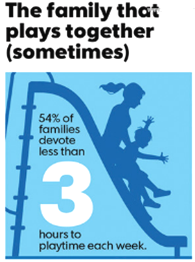
This is not uncommon. In China, both of the parents have their jobs. Most of theparents try their best to offer their children comfortable circumstances, but they seldom have time to stay with their children. A recent survey done in the US found that more than half of American parents spend less than three hours having fun with their children each week.

As the Daily Mail noted: Families are spending little quality time creating bonds and precious memories together during the week because of the demands of modern life.

【写作内容】

1.用约30个单词概述上述信息的主要内容;

2. 简要分析父母陪伴孩子的时间越来越少的原因;

3. 结合自己的经历,谈谈父母多陪伴孩子对其孩子的影响。

【写作要求】

1. 写作过程中不能直接引用原文语句;

2. 作文中不能出现真实姓名和学校名称;

3. 不必写标题。

____________________________________________________________________________________________

____________________________________________________________________________________________

____________________________________________________________________________________________

____________________________________________________________________________________________

____________________________________________________________________________________________

____________________________________________________________________________________________

____________________________________________________________________________________________

______________________________________________________________

【题目】 When I was young, I read only comic books. My mother, who was a keen reader, tried to get me to read regular books, but they seemed _______ to me. Why would anyone want to read a book without pictures, I wondered? It would be _______ watching a movie with your eyes closed. And novels seemed to be too _______ In my mind, a comic book was a roller coaster ride _______ a novel was five hours in rush hour traffic.

Whenever she saw me with a comic book, my mother would complain, which totally _______ my comic book reading experience. One summer, she even _______ me. “If you don’t read at least one book this summer, we’re not going to go on our camping trip,” she said. What could I do? I had been looking forward to that _______ for months!

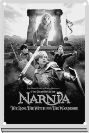
“Fine,” I _______, “I’ll read one book.” _______, my mother took me down to her evil dungeon (地牢), the local ________, where the librarian ________ The lion, the Witch and the Wardrobe, the first book of The Chronicles of Narnia by CS. Lewis. I unwillingly ________ the book while my mother and the librarian exchanged a(n) ________ glance.

When we got home, I cracked the book open and started reading. I ________ I’d read the first few pages then skip to the end because I knew my mother would ________ me about it. Imagine my ________ when my mother called me to dinner and I was halfway through the book! ________ a comic book was a roller coaster ride, the novel was all the rides at Disney world rolled into one!

I ________ reading the entire The Chronicles of Narnia series that summer, which I consider the ________ of my great friendship with books. Now I read an average of one book a week, and sometimes my wife ________ that I read too much!

1A. strangeB. boringC. commonD. easy

2A. throughB. ofC. likeD. for

3A. thickB. thinC. shortD. long

4A. whileB. beforeC. afterD. as

5A. sharedB. ruinedC. broadenedD. recorded

6A. comfortedB. punishedC. threatenedD. reassured

7A. summerB. tripC. bookD. tent

8A. agreedB. reportedC. askedD. denied

9A. SuddenlyB. SecretlyC. ExcitedlyD. Generally

10A. bookstoreB. officeC. supermarketD. library

11A. describedB. revealedC. recommendedD. arranged

12A. acceptedB. printedC. postedD. showed

13A. nervousB. casualC. admiringD. understanding

14A. rememberedB. figuredC. suggestedD. promised

15A. tellB. consultC. challengeD. quiz

16A. sorrowB. angerC. fearD. surprise

17A. IfB. UnlessC. OnceD. Because

18A. gave upB. turned upC. ended upD. picked up

19A. startB. resourceC. spotD. goal

20A. confirmsB. complainsC. hopesD. suspects

违法和不良信息举报电话:027-86699610 举报邮箱:58377363@163.com

精英家教网