用疑问代词疑问形容词或疑问副词引导的疑问句叫特殊疑问句。特殊疑问句不能用yes或no回答,读时用降调。
注意
|
常见的疑问代词有what, which, who, whom, whose |
|
常见的疑问形容词有what, which, whose |
|
常见的疑问副词有when, where, why, how |
常用的特殊疑问句
|
询问内容 |
疑问词或句型 |
例 句 |
回 答 |
|
职业,身份 |
what |
What is your father? |
He is a doctor. |
|
姓名或关系 |
who |
Who is that boy? |
He is Jack.
He is my brother |
|
相貌特征 |
what…like? |
What is she like?
What does she look like? |
She is beautiful. |
|
目的 |
what…for? |
What did they come here for? |
To attend a meeting. |
|
原因 |
why |
Why did they come here? |
Because they have a meeting to attend. |
|
天气 |
how
what…like? |
How is the weather today?
What is the weather like today? |
It’s fine. |
|
颜色 |
what color…? |
What dolor is her skirt? |
It’s red. |
|
服装尺寸 |
what size |
What size does he wear? |
He wars 40. |
|
几点钟 |
what time |
What time is it? |
It’s 7:30. |
|
星期几 |
what day |
What day is today? |
It’s Tuesday. |
|
几号,日期 |
what is the date…? |
What is the date today? |
It’s May 2. |
|
年龄(多大) |
how old |
How old is he? |
He is 38. |
|
持续多长时间(多久) |
how long |
How long have you been here? |
For five months. |
|
长度(多长) |
how long |
How long is the bridge? |
It’s 500 metres. |
|
距离(多远) |
how far |
How far is it from here to the zoo? |
It’s 6 kilometres. |
|
频度
(多经常) |
how often |
How often do you come back? |
Once a week. |
|
时间经过
(多快) |
how soon |
How soon will she arrive? |
In an week. |
|
数量
(多少) |
how many(可数名词)
how much(不可数名词) |
How many jackets do you have?
How much coffee do you want? |
Three.
Two cups. |
|
价格 |
how much |
How much is it?
How much does it cost? |
Five dollars. |
|
高度
(多高) |
how tall(人,树)
how high(山,建筑物) |
How tall is she?
How high is the tower? |
She’s 1.73 metres.
It’s 450 metres. |
3. 选择疑问句:
选择疑问句是说话者提出两种或两种以上的不同情况,让对方选择回答的疑问句。其结构是“疑问句+选择部分”。选择部分由or连接,or前面的部分读升调,or后面的部分读降调。
选择疑问句不能用yes或no回答,而必须具体的选择答复。
Is your bag yellow or black? It’s black.。
Would you like some tea or coffee? Either will do.。
Which do you like better, singing or dancing? I like dancing better.
4. 反意疑问句:
反意疑问句是指在陈述句之后附加一个意思与之相反的简短问句,问对方是否赞同的疑问句。附加问句的否定式必须缩写。
(1)肯定的陈述句后跟否定的附加问句,否定的陈述句后跟肯定的附加问句。
I am your teacher, aren’t I? 我是你的老师,对吗?
He didn’t study hard, did he? 他学习不努力,对吗?
(2)如果陈述句中含有否定副词never(从不,决不),hardly(几乎不)或其他表示否定代词或形容词,如nothing, none no one, nobody, neither, few, little等,则附加问句只能用肯定式。如:
They hardly write to each other, do they? 他们几乎不给对方写信,是吗?
He has found nothing, has he? 他什么也没有找到,是吗?
Few people knew the secret, did they? 很少有人知道这个秘密,是吗?
(3)当反意疑问句是“否定陈述句+肯定附加问句”时,英语与汉语的回答习惯存在差异。英语回答时只看实际情况,若答语的具体内容是肯定的就用“Yes+肯定结构”,答语的具体内容是否定的就用“No+否定结构”,而译成汉语时,则必须把yes译“不是”,把no译成“是的”。
You won’t be away for long, will you?你不会离开太久,是吗?
Yes, I will.不,我会离开很久。 No, I won’t.是的,我不会离开很久。
I don’t think she’ll come by bike, will she?我认为她不会骑自行车,会吗?
Yes, she will.不,她会骑自行车来。 No, she won’t.是的,她不会骑自行车来。
3、掌握由what, how引导的感叹句的构成形式、用法及区别
感叹句是表示喜、怒、哀、乐以及惊异等感情的句子。句末用感叹号“!”,读时用降调,感叹句往往由what或how引导,what修饰名词,how修饰形容词,副词或动词。
1. what引导的感叹句:
(1)what + a/an +形容词+单数可数名词+陈述句(主语+谓语)
What a beautiful city it is!多么美丽的一个城市啊!
What an interesting story she told!她讲了一个多么有趣的故事啊!
(2)what+形容词+复数可数名词/不可数名词+陈述句(主语+谓语)
What expensive watches they are!多贵的手表啊!
What terrible weather it is!多么恶劣的天气啊!
2.How引导的感叹句:
(1)How+形容词/副词+陈述句(主语+谓语)
How cold it is! 多冷啊!
How hard he works! 他工作多么努力啊!
(2)How+陈述句(主语+谓语)
How he loves his son! 他多么爱他的儿子啊!
How I miss you! 我多想你啊!
(3)How+形容词+a/an+单数可数名词+陈述句(主语+谓语)
How tall a tree it is! 多么高的一棵树啊!
How they cried! 他们哭得多伤心啊!
4、掌握状语从句、宾语从句的构成形式、基本用法及意义,对从句的要求如下:
(一)掌握时间和条件状语从句中的时态与主句时态的搭配
(1)时间状语从句:
引导时间状语从句的从属连词有when(当……时候),while(当,在……过程中),since(自从……以来),before(在……之前),after(在……之后),tell/until(直到……时),as soon as(一……就)。如果主句为一般将来时,则时间状语从句只能用一般现在时表示将来的意义。
He was reading the newspaper when I came in.当我进来时,他正在读报纸。
Keep an eye on my cat while I am away.我不在时,请照看一下我的猫。
Don’t talk so loud while others are studying.别人学习时不要大声说话。
It has been five years since she went abroad.她出国已有五年了。
He died before his son came back.他在他儿子回来之前就去世了。
I’ll show him around our factory as soon as he arrives.他一到达我就领他参观我们的工厂。
I’ll tell him about it as soon as I see him. 我一见到他就告诉他。
(2) 条件状语从句:引导条件状语从句的从属连词是if(如果)。如果主句是一般将来时,条件状语从句只能用一般现在时。
If you stay at home, I’ll go.如果你呆在家里,我就走。
If we don’t get up early, we won’t catch the train.如果我们不早起,我们就赶不上火车。
(2)掌握宾语从句的语序及其时态与主句时态的呼应
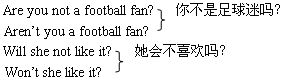
 Yes, I am. 是的,我是。
No, I am not. 不,我不是。