It was a normal Monday morning at an assembly(集会)The headmaster was ?? ? ?? the students on important things in life and about?? ? ? ourselves to what is important to usThis is?? ? ? the story went: An old man lived in a certain part of LondonHe would wake up every morning and go to the?? ? ?? and would get the train right to Central Londonand then sit at the street corner and beg

He did this every single?? ? ? for almost 20 yearsHis house was dirty and a stench(恶臭) came out of the house and it smelled horriblyThe neighbors could not stand the?? ? ? any-moreso they asked the police officers to clear the placeThe officers?? ? ?? the door and cleaned the houseThere were small bags of?? ? ? all over the house that he had collected over the yearsThe police ?? ? ?? the moneyand soon realized that the old man was a(n)?? ? ? They waited outsideexpecting to share the good news with him

When he arrived home that eveninghe was?? ? ? by one of the officers who told him that

there was no need for him to beg any more ?? ? ?? he was a rich man now. He said?? ? ?? ,went into his house and locked the doorThe next morning he woke up ?? ? ?? ,went to the subway, got into the trainand sat at the street comer and?? ? ?? to beg.

?? ? ?? , this old man had no great plansdreams or anything?? ? ?? for his lifeWe learn nothing from this story?? ? ?? staying focused on the things we enjoy doingcommitment. We should remain ?? ? ?? to our course. Just keep it in mind that commitment ?? ? ?? wealth

1.Ascolding???????? Bconsulting????????? Caddressing?????? Dadvising

2.Aexposing??????? Bcommitting???????? Ccomparing?????? Dconnecting

3.Ahow??????????? Bwhy?????????????? Cwhere?????????? Dwhen

4.Amarket????????? Boffice????????????? Csubway????????? Dshelter

5.Ahour??????????? Bday??????????????? Cweek??????????? Dmonth

6.Asmell?????????? Bhouse?????????????? Cman?????????? Dpolice

7.Aknocked at?????? Bknocked over??????? Cbroke up???????? Dbroke into

8.Amoney????????? Bwaste?????????????? Cfood??????????? Dfish

9.Akept??????????? Btook??????????????? Ccounted???????? Dpresented

10.Abeggar????????? Bthief??????????????? Cofficer????????? Dmillionaire

11.Acaught????????? Bmet??????????????? Cwarned????????? Dquestioned

12.Athough????????? Bunless????????????? Cuntil??????????? Das

13.Anothing????????? Banything?????????? Csomething??????? Deverything

14.Aas well????????? Bas early???????????? Cas usual???????? Das much

15.Adetermined?????? Bcontinued?????????? Cmanaged??????? Dhesitated

16.AEventually?????? BFortunately????????? CGenerally?????? DObviously

17.Aprecious???????? Bcomplex??????????? Cavailable??????? Dsignificant

18.Arather than?????? Bother than?????????? Cmore than?????? Dless than

19.Ahonest????????? Bopen?????????????? Ctrue??????????? Dequal

20.Aattracts???????? Bkeeps?????????????? Closes?????????? Dpossesses


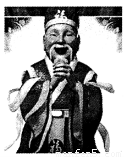
The kindly“Chinese Fortune Grandpa”wearing? Han Chineseclothing and holding a fortune bag debuted (亮相) at the Imperial Ancestral Shrine in Beijing on the day after ChristmasThe final imageof the Chinese gift-giver was selected through a global design competitionagainst“Santa Claus”according to a report by Guangming Daily

Many Chinese cities have been filled with Christmas neon lightsChristmas songsChristmas treesand the images of“Santa Claus”in recent daysAs a matter of factforeign festivals are becoming more popular than certain traditional Chinese festivals among the Chinese peopleparticularly the youth.“Certain traditional festivals have died out because people have forgotten their spiritual meanings”said noted writer Feng JicaiMore and more Chinese people are beginning to exchange gifts on Valentine's Day and ChristmasHowevermany of them know nothing about Chinese New Year pictures or sugarcoated figurines(小糖人)and have never heard suona musicCertain folk customs on the Dragon Boat FestivalTomb Sweeping Dayand other traditional festivals have gradually disappearedUnder such circum-stanceseven the“Chinese Fortune Grandpa”is unlikely to defeat“Santa Claus”

Howeverit is not a bad thing to some extentIt constantly reminds people to restore the“true

face”of traditional festivalsChina has listed traditional Tomb Sweeping DayDragon Boat Festival and Mid-Autumn Festival as legal holidayswhich brings more paid leaves to the publicand helps to awake the public awareness of traditional festivals

In modern societyfestival is a carrier of culture and its meaning largelydepends on their understandings and usages by peopleCompared with foreign festivalstraditional Chinese festivals are not inferior (次于) in cultural meaningsbut lack of fashion sought by modern peopleIf people do not appreciate the historical culture contained by traditional festivalsand only take pleasure-seeking as the most importantthe significance of traditional festivals will fade away and the inheritance (继承) of fine traditional culture will be cut off

1.The second paragraph implies that______________________.

Atraditional festivals should co-exist with foreign festivals

Ball the Chinese festivals are disappearing in the near future

Cwestern festivals are constantly impacting on our festivals

Dthe Chinese people have the public awareness of traditional festivals

2.We can learn from the passage that______________.

Aan image designed by the Chinese people will be displayed

Bmany foreigners know nothing about Chinese festivals

Cthe Chinese gift-giver was intended to symbolize traditional culture

Dthe Chinese are beginning to exchange gifts on the Mid-Autumn Festival

3.Many Chinese youth dislike traditional festivals because they think______________.

Atraditional festivals are out of fashion now

Bthe historical culture is more difficult to understand

Cwestern festivals contain more cultural meanings

Dthe inheritance will cut off their contact with western festivals

4.What would be the best title of the passage?

AGone are Chinese Traditional Festivals

BTrue Face of Chinese Traditional Culture

CForeign Festivals Popular with Chinese

DChinese Fortune Grandpa VSSanta Claus


This year the selfie earned its place as the Oxford English Dictionary’s 2013 Word Of The YearIt has taken over our culture-and our smartphonesThe rise of the selfie has become universal-between presidentscelebrities(名人)and citizens alike-and the trend is only continuing to grow.

A recent survey conducted by the Pew InternetAmerican Life Project found that 54 percent of Internet have posted original photos onlineAnd of those hundreds of millions of photosmany are of selfie photos

For examplecurrently there are nearly 62 million posted selfie

photos on Instagramthe social media tool that has? significantly contributed to the personal photo’s popularityThat figurewhich continues to rise every day, does not even begin to include the selfies shared? on Facebook and Twitter.

What makes the selfie so attractive-and why do we feel it a must to take one? According to DrPamela Rutledgepsychologist and director of the Media Psychology Research Centerthe desire to takepost and get“likes” on selfies goes back to a biological behavior of all humans

“ I think it influences our sense of social connection in the same way as it does when you go

to a party and people say‘Oh I love your dress’” Rutledge told The Huffington Post.“Biologicalsocial recognition is a real need and there is even an area of the brain that contributes to social activity

There is a way to adapt to the growing selfie cultureWhether you’re a selfie novice or an advanced posterthere are always things to be mindful of when you’re postingRutledge advises.

She offered two main principles to follow when it comes to posting on social media:

1The Grandmother Rule

“Don't post anything onlinewhether text or visualthat you don't want grandmother or future

employer to see” Rutledge said“Selfies especially

2The Elevator Rule

“You wouldn’t say something in an elevator that you or no one else wants to hear—the whole

world of social media is an elevator” Rutledge said“Be aware of the breadth of platformIt's easy to think you’re sharing a photo with a few peoplebut Instagram is public and people can come across things”???

1.What's the main idea of the first paragraph?

AThe selfie is taking the lead.???

BMany people are fond of smartphones

CThe selfie will take over everything

DThe selfie is an important new word

2.According to the passagepeople like“selfie”so muchbecause they___________.

Aneed to be acknowledged in social life

Bwant to show off their new dresses

Cdesire to share good things

Dmean to amuse the public

3.The underlined word“novice”in Paragraph 6 probably means“___________”.

Apublisher??? Bgreenhand??? Cnovelist???? Dcelebrity

4.When it comes to posting on social mediaRutledge advises people to___________.

Ashare photos only on Instagram

Btalk about their photos in an elevator

Cbe cautious in posting things online

Dfollow rules set by their grandmothers


 0  54680  54688  54694  54698  54704  54706  54710  54716  54718  54724  54730  54734  54736  54740  54746  54748  54754  54758  54760  54764  54766  54770  54772  54774  54775  54776  54778  54779  54780  54782  54784  54788  54790  54794  54796  54800  54806  54808  54814  54818  54820  54824  54830  54836  54838  54844  54848  54850  54856  54860  54866  54874  151629 
违法和不良信息举报电话:027-86699610 举报邮箱:58377363@163.com

精英家教网