ÌâÄ¿ÄÚÈÝ

¡¾ÌâÄ¿¡¿¼Ù¶¨Ó¢Óï¿ÎÉÏÀÏʦҪÇóͬ×ÀÖ®¼ä½»»»ÐÞ¸Ä×÷ÎÄ£¬ÇëÄãÐÞ¸ÄÄãͬ×ÀдµÄ×÷ÎÄ¡£ÎÄÖй²ÓÐ10´¦ÓïÑÔ´íÎó£¬Ã¿¾äÖÐ×î¶àÓÐÁ½´¦£¬Ã¿´¦´íÎó½öÉæ¼°Ò»¸öµ¥´ÊµÄÔö¼Ó¡¢É¾³ý»òÐ޸ġ£

Ôö¼Ó£ºÔÚȱ´Ê´¦¼ÓÒ»¸ö©×Ö·ûºÅ£¨/\£©£¬²¢ÔÚÆäÏÂÃæÐ´³ö¸Ã¼ÓµÄ´Ê¡£

ɾ³ý£º°Ñ¶àÓàµÄ´ÊÓÃбÏߣ¨\£©»®µô¡£

Ð޸ģºÔÚ´íµÄ´ÊÏ»®Ò»ºáÏߣ¬²¢ÔڸôÊÏÂÃæÐ´³öÐ޸ĺóµÄ´Ê¡£

×¢Ò⣺1. ÿ´¦´íÎó¼°ÆäÐ޸ľùÏÞÒ»´Ê¡£

2. Ö»ÔÊÐíÐÞ¸Ä10´¦£¬¶àÕߣ¨´ÓµÚ11´¦Æð£©²»¼Æ·Ö¡£

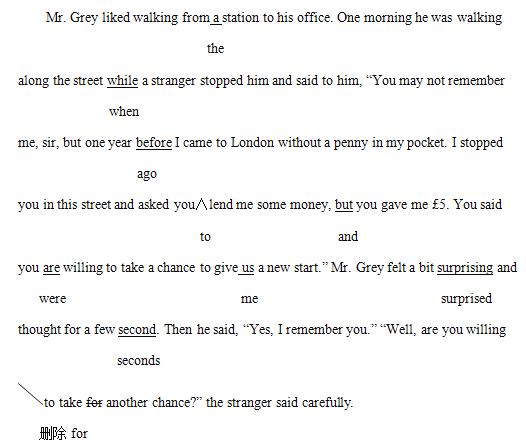
Mr. Grey liked walking from a station to his office. One morning he was walking along the street while a stranger stopped him and said to him, ¡°You may not remember me, sir, but one year before I came to London without a penny in my pocket. I stopped you in this street and asked you lend me some money, but you gave me 5. You said you are willing to take a chance to give us a new start.¡± Mr. Grey felt a bit surprising and thought for a few second. Then he said, ¡°Yes, I remember you.¡± ¡°Well, are you willing to take for another chance?¡± The stranger said carefully.

¡¾´ð°¸¡¿

¡¾½âÎö¡¿´Ë´¦±íʾMr Grey ´Ó³µÕ¾×ßµ½°ì¹«ÊÒ¡£±íÊ¾ÌØ¶¨µÄ³µÕ¾£¬ËùÒÔÓÃthe¡£

Be doing¡­ when¿¼²é¹Ì¶¨¶ÌÓÒâΪÕýÔÚ×ö¡£¡£¡£¾ÍÔÚ´Ëʱ¡£

´Ë´¦±íʾһÄêÒÔǰÎÒÉíÎÞ·ÖÎÄÀ´µ½Â×¶Ø¡£Ò»ÄêǰÓÃone year ago ²»ÓÃbefore¡£

´Ë´¦±íʾÎÒÒªÇóÄã½è¸øÎÒÇ®¡£Ask sb to do

´Ë´¦±íʾÎÒÒªÇóÄã½è¸øÎÒÇ®£¬Äã¸øÁËÎÒ5Ó¢°÷£¬Ç°ºóÊDz¢ÁйØÏµ£¬²»ÊÇתÕÛ¹ØÏµ¡£

´Ë´¦¿¼²éʱ̬£¬Ç°ºóʱ̬һÖ£¬ËùÒÔ´Ó¾äÓùýȥʽwere willing to do

¿¼²é´ú´Ê£¬´Ë´¦±íʾ¸øÎÒÒ»¸öеĿªÊ¼£¬ËùÒÔÓÃme ²»ÓÃus¡£

¿¼²éÐÎÈÝ´Ê¡£´Ë´¦±íʾMr Grey¸Ðµ½³Ô¾ª¡£¸Ðµ½³Ô¾ªÓÃsurprised

¿¼²éÃû´Êµ¥¸´Êý¡£´Ë´¦±íʾÏëÁ˺ü¸Ã룬second ¿ÉÊýÒª¼Ós¡£

¿¼²é¶¯´ÊµÄÓ÷¨¡£´Ë´¦±íʾץס»ú»á£¬take another chance ²»¼Ófor¡£

Á·Ï°²áϵÁдð°¸
Ïà¹ØÌâÄ¿

¡¾ÌâÄ¿¡¿¼Ù¶¨Ó¢Óï¿ÎÉÏÀÏʦҪÇóͬ×ÀÖ®¼ä½»»»ÐÞ¸Ä×÷ÎÄ£¬ÇëÄãÐÞ¸ÄÄãͬ×ÀдµÄÒÔÏÂ×÷ÎÄ¡£ÎÄÖй²ÓÐ10´¦ÓïÑÔ´íÎó£¬Ã¿¾äÖÐ×î¶àÓÐÁ½´¦¡£Ã¿´¦´íÎó½öÉæ¼°Ò»¸öµ¥´ÊµÄÔö¼Ó¡¢É¾³ý»òÐ޸ġ£

Ôö¼Ó£ºÔÚȱ´Ê´¦¼ÓÒ»¸ö©×Ö·ûºÅ£¨¡Ä£©£¬²¢ÔÚÆäÏÂÃæÐ´³ö¸Ã¼ÓµÄ´Ê¡£

ɾ³ý£º°Ñ¶àÓàµÄ´ÊÓÃбÏߣ¨\£©»®µô¡£

Ð޸ģºÔÚ´í´ÊÏ»®Ò»ºáÏߣ¬²¢ÔڸôÊÏÂÃæÐ´³öÐ޸ĺóµÄ´Ê¡£

×¢Ò⣺1. ÿ´¦´íÎó¼°ÆäÐ޸ľù½öÏÞÒ»´Ê£»

2. Ö»ÔÊÐíÐÞ¸Ä10´¦£¬¶àÕߣ¨´ÓµÚ11´¦Æð£©²»¼Æ·Ö¡£

Guizhou is a mountainous province knowing as a place of natural beauty, and attracts hundred of millions of tourists every year. I took a week-long trip to there last month. On the first day, I visited the Huangguoshu Waterfall, popular tourist attraction in the city of Anshun. With the water rolls down, I could even feel the ground shaking. Besides the amazing scenery, which tourists shouldn¡¯t miss is the colorful culture. Therefore, I took the chance to explore Southeast Guizhou. I met the friendly Miao people and Dong people, tried their unique spicy food and saw their simply lifestyle. The word ¡°Gui8¡± meant ¡°precious or expensive¡± in Chinese culture, and Guizhou is actually one of the poorest provinces in China. Luckily, tourism is now playing a big part to help with its develop.

¡¾ÌâÄ¿¡¿ÔĶÁÀí½â¡£

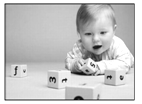
Babies don't learn to talk just from hearing sounds. They are lipreaders too. It happens during the stage when a baby's babbling (ßÞѽÉù) gradually changes from unclear voices into that first ¡°mama¡± or ¡°dada¡±. The baby in order to do like you has to figure out how to shape their lips to make that particular sound they are hearing, according to developmental psychologist David Lewkowicz of Florida Atlantic University, who led the study.

Apparently it doesn't take them too long to absorb the movements that match basic sounds. By their first birthdays, babies start changing back to look you in the eye again. It offers more evidence that quality facetime with babies is very important for speech development more than, say, turning on the latest baby DVD.

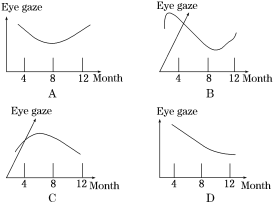
But Lewkowicz went a step further. He and his student Amy HansenTift tested nearly 180 babies, groups of them at ages 4,6,8,10 and 12 months. How? They showed videos of a woman speaking in English or Spanish to babies of English speakers. They found that when the speaker used English, the 4montholds gazed mostly into her eyes. The 6montholds spent equal amounts of time looking at the eyes and the mouth. The 8and 10montholds studied mostly the mouth. At 12 months, attention started changing back toward the speaker's eyes.

But what happened when these babies accustomed to English heard Spanish? The 12montholds studied the mouth longer, just like younger babies. They needed the extra information to recognize the unfamiliar sounds. That fits with research into bilingualism (Ë«Óï) that shows babies' brains adjust themselves to distinguishing the sounds of their native language over other languages in the first year of life.

The continued lipreading shows the 1yearolds clearly still are fit for learning. Babies are so hard to study that this is ¡°a fairly heroic data set¡±£¬ says Duke University cognitive neuroscientist Greg Appelbaum, who found the research so fascinating that he wants to know more.

¡¾1¡¿According to the first paragraph, babies________.

A£®might get its voice ¡°mama¡± by lipreading

B£®learn to talk just from hearing the sounds

C£®like to figure out how to shape their lips

D£®communicate with parents through gestures

¡¾2¡¿What is necessary in developing babies' speech according to Lewkowicz?

A£®Playing baby DVD nearby.

B£®Teaching babies to read English.

C£®Speaking with babies face to face.

D£®Speaking different languages in front of babies.

¡¾3¡¿Which of the following shows the right change of babies' eye gaze according to the text?

¡¾4¡¿What would be the best title of the text?

A£®Babies Have Different Methods to Talk

B£®Babies Try Lipreading in Learning to Talk

C£®Babies Are Suitable to Learn Two Languages

D£®Babies Can Easily Accept Foreign Language

¡¾ÌâÄ¿¡¿A new study has looked into whether social media makes users feel lonelier or if lonely people tend to turn toward social media more. It asked the question: Is it social media or social isolation(¸ôÀë)?

¡° The social media craze (¿ñÈÈ)has helped some people but hurt some others in my opinion, ¡± development psychologist(ÐÄÀíѧ¼Ò) Stephanie Marcy with Children¡¯s Hospital Los Angeles said.

Marcy was not surprised to learn that the more time young people spend on Facebook, Instagram, Twitter and other apps, the more they feel lonely. ¡°Some people who are otherwise social beings are now relying too much on their screens and their iPads and their telephones and social media, ¡± Marcy explained. Experts said users can have thousands of followers, but that doesn¡¯t mean they have somebody to call when they need a friend. ¡°It¡¯s sort of a false representation of having social connection. There are many people that have thousands of virtual(ÐéÄâµÄ) friends but don¡¯t really have somebody to watch a movie with. That¡¯s really quite sad as a social media leading to fewer friends, actually. ¡± Marcy said.

While the negative(¸ºÃæµÄ) influences of social media are often talked about, Marcy said it has helped some people£¬including those with anxiety, autism(×Ô±ÕÖ¢) and physical limitations. ¡°There needs to be a balance no matter what it is and with social media that completely applies, ¡± Marcy said.

The study doesn¡¯t show whether people who are isolated are more likely to go online or whether seeing the pages of others makes people feel more disheartened.

¡¾1¡¿What is Paragraph 3 mainly concerned with?

A. Young people lack real friends.

B. The bad effects of social media.

C. Social media are everywhere nowadays.

D. A new kind of connection among people.

¡¾2¡¿What does Marcy say about social media?

A. It is two-sided.

B. It needs limiting.

C. It does more harm than good.

D. It is important to young people.

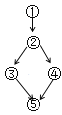
¡¾3¡¿Which of the following shows the structure of the text?

(¢Ù= Paragraph 1 ¢Ú=Paragraph 2¡­)

A. B.

C. D.

Î¥·¨ºÍ²»Á¼ÐÅÏ¢¾Ù±¨µç»°£º027-86699610 ¾Ù±¨ÓÊÏ䣺58377363@163.com

¾«Ó¢¼Ò½ÌÍø