题目内容

【题目】We had to finish the work .So we decided _____.

A. to go out B. not to go out

C. to not go out D. not going out

【答案】B

【解析】试题分析:句意:我们不得不完成那工作。因此我们决定不出去了。此题考查不定式的否定,在to前面直接加not。根据句意,应选B

练习册系列答案
相关题目

【题目】

The Guardian

‘They are leading us to catastrophe’: Sweden's coronavirus stoicism begins to jar

There's a surreal calm in the last country in Europe to hold out against lockdown. But the death toll is rising and some are voicing dissent.

16 hours ago

CNBC

Coronavirus updates: USNS Comfort's arrival draws crowds, nearly half of all companies considering layoffs

The total number of coronavirus infection cases globally reached 766300, according to data compiled by Johns Hopkins University.

23 hours ago

BBC News

Could the Swedish lifestyle help fght coronavirus?

Swedes are used to living alone, following rules and championing innovation. How much will these social norms help during the coronavirus…

2 days ago

华尔街日报中文网

Inside Sweden's Radically Different Approach to the Coronavirus

The next two weeks will determine whether Sweden's more laissez-faire approach can succeed or if authorities bend to the reality of a rash of…

14 hours ago

1All the pieces of news were about .

A.USNS ComfortB.healthy lifestyleC.beautiful picturesD.Coronavirus

2Which news agency posted their news first?

A.WSJ.B.BBC News.C.CNBC.D.The Guardian.

3What country was mentioned by most of the above news?

A.Sweden.B.Denmark.C.Norway.D.USA.

4From the news, we can know that .

A.China has already defeated the virus

B.Johns Hopkins University is in Europe

C.the outbreak is getting worse in the world

D.humans will win the war in the next two weeks

5Which of the following is NOT true?

A.Swedes are used to living alone.

B.Sweden has refused to lockdown the country.

C.Denmark and Norway have closed their borders.

D.All companies have decided to fire their workers.

【题目】 We talked with June Galloway about her book Get off on the Right Foot: Don’t Let the Wrong Gesture Ruin (毁坏) Your Day.

English is the world’s international language. But in your book, non-verbal (不用语言的) communication is paid more attention to.

June: Well, gestures (手势) and other body language can have different meanings in different places. Something that you think is friendly or polite could be considered to be very impolite in another culture. I’ve described many of these customs and cultural differences, so my readers won’t have a bad start when they meet people from places where the culture is different from their own.

Can greeting someone the wrong way really lead to misunderstanding (误解)?

June: In some places, yes. The heavy handshake that a North American expects may seem quite impolite in other places. And a light handshake―which is usual in some countries—may seem unfriendly to a North American.

What other gestures can cause misunderstanding?

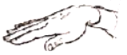
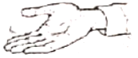
June: Take the gesture for “come here” for example. In North America, people gesture with the palm (掌心) up. Well, in southern Europe, that gesture means “goodbye”. And in many Asian countries, the palm-up gesture is thought rude. Instead, people there gesture with the palm down.

Surely, there must be some gestures used everywhere, right? What about the thumb-up (翘拇指) gesture for “great”?

June: Sorry. That’s very rude in Australia and the Middle East. That is why it important to know about body language and cultural differences.

1Which gesture should you use if you want to say “goodbye”.in southern Europe?

A.B.

C.D.

2According to the passage, ________ is/are NOT mentioned in June’s book.

A.the importance of body language.B.some common gestures

C.the development of body languageD.different meanings of a gesture

3Which of the following can be put in the ?

A.How is that possible?B.Could it make readers interested?

C.Can you give us some examples?D.why is that so important?

4What can we infer (推断) from the passage?

A.June paid more attention to the language of English in her book.

B.A girl from Australia may be angry with you if you praise her by using the thumb-up gesture.

C.Body language is the world’s international language.

D.In many Asian countries, the palm-up gesture is thought rude.

违法和不良信息举报电话:027-86699610 举报邮箱:58377363@163.com

精英家教网