题目内容
【题目】阅读下面短文内容,然后根据短文内容完成表格,每空一词。
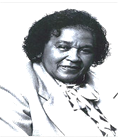
Mayme Clayton collected books, magazines and letters written by African Americans. Her son, Avery Clayton, thought her collection was important. Unlike most books, these were rare and hard to find. They were written by writers who helped shape African American culture.
One book in the collection was written by Phillis Wheatley. Wheatley was a slave who wrote poetry. She was the first African American to publish a book. Wheatley herself signed (签名) the book in the Claytons’ collection. No one else owns a copy signed by Phillis Wheatley.
By the time she passed away at age 83, Mrs. Clayton had more than 30,000 books by or about black people. Her collection also includes papers about slaves, photographs, movies, sheet music, and personal letters by black leaders and artists. It is one of the biggest personal collections of African American history and culture in the United States.
Avery Clayton’s dream was to create a museum for his mother’s treasures. Scholars say that Mrs. Clayton’s collection is very important. Without her work, part of African American heritage (遗产) would have been lost. “We didn’t know these things existed,” says Sara Hadron of California’s Huntington Library.
The collections new home is likely to be in Culver City, California. Part of Avery Clayton’s dream is to share the cultural riches his mother collected with others. He especially wants children to have a chance to see the collection. “ At preent African American culture is being explained by pop culture,” he says, “ It’s important to offer a more complete picture.”
Mayme Clayton and Her Collection | |
Personal information | ● She liked 【1】 books, magazines and letters written by African Americans. ●She 【2】 when she was 83years old. |
Her collection | ● Compared with other books, the books she collected couldn’t be found 【3】 . ● The only copy 【4】 and signed by Phillis Wheatley was in her collection. ● She had a large collection , 【5】 books, paper, photographs and other things by black leaders and artists. ● Her collections is 【6】 to African American history and culture. |
Her 【7】 dream | ● A 【8】 for the treasure would be created. ● He hopes to 【9】 the culture riches collected by his mother with more people, especially 【10】 . |
【答案】
【1】collecting
【2】died
【3】easily
【4】written
【5】including
【6】important
【7】son’s
【8】museum
【9】share
【10】children
【解析】
试题分析:文章大意:梅米克莱顿搜集了很多非裔美国人写的书杂志和信件.她收集的这些书,报纸,图片,电影,乐谱及黑人领袖和艺术家的个人信件是稀有的.
很难找到,而且非常重要.克莱顿太太去世后,她的儿子想为这些收集品建一座博物馆,他想与其他人分享这些东西
【1】考查非谓语动词. 根据 Mayme Clayton collected books,magazines and letters written by African Americans.可知,“梅米克莱顿喜欢搜集非裔美国人写的书杂志和信件”,like doig sth.喜欢做某事,故答案为:collecting。
【2】考查过去式.根据By the time she passed away at age 83,Mrs.Clayton had more than 30,000 books by or about black people可知,“她是在83岁时去世的”,故答案为:died。
【3】考查副词.根据Unlike most books,these were rare and hard to find.可知,“与其他大部分书相比,这些书是稀有的,很难找到,不容易找到”,此处修饰动词found,用副词,故答案为:easily。
【4】考查过去分词.根据Wheatley herself signed (签名) the book in the Claytons’collection.No one else owns a copy signed by Phillis Wheatley.可知,“这是唯一一本由Phillis Wheatley自己签名的书”,故答案为:written。
【5】考查介词.根据Her collection also includes papers about slaves,photographs,movies,sheet music,and personal letters by black leaders and artists可知,“她的收集包括关于奴隶的报纸,图片,电影,乐谱和黑人领袖和艺术家的个人信件”,此处作定语修饰名词collection,故用介词短语,故答案为:including。
【6】考查形容词.根据 Scholars say that Mrs.Clayton’s collection is very important可知,“克莱顿太太的收集很重要”,Be very important=“be“of great importance,此处为名词,故答案为:important。
【7】考查名词所有格.根据 Her son,Avery Clayton可知,“Avery Clayton是克莱顿太太的儿子,故是她的儿子的梦想”,用名词所有格,故答案为:son’s。
【8】考查名词.根据Avery Clayton’s dream was to create a museum for his mother’s treasures可知,“将为这些收集建一座博物馆”,故答案为:museum.
【9】考查动词用法.根据Part of Avery Clayton’s dream is to share the cultural riches his mother collected with others可知,“Avery Clayton想和其他人分享他母亲的收集”,动词不定式后跟动原,故答案为:share.
【10】考查名词复数.根据He especially wants kids to have a chance to see the collection可知,“他尤其想让孩子有机会看看这些收集”,故答案为:children.

 阅读快车系列答案
【题目】

Music has always been an important part of Chinese people’s life. People enjoy listening to music at home and in concerts halls. As time goes by, music changes.
Traditional music is part of our culture, so it often stays with us for a long time. Many of the traditional Chinese songs have been around for many years. Young musicians learn songs from older musicians and the music changes only very little. Modern Chinese music, which is loved by many young people, however, is mainly pop music. That means the songs will be popular for a short time and then replaced by new songs. Today’s musicians write new songs every year and we hear new songs on the radio every day.
Before radio and TV were invented, music could only be heard live — that is you had to go places where musicians gave performances. The best musicians were very busy, so it was difficult and often expensive to hear really good music. For most people, the best chance to hear good music was during a festival or at a wedding. Today, people hear music all the time. Radio and TV play songs every day and night and you can even hear music played on the street.
One thing that hasn’t changed very much is what the songs are about. Both modern and traditional Chinese songs are about love and life. Some songs tell stories about past and some are about the news or the future.
Music, traditional or modern, Chinese or international, seems to be a world language that everybody can understand and enjoy. Music changes and styles come and go, but nothing changes our love for good music.
Music changes as【1】goes by
Passage Outline | Supporting details |
The changes of different kinds of music | Traditional music【2】nearly the same because it is part of the culture. 【3】music changes a lot because it is welcomed only for a short time and new songs soon takes its【4】 . |
The changes of【5】of enjoying music | Before radio and TV were invented, music could only be heard live in a【6】or during a festival or at a wedding. Today, people hear music all the time on Radio and TV and can even hear someone【7】music on the street. |
The changes of contents of music | They haven’t changed much because they are about【8】 and life. |
Conclusion | Music is a worl language. 【9】 music changes and styles come and go, our love for good music【10】changes. |