题目内容
20.①-I beg your pardon,sir?②-I want some medicine for my mother.
③-For your mother?( )
| A. | ①升调②降调③升调 | B. | ①降调②升调③降调 | C. | ①降调②降调③降调 | D. | ①降调②降调③升调 |
分析 ①-先生,请您再说一遍好吗?
②我想要一些药给我妈妈.
③给你的妈妈?
解答 答案:A
①表示你没听清对方的讲话,希望对方重复一下,同时这也是一个问句,表示请求,所以I beg your pardon,sir?应读升调;②为陈述句,所以应该读降调;③为疑问句,所以应该读升调;综上所述,故选A
点评 此题要对英语的基本语调规则有一定的了解,结合句子的具体特点选择正确的语调.

练习册系列答案
 阳光试卷单元测试卷系列答案
相关题目
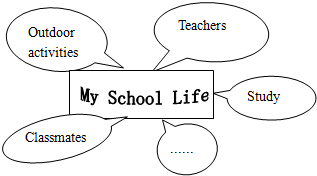 假如你是Ben,在初一年四班.请根据下列提示,请以My school life.为题写一篇英语短文,介绍自己的学校生活.
11.I always believe that ______ is difficult if we try our best to do it.( )
| A. | something | B. | anything | C. | everything | D. | nothing |
5.It's very common to ask for information or help,especially when we visit a (46)D country.So how to ask for information (47)B is important.In English,"Where are the restrooms?"and"Could you please tell me where the restrooms are?"are similar requests-both are correct English,but (48)A could sound rude.Using correct language is important,but sometimes this(49)C is not enough-we need to learn how to be polite when we (50)B requests.
In English,just like in Chinese,we change the way we speak when (51)D with different people.The expressions you use might depend on (52)D you are speaking to or how (53)B you know them.If you say to your teacher,"Where is my book?"this will sound rude.But if you say,"Excuse me,Mr.West.Do you know where my book is?"your question will sound (54)C.On the other hand,it might be alright to say"Where is my book?"(55)Csome situations,perhaps with people you know well.
And you would not usually say,"Peter,lend me your pen."A very direct (56)B like this can sound rude in English.Usually in English polite questions are (57)Aand include extra language such as"Could you please…?"or"Can I ask…?"(58)Dsounds more polite to say,"Peter,could you please lend me your pen?"Sometimes we might even need to spend some time (59)C in to a question or request.
It might seem that speaking politely is more difficult than being direct,and in a way this may be true.However,(60)B offend people,learning about language etiquette is just as important as learning grammar or vocabulary.And doing this also helps you become better at English.
In English,just like in Chinese,we change the way we speak when (51)D with different people.The expressions you use might depend on (52)D you are speaking to or how (53)B you know them.If you say to your teacher,"Where is my book?"this will sound rude.But if you say,"Excuse me,Mr.West.Do you know where my book is?"your question will sound (54)C.On the other hand,it might be alright to say"Where is my book?"(55)Csome situations,perhaps with people you know well.
And you would not usually say,"Peter,lend me your pen."A very direct (56)B like this can sound rude in English.Usually in English polite questions are (57)Aand include extra language such as"Could you please…?"or"Can I ask…?"(58)Dsounds more polite to say,"Peter,could you please lend me your pen?"Sometimes we might even need to spend some time (59)C in to a question or request.
It might seem that speaking politely is more difficult than being direct,and in a way this may be true.However,(60)B offend people,learning about language etiquette is just as important as learning grammar or vocabulary.And doing this also helps you become better at English.
| 46.A.large | B.small | C.old | D.foreign |
| 47.A.polite | B.politely | C.right | D.directly |
| 48.A.the first | B.the second | C.both | D.all |
| 49.A.lonely | B.Only | C.alone | D.along |
| 50.A.ask | B.make | C.say | D.tell |
| 51.A.talk | B.talks | C.to talk | D.talking |
| 52.A.who | B.which | C.what | D.whom |
| 53.A.good | B.well | C.many | D.long |
| 54.A.more politer | B.much politer | C.much more polite | D.much polite |
| 55.A.on | B.at | C.in | D.of |
| 56.A.answer | B.order | C.question | D.sentence |
| 57.A.longer | B.shorter | C.smaller | D.bigger |
| 58.A.That | B.This | C.What | D.It |
| 59.A.lead | B.to lead | C.leading | D.leads |
| 60.A.in order to | B.in order not to | C.in order to not | D.in order don't |
12.Each of us makes mistakes from time to time.In fact,we can(1)Ca lot from our mistakes.
Donnie was a(2)Bstudent and never answered questions in class.He was(3)Dto make mistakes.He never finished his homework(4)Ahe didn't want to make any mistakes.But something changed(5)CMarry Anne,a teacher,came to our(6)B.
One morning,Marry Anne asked Donnie to (7)A some questions.After a while Donnie was crying because he made a mistake.(8)A Marry Anne got a box full of erasers from the desk.
"Look,Donnie,"she said standing(9)Chim."I've got something to show you."She(10)Cthe erasers,one at a time,and put them on the desk.
"See these erasers,Donnie?"she continued."Do you know(11)Dthe erasers become smaller and smaller?That's because we make mistakes.But we erase (擦掉) the mistakes and try(12)B.That's what you must learn."
"Here,"she said,"I'll(13)Cone eraser to you,so you will remember that(14)Dmay make mistakes."Donnie looked at Marry Anne and smiled.
Donnie(15)Aa lot from then on.He knew that everyone may make mistakes as long as (只要) you learned them and tried again.
Donnie was a(2)Bstudent and never answered questions in class.He was(3)Dto make mistakes.He never finished his homework(4)Ahe didn't want to make any mistakes.But something changed(5)CMarry Anne,a teacher,came to our(6)B.
One morning,Marry Anne asked Donnie to (7)A some questions.After a while Donnie was crying because he made a mistake.(8)A Marry Anne got a box full of erasers from the desk.
"Look,Donnie,"she said standing(9)Chim."I've got something to show you."She(10)Cthe erasers,one at a time,and put them on the desk.
"See these erasers,Donnie?"she continued."Do you know(11)Dthe erasers become smaller and smaller?That's because we make mistakes.But we erase (擦掉) the mistakes and try(12)B.That's what you must learn."
"Here,"she said,"I'll(13)Cone eraser to you,so you will remember that(14)Dmay make mistakes."Donnie looked at Marry Anne and smiled.
Donnie(15)Aa lot from then on.He knew that everyone may make mistakes as long as (只要) you learned them and tried again.
| 1.A.take | B.make | C.get | D.bring |
| 2.A.good | B.shy | C.clever | D.small |
| 3.A.glad | B.excited | C.surprised | D.afraid |
| 4.A.because | B.so | C.if | D.but |
| 5.A.after | B.while | C.until | D.when |
| 6A.row | B.class | C.team | D.classroom |
| 7.A.answer | B.ask | C.give | D.have |
| 8.A.Suddenly | B.Quickly | C.Luckily | D.Carefully |
| 9.A.on | B.with | C.beside | D.to |
| 10.A.put out | B.took away | C.took out | D.took off |
| 11.A.when | B.how | C.what | D.why |
| 12.A.more | B.again | C.another | D.one |
| 13.A.forget | B.carry | C.leave | D.give |
| 14.A.nobody | B.somebody | C.no one | D.everybody |
| 15.A.changed | B.got | C.learned | D.Thought. |
9.Miss Lin has taught us English ______ we came to this school.( )
| A. | for | B. | since | C. | before | D. | when |