题目内容
【题目】 Many people love travelling to different countries, but if you plan to go abroad, you should know how to behave in different situations around the world.

Most travelers enjoy meeting new people, but sometimes you can be rude without saying anything. In Russia, you should never shake hands in a doorway, and if you're travelling in Thailand, never touch people's heads or point your feet at people. When the Japanese meet new people, they like giving business cards-but you should read the card carefully, not just put it in your pocket。

In most countries in Europe people expect a lot of eye contact when you talk to them, but in many Asian countries a lot of eye contact seems unfriendly. And in South America people usually stand quite close to each other when they talk, but in countries like the USA you need to give people more personal space. Also, it's rude to interrupt Japanese people while they are talking to you. You must wait until they finish before you start speaking.
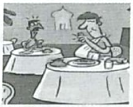
In restaurants in China you can leave a bit of food on your plate, it's OK to start smoking before other people finish eating, which you mustn't do in the UK. When in India, remember to eat with your right hand. Also avoid leaving empty bottles on the dinner table in Russia--that's bad luck.

When you're travelling in Asia, if someone invites you to his or her home, don' t forget to take off your shoes when you arrive. And if you visit an Arab family's home, don't admire anything valuable because your host will feel he should give it to you as a present.
With so much to think about, it's not surprising that many people prefer going on holiday in their own countries- or you might just decide to stay at home.
【1】Which of the following statements is TRUE?
A. We can admire anything valuable in an Arab family's home.
B. In China,people cannot smoke before other people finish eating.
C. In Russia,it's impolite to shake hands with people in a doorway.
【2】What does the underlined word"interrupt"mean in Chinese?
A. 跟随B. 打断C. 附和
【3】What is the correct order of the subheadings( 小标题)from Paragraph 2 to Paragraph 5?
①Eating out ②In the home
③Body language ④Face-to-face communication
A. ②③④①B. ④①②③C. ③④①②
【4】What does the writer want to tell us?
A. Practice makes perfect.
B. Where there is a will, there is a way.
C. When in Rome, do as the Romans do.
【5】What is the best title for the passage?
A. Culture ShockB. Table MannersC. Public Rules
【答案】
【1】C
【2】B
【3】C
【4】C
【5】A
【解析】
这篇短文主要讲述了许多人喜欢到国外旅行,文中讲述了出国前必须了解在不同情境下的言行举止是否得体。
【1】细节理解。根据文中In Russia, you should never shake hands in a doorway,可知,在俄罗斯,在门口和人握手是不礼貌的。选项C的说法是正确的。故选C。
【2】词句猜测。根据下文Japanese people while they are talking to you.可知,日本人和你交谈时,打断他们是不礼貌的。Interrupt的意思是“打断”。故选B。
【3】段落大意。通读第二段可知讲述了身体语言;第三段是面对面交谈;第四段是在外面吃;第五段是在家的时候。根据题意,故选C。
【4】主旨大意。通读整篇短文可知,作者主要是想告诉我们“入乡随俗”的道理。When in Rome, do as the Romans do.谚语“入乡随俗”。故选C。
【5】标题归纳。通读整篇短文主要讲述了在不同国家,要适合不同国家的风俗。也就是“文化的冲击”。故选A。
我们在做阅读理解题时,就要明确初中阅读理解考查的主要内容,在此基础上,快速阅读全文,了解文章大意;在了解文章的基础上,抓住首尾句;认真仔细、逐步答题;平心静气,不急躁,仔细检查,减少误差。严格说来,阅读理解主要要求是:1.掌握阅读主旨大意,用以说明主旨大意的事实和细节;2.既理解具体事实,也理解抽象的概念;3.既理解字面意思,也理解深层含义,包括作者的态度以及意图等。

 习题精选系列答案