
 例2、(1)John bought a
dictionary.
例2、(1)John bought a
dictionary. (2)Now John has a new
dictionary.
(2)Now John has a new
dictionary.
 (3)John has bought a
new dictionary.
(3)John has bought a
new dictionary.
 already just yet→句末
 句中
句中3、表示经验的现在完成时
例:1)肯定句:I have seen the film three times.
2) 否定句:I’ve never seen the film.
3)疑问句:Have you ever been to U.K.?
A→基本用法
表示经验的现在完成时,说明从过去起到现在的经验,即从过去到现在之间曾经经历过或做过的事情。
B→常用的时间状语
Often, ever, before, never, once, twice, times, many times
C→ have/has been的用法
|
形式 |
意义 |
用法 |
|
Have/has been to |
表示“曾经去过……” |
经验 |
|
表示“到 … 去过了…” |
完成 |
|
|
Have/has been in |
表示“曾在……” |
经验 |
|
表示“一直在……” |
继续 |
例:a. have been to
I have been to the summer palace twice.(经验)
I have been to the museum to see the exhibition.(完成)
b. have been in
Have you ever been in America?(经验)
We have been in home for the whole day.(继续)
插曲:be 动词的过去分词
Be动词的过去分词不管主语的人称和数都要用been表示
例:We have been tired these days
区别:I am happy.(一般现在时)
I was happy.(一般过去时)
I have been happy.(现在完成时)
2、表示继续的现在完成时
例:1)肯定句:Li Ming’s elder brother has studied in Beijing university for about three years.
2)否定句:We haven’t seen each other all this month.
3)疑问句:How long have you know your boy friend?
A→基本用法
表示继续意义的现在完成时,说明过去的动作一直延续到现在,也就是说从过去某时开始
的动作、状态一直持续到现在。此时,往往用和现在有关的表示一段时间的时间状语。
例:1)I began to study English three years ago.(过去试)
2)I still study English now.(现在式)
3)I have studied English since three years ago.
|
 图示:
图示:
现在时
▲ 牢记:表继续的动词
have known 已经认识了 have studied 已经学习了
have worked ; have been to; have used ;have taught ;have stayed;
have wanted to; have lived
▲ B→常用的时间状语
表示继续的现在完成时,常和下列时间状语连用
for+时间 since+过去某时 all this week
often today recently all day
up to now 直到现在 so far 到目前为止
lately always till/until now
in the past years
these days
this week
during the past (years、month)
1、概述
|
形式 have/has过去分词 |
用法 |
意义 |
|
继续 |
表示从过去继续到现在的动作或状态 |
|
|
经验 |
表示过去某一是可到现在的经验 |
|
|
完成 |
表示现在刚完成的动作 |
|
|
成果 |
表示现在是“做了……”的结果 |
例:1)继续 He has been sick since last week.
2) 经验 I have visited Tokyo twice.
Have you ever been to Hawaii?
3) 完成 I have just finished my homework.
Has he finished his work yet?
4) 结果 My father has become a lawyer.
I have lost my dictionary.
下面分别阐述其用法
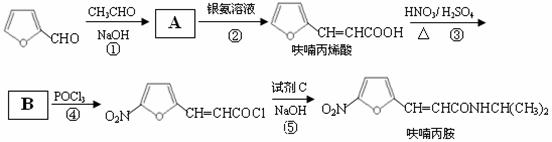 (12分)呋喃丙胺是一种高效麻醉剂,在临床上被广泛使用,也可用于治疗心律失常。由呋喃甲醛合成呋喃丙胺的流程如下:
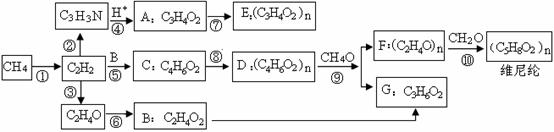 已知:R-CN+2H2O+HCl→R-COOH+NH4Cl