题目内容
【题目】 When you go to St. Petersburg, the number of attractions can seem overwhelming. If you’re short on time, or just want to make sure to hit the highlights, these are the top must-see sights in St. Petersburg.
The Hermitage Museum
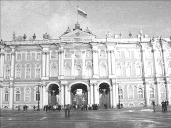
The Hermitage Museum is one of the most important sights to see for any visitor to St. Petersburg. There you can see lots of different paintings of old masters inside the Hermitage. Prepare to come face-to-face with classic Western artists.
The Russian Museum
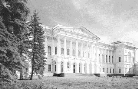
The Russian Museum holds one of the largest collections of Russian art in the world. View Russian art creations through the ages, from Byzantine (拜占庭)-style icons to the Socialist Realism of Stalin’s times.
Kizhi Island
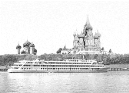
Kizhi Island is an open-air museum of wooden buildings from the Karelia Region of Russia. These impressive structures are made without any nails (钉子) — the wood fits together with joints and grooves (沟槽).
Peterhof
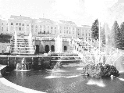
Peterhof is as beautiful as it is fun. You’ll be charged for admission (门票), but go to Peterhof when the fountains (喷泉) are working — during the day in the summer. They are shut off in winter as well as in the evenings.
The Church of Our Savior on Spilled Blood
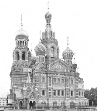
Love it or hate it, the Church of Our Savior on Spilled Blood is an attractive must-see sight. The beautiful look may make your eyes brighten, and the paintings inside the church will make you say “Wow!”
The Bronze Horseman Statue
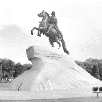
The Bronze Horseman is a part of Russian Culture and a symbol of St. Petersburg. Made famous by Alexander Pushkin (普希金), this statue of Peter the Great sitting on his horse can truly show Peter the Great’s influence on the Russian idea of greatness.
【1】If you’re interested in paintings, you’d better go to _____.
A.the Hermitage Museum and Peterhof
B.the Hermitage Museum and the Church of Our Savior on Spilled Blood
C.Kizhi Island and the Church of Our Savior on Spilled Blood
D.the Russian Museum and Kizhi Island
【2】The man on the Bronze Horse refers to _____.
A.Peter the GreatB.Alexander Pushkin
C.ByzantineD.Stalin
【3】The main purpose of this passage is to _____.
A.show the wonderful history of Russia
B.introduce the famous buildings in Russia
C.persuade artists to study St. Petersburg
D.attract tourists to visit St. Petersburg
【答案】
【1】B
【2】A
【3】D
【解析】
本文为应用文。本文叙述了圣彼得堡观光必去的四个景点特点。
【1】细节理解题。根据The Hermitage Museum部分中“There are lots of different paintings b of old masters inside the Hermitage.”可知在the Hermitage Museum那里你可以看到很多不同的绘画大师的作品。在“the Church of Our Savior on Spilled Blood”中的“The beautiful look may make your eyes brighten, and the paintings inside the church will make you say ‘Wow!’”可知,也能看到美丽的painting。故选B。
【2】推理判断题。根据最后一段“...Made famous by Alexander Pushkin (普希金), this statue of Peter the Great sitting on his horse can truly show Peter the Great’s influence on the Russian idea of greatness.”可知,青铜骑马人是由普希金创造的彼得大帝骑在马上的雕像。由此可知,骑在青铜马上的人是Peter the Great,故选A。
【3】推理判断题。根据第一段“When you go to St. Petersburg, the number of attractions can seem overwhelming. If you’re short on time, or just want to make sure to hit the highlights, these are the top must-see sights in St. Petersburg.”以及下文的四个小标题“The Hermitage Museum”、“The Russian Museum”、“Kizhi Island”和“Peterhof”。可知,当你去圣彼得堡时,景点的数量可能会让人觉得应接不暇。如果你的时间不够,或者只是想确保看到最好的,下面介绍了圣彼得堡最重要的必看4个景点。由此可知,本文是吸引游客去参观圣彼得堡。故选D。
文章主题和中心思想的阐述往往需要大量细节信息的支持,这些细节对于理解全文内容至关重要,同时也是归纳和概括文章中心思想的基础。命题人往往会要求考生根据不同的要求阅读文章,以获得某些特定的信息,或准确地寻求所需的细节,并对细节进行直接或间接辨认和理解。如第1小题属于细节理解题。根据The Hermitage Museum部分中“There are lots of different paintings b of old masters inside the Hermitage.”可知在the Hermitage Museum那里你可以看到很多不同的绘画大师的作品。在“the Church of Our Savior on Spilled Blood”中的“The beautiful look may make your eyes brighten, and the paintings inside the church will make you say ‘Wow!’”可知,也能看到美丽的painting。故选B。这种题要多点归纳,综合事实找答案。细节理解题有时考查的并不是单一的信息,而是多处信息的整合。解答此类“综合”信息细节题时,一定要全面捕捉相关信息,进行综合分析、归纳,切忌根据“一面之词”草率地作出结论。


【题目】 Four teams of mountaineers set out on a race to conquer(征服) an unclimbed mountain peak in the Himalayas. The Canadian team chose a long, but safe route, while the British, Chinese and Russian teams chose a faster but steep and dangerous route up the mountain.
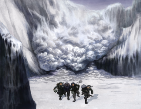
When night fell, the teams made camp on the mountainside. But the next morning, the sun rapidly rose air temperature and the strong wind caused a heavy snowfall, which led to a terrible avalanche. The disaster struck and some members of the British, Chinese and Russian teams were swept away and killed. But the Canadians didn’t know what had happened.
It was an hour after the disaster and there was no hope of finding any survivors. The leaders of the British, Chinese and Russian teams, met to discuss how to successfully keep all the survivors alive.
Britain | Russia | China | |
Members | 3 | 2 | 2 |
Tents | 1 two-man | None | 1 four-man |
Sleeping bags | 3 | 2 | 2 |
Rope | 25 metres | 50 metres | None |
Food | 1 person for 3 days | 2 people for 4 days | 2 people for 2 days |
Medicine | None | None | None |
The table above was a summary of what they could collect. The leaders made a final decision that they had to find a way to conquer the mountain and put their flags on the peak.
【1】What kind of route did the Chinese team choose?
A.A long but safe route.B.A short but dangerous route.
C.A separate but flat route.B.An avalanche.
C.Strong wind.D.A heavy snowfall.
【3】What is the table about in the passage?
A.The supplies and equipment they had left.
B.The plan of their follow up climbs.
C.The survey of their damages and injuries.
D.The difficulties they would meet.
【4】The three leaders decided to__________.
A.give up the raceB.keep climbing
C.ask for helpD.look for the survivors
【5】Where is the passage most probably from?
A.A business newspaper.B.A health guide.
C.A culture magazine.D.A nature journal.