题目内容
任务型阅读。(每小题2分,共8分)
Some time ago, there was an old businessman in Boston who had a large store. He wanted a boy to work for him, and he put an advertisement in the newspapers. The next morning, many boys came to the old man’s office, asking for the job.
There was a post(柱子)by his desk, and there was a nail(钉子)in it. He took a walking—stick and said, “Everyone has three chances. If anyone can hit that nail on the head with this stick for at least twice, I will give him the job.”
The boys thought it was very easy. They all tried, but nobody could make it. So the old man said, “I’m sorry I can’t take any of you,” and they left.
He kept the advertisement in the papers, and the next morning many more boys came, and among them he saw a thin boy who had been there the day before. The boy hit the nail successfully for three times. The old man felt surprised and asked how he did that.
“ Yes,” said the boy, “ I failed yesterday, but I thought that if I kept on trying a while, I could do it. So I went home and practiced hitting a nail with a stick till I could do it, and I got up an hour before breakfast this morning, and tried again.”
The old man said, “ You are the boy for me,” and gave him the job. Whatever the boy had to do, he tried to do his best. It was not very long before he became the best clerk in the store.
1.Did the thin boy get the job at last ?
_________________________________________________
2.What was the old man?
_________________________________________________
3.Where did the boy practice hitting a nail?
_________________________________________________
4.How did the boy do what he had to do?
_________________________________________________

What do you plan to do this spring? Why not join us in a trip?
| Place: Tongnan Activity: Enjoy rape flowers(油菜花) Price: Adults(成人): 120 yuan Children: Free Time: Saturday morning Transportation: Bus Tel: 13672340981 |
| Place: Baishiyi Activity: Pick up strawberries Price: Adults: 80 yuan Children: Half of adult price Time: Sunday morning Transportation: Subway and bus Tel: 13426789107 |
| Place: Gele Mountain Activity: Climb up the mountain Price: 10 yuan each Time: Every day Transportation: On foot Tel: 13356788992 |
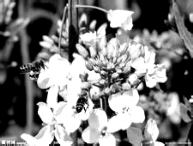

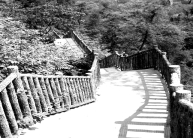
You can choose what you like and call us.
1. If you want to enjoy rape flowers, you can take a ______.
A. bus B. subway C. walk D. train
2. Mrs. White wants to pick up strawberries with her 9-year-old son this Sunday morning. She will pay ______ yuan.
A. 80 B. 120 C. 160 D. 240
3. You can climb Gele Mountain ______.
A. on Saturday morning B. on Sunday morning
C. on Friday afternoon D. every day