题目内容
— The little boy is afraid of _________ out at night.
— Oh, he should be braver.
A. go B. goes C. going
C
【解析】
试题分析:句意:---这个小男孩害怕在晚上出去。----他应该再勇敢点。因为of是个介词,后用动名词;根据句意,故选C。
考点:考查非谓语动词。
考点分析: 考点1:动词时态 时态是一种语法范畴,是用表示各种时间和动作方面的动词形式。 时间有四个主要部分,即现在、过去、将来和过去将来。动作方面也有四种,即一般、完成、进行和完成进行。将这些时间与动作方面组合在一起,即构成16种时态。 (一) 动词是谓语动所表示的动作或情况发生时间的各种形式。英语动词有16种时态,但是常用的只有9种:一般现在时、一般过去时、一般将来时、现在进行时、过去进行时、现在完成时、过去完成时、过去将来时、现在完成进行时。下面分别介绍。 1、 一般现在时的用法 1) 表示经常性、习惯性的动作;表示现在的状态、特征和真理。句中常用 often, usually, every day 等时间状语。 2) 在时间状语从句和条件状语从句中,用一般现在时表示将来。 3) 有时这个时态表示按计划、规定要发生的动作(句中都带有时间状语),但限于少数动词,如:begin, come, leave, go ,arrive, start , stop, return, open, close等。 4) 表示状态和感觉的动词(be, like, hate, think, remember, find, sound 等)常用一般现在进行时。 5) 书报的标题、小说等情节介绍常用一般现在时。 2.一般现在时的用法 1) 表示过去某时间发生的事、存在的状态或过反复发生的动作 2)表示过去经常发生的动作 ,也可用 “used to “ 和“would + 动词原形”。 3.一般将来时的用法 1)一般将来时表示将来的动作或状态。其表达形式除了 “ will 或 shall + 动词原形 ”表示即将发生的或最近打算进行的事。 2)“be to + 动词原形” 表示按计划进行或征求对方意见。 3) “be about to + 动词原形” 表示即将发生的动作,意为 be ready to do sth. 后面一般不跟时间状语。 4) go , come , start, move, sail, leave, arrive ,stay 等可用进行时态表示按计划即将发生的动作。 5) 某些动词(如come, go ,leave, arrive, start, get , stay 等)的一般现在时也可表示将来。 4.现在进行时的用法 1) 现在进行时表示现在正在进行的动作,由“to be + 现在分词” 构成。另外, “系动词 + 介词或副词” 也表示进行时的意义。 2) 表示感觉、愿望和状态的某些动词(如have, be , here, se, like 等 ) 一般不用进行。 5.过去进行时的用法 1) 过去进行时过去某一时刻、某一阶段正进行的动作,由 “ was (were) + 现在分词”构成。 6.现在完成时的用法现在完成时由 “have + 过去分词其使用有两种情况: 1) 现在完成时所表示的动作在说话之前已完成,但对现在有影响。句中没有具体时间状语。 2) 现在完成时所表示的动作开始于过去,持续到现在,也许还会持续下去常用 for 和since表示一段时间的状语或so far , now, today, this wek (month, year ) 等表示包括现在内的状语。 3)现在完成进行时还可用时间和条件状语从句中,表示将来某时完成的动作。 7.过去完成时的用法 1) 过去完成时由“had + 过去分词”构成。过去完成时的动作表示过去某一时刻或某一时刻或某一动作之前完成的动作或状态。 2)过去完成时的动词还可表示过去某一时刻之前发生的动作或状态持续到过去某个时间或持续下去。 8.过去将来时的用法 过去将来时表示从过去的某个时间看来将要发生的动作或存在的状态。 9.现在完成进行时的用法现在完成进行时由 “ have (has)+ been + 现在分词”构成,表示现在以前一直进行的动作。 试题属性- 题型:
- 难度:
- 考核:
- 年级:

 考前必练系列答案
书面表达 (共1题,计20分)
目前中学生早餐问题已经引起社会关注,你所在学校的学生会在5月20日“全国学生营养日”开展问卷调查,其结果令人担忧。请你根据调查结果写一篇短文,倡导营养早餐。(regularly, active, junk food(垃圾食品), a balanced diet, as a result)
学生比例 | 早餐情况 | 健康状况 |
55% | 有规律地吃早餐 | 身体健康,精力充沛 |
25% | 吃垃圾食品 | 营养不均衡 |
20% | 没有吃早餐 | 感到饥饿,上课无法认真听讲,容易生病 |
结论 | 营养早餐很…… | |
Breakfast Is Important
Breakfast is important. But not all the students have realized its important. Here’s the result of our survey. About 55 percent of the students _______________________________________
__________________________________________________________________
“Vocabulary” means the words of a language. To learn vocabulary, you need to check four things.
Spelling To learn a word, you need to how to spell it. You can try the LCWC(look, cover, write, check)method(方法). First, look at the word and read it out loud. Next, cover the word so it can’t be seen. Then, write the word down. Finally, uncover the word and check if you’ve spelt it correctly. |
Pronunciation How do you pronunciation a word? Do you pronounce it the same way as you spell it? If so, you may pronounce it wrong. For example, the pronunciation of “ough” is different in each of these words: “through”, “bough” and “rough”. You also need to know where the stress(the strong sound) is in a word. |
Meaning You need to keep in mind that words often have more than one meaning in English. Take the word “dust” for example. If you dust the bedroom, you are removing the dust. The first “dust” is a verb meaning “to clean”; the second “dust” is a noun meaning “the things being cleaned away”. |
Use How do you use a word? D o you know if it is formal? Do you know what other words it can use with and when? An example is “ yours”. You can use it to show possession(拥有), as in “ This book is yours.” And you can also use it at the end of a less formal letter, e.g. “ Yours, Peter Brown.” At the end of a formal letter you can use it with “Sincerely”, though generally in America the use is “Sincerely yours,” and in the UK, it is “Yours sincerely”. |
根据以上信息,选择最佳答案。
1.Which of the following shows the right order of the LCWC method?
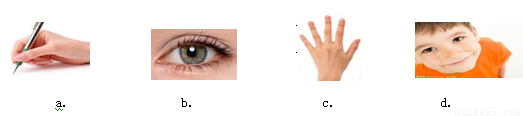
A. c→b→d→a B. d→b→c→a
C. b→c→a→d D.a→b→d→c
2.What can we learn from the part “Pronunciation”?
A. We should pronounce a word the same way as we spell it.
B. We need to know the stress when we pronounce a word.
C. “Ough” has the same pronunciation in “through” and “rough”.
D. We don’t need to know the stress when we pronounce a word .
3.The underlined word “removing” means “__________” in Chinese.
A. 回收 B. 搬家 C. 抛洒 D. 去除
4.Englishmen like to use “___________” at the end of a formal letter.
A. Your B. Yours sincerely
C. Sincerely yours D. Yours
5.From the passage, we know that ____________.
A. how to learn vocabulary
B. the importance of learning vocabulary.
C. why we like English
D. why we learn English