请阅读下面短文,掌握其大意,然后根据短文内容从下面方框中的七个选项中,选择五个还原到文中,使短文意思通顺、结构完整。

Natural resources are pretty important to us today. We should learn more about our earth. There is a place on our earth 1._____. It is on a large island in the Pacific Ocean. The island is North Island in New Zealand.

The earth on which we live is a ball of very hot rock. 2.____. If it were not, no one could live on the earth. The earth’s shell has cracks(裂缝) in it in some places. In New Zealand this shell seems to have more cracks than in other places on the earth. 3.____. In some places, hot water shoots into the air from time to time. In other places, you can see steam coming up from pools of hot water. 4._____. Some of them cook in the hot pools. They put food into basketball and then put it into the water. Washing clothes is done in much the same way. 5.______. They do this by putting a pipe a hundred feet or more into the ground. In this way they get hot water and steam for cooking and washing, and for heating their homes.

A. People love doing sports on the shell.

B. The weather is usually terrible all the year round.

C. Many people bring the hot water into their homes.

D. It is a good thing for us that the outside shell is cold.

E. Hot water and steam come up under the ground there.

F. The people there make use of the heat from inside the earth.

G. There are places where ground is so hot that it burns your shoes.

Are you shy? If you are, you are not alone. In fact, close to 50 percent of people are shy. Almost 80 percent of people feel shy at some point in their lives. These days, shyness is becoming more and more common. Now, scientists are trying to understand shyness. They have some interesting ideas about why people are shy.

Is it possible to be born shy? Many scientists say yes. They say 15 to 20 percent of babies behave shyly. These babies are a little quieter and more watchful than other babies. Interestingly, these shy babies usually have shy parents. As a result, scientists think that some shyness is genetic.

Family size might cause people to be shy as well. Scientists at Harvard University studied shy children. They found that 66 percent of them had older brothers and sisters. As a result, they became shy. At the same time, children with no brothers and sisters may be shy as well. Growing up alone, they often play by themselves. They are not able to learn the same social skills as children from big families.

You may also be shy because of where you were born. When scientists studied shyness in different countries, they found surprising differences. In Japan, most people said they were shy. But in Israel, only one of three people said so. What explains the difference? One scientist says the Japanese and Israelis have different opinions(看法) of failure(失败). In Japan, when people do not succeed, they feel bad about themselves. They blame(责备)themselves for their failure. In Israel, the opposite is true. Israelis often blame failure on outside reasons, such as family, teachers, friends, or bad luck. In Israel, freedom of opinion and risk taking are strongly supported. This may be why Israelis worry less about failure and are less shy.

For shy people, it can be difficult to make friends, speak in class, and even get a good job. But scientists say you can get over your shyness. They suggest trying new things and practicing conversation. And don’t forget---if you are shy, you are not the only one.

1.What does the underlined word “genetic” in paragraph 2 probably mean?

A. Passed down from parents.

B. Learned from friends.

C. Taught by teachers.

D. Made up by brothers.

2.We can learn from the passage that _______ may cause shyness.

A. genetics, grown--ups and birthplace

B. genetics, family size and birthplace

C. family size, grown--ups and failure

D. genetics, family size and freedom

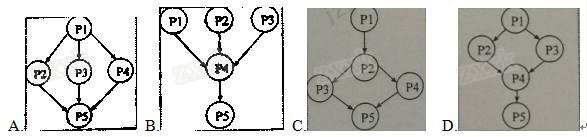
3.Which of the following shows the structure(结构)of the passage? (P=Paragraph)

违法和不良信息举报电话:027-86699610 举报邮箱:58377363@163.com

精英家教网