题目内容
My father and I started our morning by moving quickly into the local store. I waited in the line at the Starbucks counter while he shopped around to pick up a few things.
As I was starting there I become aware of an elderly women, with untidy hair, wearing layers upon layers of old clothing, hunchbacked (弯背的) behind me in line. She had a few things for washing and seemed to want the Starbucks cashier to ring up since that queue was shorter than the queues in the store.
At some point I became aware of her edging (慢慢挪动) closer behind me — closer than I was comfortable with! I instinctively (本能地) placed a hand over my purse and drew it close to me. My fear and imagination raced creating wild stories about this homeless woman who might try to steal from me.
Then it was my turn to order. As the cashier rang up my total, I discovered I was 67 cents short. I called my father but he was hard of hearing. He asked me to repeat what I said but he still couldn’t make me out. At that point, a long, grey arm, with holes in its sleeves, reached over from behind me. She laid 67 cents out on the counter, saying, “Here, we all need some help sometimes.”
I was stunned! Here was a woman who clearly had very little to give and was in great need herself. I had judged her wrongly and she had offered to reach out to help me!
What an amazing gift and lesson this woman gave me about judging others! Thank you, God!
1. From the passage, we can learn that the elderly women .
A. probably lived a poor life
B. tried to steal money from the writer
C. always followed close behind the writer
D. often went to the store to buy a few things.
2.The elderly woman decided to help the writer .
A. the moment she saw the writer
B. when she noticed the writer watching her
C. after the writer failed to get help from her father
D. when the writer discovered she was 67 cents short
3.The underline word “stunned” in paragraph 5 probably means “ ”.
A. happy B. surprised C. angry D. disappointed
4.What lesson does the writer learn from the story?
A. We should look at things from two sides.
B. It’s wise to give help to those in need.
C. The world is full of love and surprises.
D. Never judge a person from his appearance.

 春雨教育同步作文系列答案
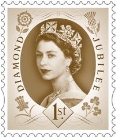
根据下面明信片内容判断正误,正确的写T,错误的写F。
1.The postcard is from Jack to Tim.
2.Jack Brown lives in London, UK.
3.Tim is sitting under a tree.
4.One of Jack’s cousins is taking a photo of Jack.
5.Tim is eating an ice cream and writing the postcard now.
Dear Jack, How are you? Do you know where I am? Now I’m sitting by a pool and eating an ice cream. And I’m having a wonderful time with my cousins here. One of my cousins is taking a photo of me, so I’m smiling, eating, and writing this at the same time. What are you doing? Are you helping your father in his studio? What about the weather in London? OK, I have to go now. My cousins are calling me. Yours, Tim | Jack Brown No.8 Gerrard Street Shaftsbury Avenue London UK
|
阅读填空。阅读下面短文,然后根据短文内容补全答题卡上对应表格中所缺失的信息.每空仅填一词, 数字算一个词。
Everyone needs to understand something about money: Where it comes from, how to save it and how to spend it wisely. Too many parents don’t take time to teach their children about money, and as a resulut, many of those children don’t know how to deal with money when they grow up.
When should parents begin teaching their children about money? Experts agree that it’s never too early. The more children learn about money, the more wisely they will be able to deal with money as they grow older. To begin with, parents can teach kids how to count money.
Next, parents can teach kids to save money. For example, your children want a new bike. You can teach them to save part of their pocket money for that bike, while still keeping some money for ice cream and movies. In this way they will begin to understand the meaning of saving.
Also it’s never too early to teach your children different ways to make money. For example, they can wash cars, clean gardens, look after babies and so on. Sit down with your children and talk with them about some ways they can make money. You’ll be surprised and glad at the effort they will begin making.
Teach your children about money when they’re young and their future will be brighter.
What parents should do | Parents should 1.their time teaching their children about money. |
How parents teach their children | At first, parents can teach their children how to2. money. |
Then, children can be taught how to 3.money by their parents. | |
Parents can teach their children different ways to make 4.. | |
Why parents need to do these | If parents teach their children about money early, their children’s 5.will be brighter . |