题目内容
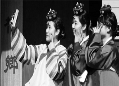
What is the hottest English word of 2013? It’s “selfie”, according to Oxford dictionaries. Selfie is a photo that one takes of oneself, according to the Oxford online dictionary. People usually take selfies with a smart phone(智能手机) and send them to a social media website.
The word was first used in 2002. In the past 12 months, its frequency (出现频率) in the English language has increased by 17,000 percent, said Oxford dictionaries. Now, almost everybody knows it.
“Almost every day, I take a photo of myself at school, and save it in my Qzone (QQ空间),” said Huang Xu, 13, from Hunan. These photos record her happy and sad moments.
Pop stars also take a lot of selfies. Li Chunping, 14, from Harbin, is a big fan of Yang Mi. “She has used many selfies to tell us what’s going on in her personal life,” said Li.
What makes people love selfies? Some people say it’s narcissism (自恋). “The rise of the selfie is a perfect symbol for our narcissistic culture. We’re crying out: Look at me!” said US psychiatrist(精神科医生) Carole Lieberman.
Young people are using selfies to make friends online, Jonathan Freedland wrote in The Guardian. “The usual purpose of taking a selfie is to share online. They express a human need to connect with others,” wrote Freedland.
Huang Xu agrees with that. “During summer vacation, my classmates and I shared many selfies online. Hair or clothes were not our interests. Through these photos, we got to know each other’s holidays and feelings,” said Huang Xu.
1.According to the story, a “selfie” is _______.
A. a person with a smart phone
B. a smart phone which can take photos
C. a photo taken by oneself
D. an English dictionary
2.When was the word “selfie” first used?
A. More than ten years ago.
B. In 2013.
C. When smart phones appeared.
D. 12 months ago.
3.We can tell from the story that _________.
A. only famous people enjoy taking selfies
B. all the people love selfies because of narcissism
C. people love to share selfies online
D. US psychiatrist Carole Lieberman hates selfies
4.We put the sentence “But some people don’t see it that way.” at the beginning of _______.
A. Paragraph 4 B. Paragraph 5
C. Paragraph 6 D. Paragraph 7
5.What is the best title of this passage ?
A. Selfies and narcissism.
B. Selfies and sharing.
C. Selfies and smart phones.
D. Selfies, the hottest word in 2013.
1.C
2.A
3.C
4.C
5.D
【解析】
试题分析:2013年世界最热的单词是什么?它是自拍照。它是指那些用智能手机进行自拍后,上传到社交网站的照片。接下来以调查的形式,展示出学生们喜欢用这种方式交流,并且很多明星们也很喜欢用这种方式来记录生活。
1.
2.
3.尤指那些自拍后上传到社交网站的照片。结合选项,第三项符合。故选:C
4.
5.
考点:社会现象类短文阅读。
