题目内容
Satellites help us to learn ________ about the earth.
- A.enough
- B.many
- C.more
- D.lot

 阅读快车系列答案
【小题1】These satellites go round ____.
| A.the earth | B.the moon | C.the sun | D.the stars |
| A.terrible | B.useful | C.unknown | D.not necessary |
| A.anything interesting | B.what other people are doing |
| C.foreign programs | D.colour films |
| A.write down | B.send birthday presents |
| C.pay visit | D.make telephone calls |
The Internet, mobile phones and iPads are part of our lives now. Technology is greatly affecting all ways of our lives, from the ways we work to the ways we play. And it even causes a number of social problems such as cloning humans.
We have had lots of technology and it has changed our lives a lot. There is no doubt that humans will continue to use more and more technology. Here are some examples of modern technology that will change our ideas and will affect our lives greatly.
Global Positioning System (GPS) (全球定位系统)
It’s a system that uses radio signals from satellites to show exact (精确的) information. It tells you where the user is on the earth in all weather conditions. It’s made up of three parts: satellites, control equipments (设备) on land and receivers.
Space Technology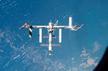
Russian and American scientists have worked together for the International Space Station (ISS) for a long time. They hope the ISS will provide a long-lasting lab. Such a lab will bring humans limitless (无限的) advantages. It’s even hoped that one day space technology will take humans to their new houses in space.
Underwater Robot
Hercules is a kind of underwater robot with some high technology equipments. It will be used to search for ancient ships which were destroyed into the deep sea during their journey long ago.
The world is changing so quickly that it’s hard for us to catch up with all the new inventions because they seem to come out every month. It’s important for us to learn about new technology and the role that it plays in our lives. So we should be willing to accept modern technology, or we will fall behind the times.
【小题1】 can tell you where the user is on the earth exactly.
| A.Satellites | B.Receivers |
| C.Global Positioning System | D.Underwater Robot |
| A.It has carried people to other planets. |
| B.It will provide a long-lasting lab for us. |
| C.Russia and America are working for it. |
| D.Humans will get a lot of advantages from it. |
| A.save lives in the sea |
| B.take pictures in the sea |
| C.repair the broken ships |
| D.look for the ancient ships in the sea |
| A.the use of GPS is affected by the weather conditions |
| B.it’s very important for us to learn about new technology |
| C.it’s easy for us to catch up with all the new inventions |
| D.technology brings us many advantages such as cloning humans |
| A.To help us study some new technology. |
| B.To tell us technology is changing the world. |
| C.To help solve the problems that technology causes. |
| D.To remind us the advantages of technology are limitless. |
Now satellites are helping to forecast the weather. They are in space, and they can reach any part of the world. The satellites take pictures of the atmosphere(大气), because this is where the weather forms. They send these pictures to the weather stations. So meteorologists(气象学家)can see the weather of any part of the world. From the pictures, the scientists can often say how the weather will change.
Today, nearly five hundred weather stations in sixty countries receive satellite pictures. When they receive new pictures, the meteorologists compare them with earlier ones. Perhaps they may find that the clouds have changed during the last few hours. This may mean that the weather on the ground may soon change, too. In their next weather forecast, the meteorologists can say this.
So the weather satellites are a great help to the meteorologists. Before satellites were invented, the scientists could forecast the weather for about 24 or 48 hours. Now they can make good forecasts for three or five days. Soon, perhaps, they may be able to forecast the weather for a week or more ahead(提前).
【小题1】Satellites travel ___________.
| A.in space | B.in the atmosphere |
| C.above the ground | D.above space |
Because ________.
| A.the weather satellites can do it easily | B.clouds form there |
| C.the weather forms there | D.the pictures can forecast the weather |
| A.when they have received satellite pictures |
| B.after they have compared new satellite pictures with earlier ones |
| C.before they received satellite pictures |
| D.during they study satellite pictures |
| A.one day | B.two days |
| C.five days | D.seven days or even longer |
| A.taking pictures of the atmosphere |
| B.receiving pictures of the atmosphere |
| C.doing other work in many ways |
| D.weather forecasting |
Now satellites(卫星)are helping to forecast the weather. They are in space and they can reach any part of the world. The satellites take pictures of the atmosphere(大气), because this is where the weather forms(形成). They send these pictures to the weather station. So meteorologists(气象专家)can see the weather of any part of the world. From the pictures, the scientists can often say how the weather will change.
Today, nearly five hundred weather stations in sixty countries receive satellite pictures. When they receive new pictures, the meteorologists compare(比较)them with earlier ones. Perhaps they may find that the clouds have changed during the last few hours .This may mean the weather on the ground may soon change, too. In their next weather forecast, the meteorologists can say this.
So the weather satellites are a great help to the meteorologists. Before satellites were invented, the scientists could forecast the weather for about 24 or 48 hours. Now they can make good forecasts for 3 or 5 days. Soon, perhaps , they may forecast the weather for a week or more ahead(提前)
【小题1】Satellites travel__________.
| A.in space | B.in the atmosphere |
| C.above the ground | D.above space |
| A.the weather satellites can do it easily |
| B.clouds form there |
| C.the weather forms there |
| D.the pictures can forecast the weather |
| A.when they have received satellite pictures |
| B.after they have compared new satellite pictures with earlier ones |
| C.before they receive satellite pictures |
| D.while they study satellite pictures |
| A.one day | B.two days | C.five days | D.seven days or even longer |
| A.taking pictures of the atmosphere |
| B.receiving pictures of the atmosphere |
| C.doing other work in many ways |
| D.weather forecasting |
