题目内容
Mark was walking home from school one day when he noticed a boy ahead of him had dropped all of the books he was carrying. Mark helped the boy pick them up. they were going the same way, he carried them for the boy. As they walked, Mark knew the boy’s name was Bill. Mark discovered that he loved computer games, baseball and history and that he was having a lot of with his other subjects.
They arrived at Bill’s home first and Mark was invited in Coke and to watch some television. The afternoon passed with a few laughs and some shared small talk, and then Mark went home. They to see each other around school, had lunch together once or twice and then ended up from the same high school. Just three weeks before they finished school, Bill asked Mark if they could have a talk.
Bill him of the day years ago when they had first met. ‘Do you wonder why I was carrying so many things home that day?’ asked Bill. ‘You see, I out my locker because I didn’t want to leave a mess for anyone else. I had planned to from home and I was going home to pack my things. But after we spent some time together and laughing, I realized that I had done that, I would have a new friend and missed all the fun we would have together. So you see, Mark, when you picked up my books that day, you did a lot more. You my life.’
1.A. After B. Since C. Although D. Until
2.A. also B. still C. always D. almost
3.A. questions B. ideas C. trouble D. doubt
4.A. from B. with C. to D. for
5.A. quickly B. proudly C. freely D. pleasantly
6.A. continued B. hoped C. preferred D. offered
7.A. all B. both C. every D. none
8.A. removed B. reminded C. asked D. described
9.A. ever B. soon C. even D. never
10.A. checked B. took C. cleaned D. put
11.A. run away B. take away C. put away D. pass away
12.A. reading B. playing C. talking D. watching
13.A. before B. if C. while D. as
14.A. forgotten B. made C. became D. lost
15.A. helped B. saved C. changed D. improved
1.B
2.A
3.C
4.D
5.D
6.A
7.B
8.B
9.A
10.B
11.A
12.C
13.B
14.D
15.B
【解析】
试题分析:迈克在回家的路上遇到了一位想辍学的学生比尔,就把他送回家并且和他谈心、玩耍,结果成了好朋友。朋友的热情点燃了比尔的生命火花,正是这个动力使比尔重新走进了学校的大门,然后坚持到毕业。
1.连词及语境的理解。由于他们走同一条路,他就帮着小男孩拿着这些书。A. After 在……之后;B. Since因为;C. Although虽然;D. Until直到……,故选B.
2.副词及语境的理解。根据文意:迈克不但知道小男孩的名字,还进一步知道他喜欢的科目。A. also也; B. still仍然; C. always总是;D. almost几乎。表示意思递进一层。故选A。
3.名词及语境的理解。与此同时,迈克还了解到对于其他的学科,比尔感到有些困难。A. questions问题;B. ideas主意;C. trouble 麻烦;D. doubt怀疑。故选C。
4.介词及语境的理解。他们到达比尔的家后,招待迈克喝可乐,看电视。A. from来自;B. with和;C. to 到, D. for为。表示目的用for。故选D。
5.副词及语境的理解。由于谈笑风生,因此那天下午在愉快的氛围中度过。A. quickly快速地;B. proudly骄傲地;C. freely自由地;D. pleasantly愉快地。根据句意,故选D。
6.动词及语境的理解。他们继续彼此见面,在一起吃了一两次午饭。A. continued继续;B. hoped希望; C. preferred更喜欢;D. offered。提供。根据句意,故选A。
7.代词及语境的理解。因为故事中只有两个人,因此用both。A. all表示三个或三个以上都;B. both两者都; C. every每一个; D. none三者或三者以上都不。因为故事中只有两个人,因此用both。故选B
8.动词及语境的理解。考查固定词组。Remind of意思是“使某人想起……”。 A. removed移动; B. reminded使……记起; C. asked询问;D. described描述。Remind of意思是“使某人想起……”。故选B。
9.副词及语境的理解。根据句意:你是否曾经想知道那天我为什么带着那么多的东西回家?A. ever曾经;B. soon很快;C. even甚至;D. never绝不。故选A。
10.我带走我的物品是因为我不想给其他人留下一团糟。A. checked检查;B. took带走;C. cleaned打扫;D. put放。故选B。
11.动词及语境的理解。A. run away逃跑;B. take away带走; C. put away收起来;D. pass away停止。 run away我曾经想离家出走,run away是跑开的意思。根据句意,故选A。
12.动词及语境的理解。A. reading看; B. playing 玩; C. talking 交谈;D. watching 观看。taking动词的用法,spend doing sth。故选C
13.连词及语境的理解。现在我意识到:如果那样做了,我就会丢失一位新朋友。A. before在……以前;B. if 如果;C. while当…时;D. as作为。故选B。
14.动词及语境的理解。现在我意识到:如果那样做了,我就会丢失一位新朋友。A. forgotten 忘记;B. made做; C. became变成;D. lost丢失。故选D。
15.你挽救了我的生命。A. helped帮助;B. saved拯救; C. changed改变;D. improved提高。故选B。
考点:故事类短文。

 阳光试卷单元测试卷系列答案
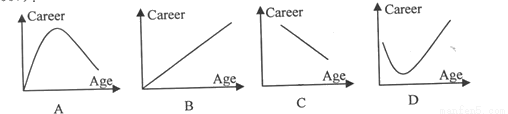
阅读下面短文,根据要求完成表格,每空一词。(共10空,每空1分,计10分)
Are people less happy or happier when they get older? If your answer is “happier”, then you are right, based on a study published five years ago. It found that people generally become happier and experience less worry after age fifty. In fact, it found that by the age of eighty-five, people are happier with their life than they were at eighteen.
The findings came from a Gallup survey of more than three hundred and forty thousand adults in the United States in 2008. At that time, the people were between the ages of eighteen and eighty-five.
Arthur Stone in the Department of Psychiatry and Behavioral Science at Stony Brook University in New York led the study. His team found that levels of stress were the highest among adults between the ages of twenty-two and twenty-five. Stress levels dropped sharply after people reached their fifties.
Levels of happiness were the highest among the kids and those in their early seventies.
The survey also found that men and women have similar emotional patterns as they grow older. However, women at all ages reported more sadness, stress and worry than men did.
So why would happiness increase with age? One theory is that, as people get older, they become more thankful for what they have and have better control of their emotions. They also spend less time thinking about bad experiences.
Title: Relationship Between Age and 1.
The elements of the survey | Time: 2008 Place: in the United States Researcher: Arthur Stone and his 2. Targets: 340,000 adults |
The 3. of the survey | Generally people become happier and feel 4. worried after age 50. By the age of 85, people are happier with their life than they were at 18. Adults between the ages of 22 and 25 have the 5. stress. The kids and those in their early 6. feel the happiest. Men and women have similar emotional patterns as they grow older. However, women feel sadder, more 7. and worried than men do. |
Conclusion | Happiness 8. with age. That’s because people become more thankful for what they have and control their emotions 9. as they get older. It also 10. them less time to think about bad experiences. |