题目内容

 When I was in my second year of senior high school, a girl called Jeanie in my class made a big name for herself. She had successfully  the interviews for a famous women’s university in the USA.

On hearing the news, I told the girl that I  her very much. Then, she  at me and said the words I will never  . “You can also do it! If you have  , you realize them. You see,   action, dreams are still dreams. If you  , the dreams will come true. ”Her words gave me so much  . She encouraged me to take action to achieve my dreams. From then on, I spent a lot of time  an article for competitions. It was a really  for me, not only for my writing but also a  of my courage.

After several days’ hard work, I finished it. Even though I lacked  , I still handed it in. I knew it was the only  that may make my dreams come true. But day in and day out, I  waiting and waiting, yet I heard nothing. I was very  then.

One day, however, a classmate of mine  to an English newspaper and said  , “Mary, your  is in the newspaper! Is that your article? ”My heart beat heavily. With shock and joy, I  the newspaper. The thing I thought was  had really happened.

1. A. begun  B. given  C. attended  D. passed

2. A. lovedB. admired

C. congratulatedD. thanked

3.A. smiledB. aimedC. laughedD. shouted

4. A. doubtB. understand

C. forgetD. accept

5.A. designsB. demandsC. actionsD. dreams

6.A. intoB. byC. withoutD. with

7. A. tryB. likeC. workD. live

8.A. painB. inspiration

C. surpriseD. advice

9.A. seekingB. reciting

C. readingD. preparing

10.A. shockB. turnC. challengeD. success

11. A. testB. riskC. part D. reward

12. A. self-respectB. self-confidence

C. enthusiasmD. dream

13. A. wayB. suggestion

C. questionD. purpose

14. A. hatedB. kept

C. meantD. remembered

15. A. worriedB. surprised

C. disappointedD. ashamed

16. A. wroteB. explainedC. returnedD. pointed

17. A. proudlyB. hopelessly

C. excitedlyD. angrily

18. A. nameB. writingC. reportD. diary

19. A. picked outB. picked up

C. made outD. made up

20.A. incorrectB. impossible

C. interestingD. special


1.D

2.B

3.A

4.C

5.D

6.C

7.A

8.B

9.D

10.C

11.A

12.B

13.A

14.B

15.C

16.D

17.C

18.A

19.B

20.A

【解析】

【文章大意】如果你有梦想, 你就可以去实现它们。如果你去尝试, 就可以实现它们。在一个女孩这样的鼓励下, 作者坚持不懈地努力, 最后实现了自己的梦想。

1.选D。逻辑推理题。根据句意可知, 她成功地通过了一所著名的女子大学的面试。pass an interview通过面试。

2.2】选B。逻辑推理题。根据下文她对作者的鼓励的话可推知作者应该在言谈之间流露出羡慕之情。

3.3】选A。词语辨析题。在对别人说出鼓励的话语时, 应该是微笑着的。smile at sb. 向某人微笑, 合乎句意。aim at旨在; laugh at嘲笑; shout at朝……大声喊叫。

4.4】选C。逻辑推理题。对自己影响非常大的话, 应该不会轻易忘记。

5.5】选D。词汇复现题。结合上下文, 接下来都是在说梦想的问题, 故选D项。

6.6】选C。逻辑推理题。根据句意“没有行动, 梦想永远都只是梦想, 如果你去尝试, 就可以实现它们。”可知填without“没有”。

7.7】选A。逻辑推理题。结合上一句话“没有行动, 梦想永远都只是梦想”, 接下来就会提到“去尝试, 就可以实现它们”。由此可知填try(尝试)。

8.8】选B。逻辑推理题。根据下文的“encouraged”可知她的话给了我很大的鼓舞(inspiration)。

9.9】选D。习语搭配题。结合下文可知作者写了一篇文章参加比赛, 故用prepare. . . for. . . , 固定用法, 意思是“为……做准备”。

10.0】选C。逻辑推理题。结合下一段的第一句可知写作对作者来说是hard work, 故选challenge, 意为“困难, 挑战”。

11.1】选A。词语辨析题。比赛对作者不仅是写作方面的挑战, 也是对勇气的一种检验。test检验。risk冒险; part部分; reward回报。

12.2】选B。逻辑推理题。根据第二段the girl鼓励作者实现梦想以及最后一句提到写文章参加比赛对作者的写作和勇气都是挑战来看, 作者是缺乏自信的。故选B项。

13.3】选A。词语辨析题。根据句意可知作者认为这也许是实现梦想的唯一的方法。way方法; suggestion建议; question问题; purpose目的。

14.4】选B。习语搭配题。根据时间状语day in and day out可知作者一直坚持等, 故用keep doing sth. 一直做某事, 持续做某事。

15.5】选C。逻辑推理题。自己写的东西石沉大海, 没有任何消息, 作者自然感到失望。

16.6】选D。词语辨析题。四个词都能和to搭配, 但是结合语境“我的一个同学指着报纸对我说”可知选D项, 意为“指着”。

17.7】选C。逻辑推理题。看到报纸上有自己同学的名字, 应该感到很兴奋。只有C项表示“兴奋地”。

18.8】选A。常识背景题。通常报纸上发表一篇文章会把作者的名字写上。

19.9】选B。逻辑推理题。当同学告诉自己这一消息时, 作者当然会先接过(pick up)报纸看看。

20.20】选B。逻辑推理题。根据句意“我原以为不可能的事情竟然变成了现实”可知选B项。

练习册系列答案
相关题目

  They are the sort of friends who are so close that they trust each other with their lives. If one falls, the other is there to catch him.

They are Wellman, whose legs were permanently injured nine years ago in a rock-climbing accident, and Corbett, an experienced rock climber. Together, they climbed up Half Dome, the famous 2, 000-foot rock in the Yosemite National Park, through one of the most difficult routes(路线).

During the climb, Corbett took the lead, hit in the metal spikes(尖状物)that guided the ropes, and climbed up. Then, after Wellman pulled himself up the rope, Corbett went down to remove the spikes and climbed up again. This process was repeated time and again, inch by inch, for 13 days. Wellman’s job was not easy either. He got himself up the rope through upper body strength alone. In all, Wellman figured that he had done 5, 000 pull-ups up the rope on the climb.

However, when the two men first met, they never talked about climbing. “He knew that was how I got injured. ”Wellman said. Until one day Wellman decided that he wanted to climb again and they started training.

Their climb of Half Dome was not all smooth. At one point, pieces of rock gave way, and Corbett dropped down quickly. Wellman locked their rope in place, stopping the fall at 20 feet. His quick action probably saved his friend’s life.

“Your partner can save your life—you can save your partner’s life. ”Wellman said as the pair received congratulations from friends. “There are real close ties. ”

1. Which of the following was a challenge for Corbett in climbing Half Dome?

A. To climb up to remove the spikes.

B. To climb it twice.

C. To do 5, 000 pull-ups up the rope.

D. To lock the rope in place.

2. Why did the two men never talk about climbing when they first met?

A. Corbett was poorly trained.

B. Wellman had lost interest in climbing.

C. Corbett didn’t want to hurt Wellman.

D. Wellman hadn’t decided whether to climb again or not.

3. What do we know about Wellman?

A. He climbed Half Dome by himself.

B. He was disabled in a traffic accident.

C. He stopped rock-climbing for some time.

D. He was saved by Corbett during the climb.

4. The main idea of the text is that   .

A. two heads are better than one

B. friendship is precious in life

C. the disabled should never give up

D. a man can be destroyed but cannot be defeated


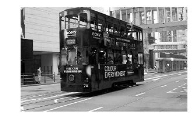
Think of London and you will probably remember the bright red double-decker buses. Think of Thailand’s capital city, Bangkok, and the noisy tuk-tuks may come to mind. Think of San Francisco and you might see the city’s cable cars.

Imagining what these cities would look like without those is difficult. They are symbols of these cities that make them different. However, these city symbols are not always so well loved by their city leaders. City leaders want what is best for their city, which often means the most modern transport.

In Bangkok, city leaders have banned(禁止)tuk-tuks because they consider them noisy and polluting. However, the ban has largely been unsuccessful as it has not changed Thai people’s love for the cheap tuk-tuks over taxis.

In London the city’s first ever mayor(市长)removed the red double-decker buses, which he thought were old fashioned. His plan worked, but Londoners were unhappy to lose the nice old buses they believed represented the best of their city. They made their unhappiness felt when the mayor came up for re-election. Most Londoners voted for his competitor, who promised to bring the bus back.

As for San Francisco, several cable cars are still in use but mainly as tourist attractions. They are too slow to be used for anything other than scenic trips.

City transport symbols may have a place in their city people’s hearts, but it seems they are increasingly out of step with the modern world. As Londoners have proved, their continued life depends on people’s willingness to fight for their survival.

1. What’s the author’s purpose of writing the first paragraph?

A. To introduce some city transport symbols.

B. To explain why some cities are popular.

C. To talk about modern transport in some cities.

D. To attract more tourists to visit some cities.

2.The London double-decker bus is returning mainly because   .

A. the new mayor loves it

B. Londoners fought for it

C. it is an improved transport

D. it is popular with tourists

3. Which proves the old city transport symbols are not loved by city leaders?

A. Only a few cable cars are still in use in San Francisco.

B. Bangkok city leaders tried to remove the cheap tuk-tuks.

C. The mayor who sold double-decker buses lost the re-election.

D. The new mayor will bring back improved double-decker buses.

4. What can we infer from the passage?

A. Modern cities should remove old city transport symbols.

B. The writer thinks highly of the old city transport symbols.

C. Old city transport symbols face the problem of survival.

D. Tourist cities will lose their attraction without the symbols.


“Just ate chicken feet for lunch. ”These were the words I wrote on my blog yesterday. By the next day there were hundreds of comments from my friends. They included “OH MY GOD! That is so disgusting(令人厌恶的)! ”, “What were they like? ” and “Why can’t you eat sandwiches like everyone else? ”

To Chinese people, chicken feet are a normal snack. To my friends in Britain, the thought of eating a chicken’s feet is weird(不可思议的). As weird, in fact, as eating a bullfrog(牛蛙), scorpion(蝎子), snake, or turtle.

But if there are two things I love more than anything else in life, they are trying new things and food.

I arrived in Beijing five months ago. Since then, I’ve searched for the “weirdest” foods so I can try them, then treat my friends to some “virtual eating”on my blog.

One weekend, I went to Wangfujing, Beijing’s “snack street”. The trip gave me tons of blog materials.

“I chose a stick with three live, wriggling scorpions on it, ”I wrote. “And it was pretty good. The scorpion was warm and crispy. The legs did have a tendency to get stuck between one’s teeth, however. What’s more, I am sure scorpion stung(蜇伤)me twice with its tail in revenge. ”

Next came snake: “A bit like a cross between fish and chicken, with a slightly rubbery texture(弹性口感)and meaty taste. ”

Some people were actually angry when I ate turtle soup—especially when I posted pictures showing the poor little guy’s head staring sadly up at us from the bowl. “I am never speaking to you again, ”wrote one former friend.

Still, I will continue my culinary quest(美食征程).

Next on my list is starfish, though I feel I should have some vegetables too—algae, maybe.

So what am I eating, tonight, you may ask. Pizza. Well, a girl’s gotta have a break sometimes.

1.According to the passage, which of the following “weirdest” foods is the one the author hasn’t tried?

A. Chicken feet.    B. Bullfrog.

C. Scorpion. D. Chicken head.

2. What does the author like most in life?

A. Trying new things and food.

B. Traveling.

C. Walking.

D. Shopping.

3.Where did the author get her blog material?

A. From her friends.

B. From Wangfujing, Beijing’s “snack street”.

C. From shopping.

D. From the Internet.

4. What is the author’s friends’ attitude towards her trying “weird” foods?

A. They are satisfied.

B. They are happy.

C. They are surprised and even angry.

D. They are sorry.

5. What can we learn from the passage about the author?

A. The author likes eating.

B. The author enjoys traveling.

C. The author is fond of shopping.

D. The author is interested in Chinese food.


It was the district sports meet. My foot still hadn’t healed(痊愈)from a(n)  injury. I had  whether or not I should attend the meet. But there I was,   for the 3, 000-meter run.

“Ready. . . set. . . ”The gun popped and we were off. The other girls rushed  me. I felt  as I fell farther and farther behind.

“Hooray! ”shouted the crowd. It was the loudest  I had ever heard at a meet. The first-place runner was two laps(圈)ahead of me when she crossed the finish line. “Maybe I should  , ”I thought as I moved on.   , I decided to keep going. During the last two laps, I ran  and decided not to  in track next year. It wouldn’t be  it, even if my foot did heal.

When I finished, I heard a cheer—  than the one I’d heard earlier. I turned around and  enough, the boys were preparing for their race. “They must be cheering for the boys. ”I was leaving  several girls came up to me. “Wow, you’ve got courage! ”one of them told me.

“Courage? I just  a race! ”I thought. “I would have given up on the first lap, ”said another girl. “We were cheering for you. Did you hear us? ”

Suddenly I regained  . I decided to  track next year. I realized strength and courage aren’t always  in medals and victories, but in the  we overcome(战胜). The strongest people are not always the people who win,   the people who don’t give up when they lose.

1.A. slighter  B. worse  C. earlier  D. heavier

2. A. expectedB. supposed

C. imaginedD. doubted

3. A. lateB. eagerC. readyD. thirsty

4.A. from behindB. ahead of

C. next toD. close to

5.A. ashamedB. astonished

C. excitedD. frightened

6.A. cheerB. shoutC. cryD. noise

7.A. slow downB. drop out

C. go onD. speed up

8. A. ThereforeB. Otherwise

C. BesidesD. However

9. A. with delightB. with fear

C. in painD. in advance

10. A. playB. arriveC. raceD. attend

11. A. worthB. goodC. valuableD. close

12. A. weakerB. longerC. lowerD. louder

13. A. wellB. sure

C. surprisinglyD. strangely

14. A. whileB. whenC. asD. since

15.A. finishedB. wonC. passedD. lost

16.A. cheerB. hopeC. interestD. experience

17. A. hold onB. turn to

C. begin withD. stick with

18.A. measuredB. praised

C. testedD. increased

19. A. sadnessB. struggles

C. diseasesD. tiredness

20.A. orB. norC. andD. but


Absence

If a student is absent, parents are asked to contact the school and report that absence. Simply ring the school and you will be directed to the absence phone system. You should then give the name of the student and their tutor teacher.

Attendance

School hours are 08:35 to 15:00. If a student is late, they must sign in at the Student Office.

School times are as follows: Monday, Tuesday, Thursday and Friday.

08:35 - 09:35 Period 1

09:35 - 10:35 Period 2

10:35 - 10:50 Tutor Time

10:50 - 11:10 Interval

11:10 - 12:05 Period 3

12:05 - 13:00 Period 4

13:00 - 13.45 Lunch

13:45 - 14:05 School-wide reading

14:05 - 15:00 Period 5

Wednesday Only

09:00 - 09:55 Period 1

09:55 - 10:50 Period 2

Rest of the times are the same as for the other days.

Cellphones

The current cell phone policy is that, although permitted at school, they must not be used or turned on during class time.

1.If a student is absent, ______ should call the school and report the absence.

the student’s parents B. the student himself

C. the student’s tutor D. the student’s teacher

2.The school doesn’t have Tutor Time ______.

A. on Monday and Friday B. on Tuesday

C. on Thursday D. on Wednesday

3.Students can use their cell phones at ______ every day.

A.09:00 B. 10:00

C. 11:00 D. 12:00

4.Which of the following is true?

A.When you report an absence, you speak directly to the Student Office.

B.You are not late if you go to your classroom at 8 o’clock on Thursday.

C.You must ring the school if you are late.

D.Wednesday afternoon is free.


违法和不良信息举报电话:027-86699610 举报邮箱:58377363@163.com

精英家教网