题目内容
15.我妈妈喜欢饭后闲逛.My mother likes tohang out after dinner.
分析 hang out.
解答 答案:hang out.
喜欢做某事用like to do sth,hang out闲逛,故答案是hang out.
点评 1,like doing sth表示长时间的喜欢做某事,指兴趣爱好.在意义上比较一般和抽象,时间观念不强,不指某一次动作;
例:
I like watching TV.我喜欢看电视.
Do you like singing 你喜欢唱歌吗?
She likes swimming.她喜欢游泳.(经常性的,爱好)
I like eating fish.(我喜欢吃鱼,个人口味而已,一种爱好,喜欢)
2,like to do sth 想去做某事(表示有个趋向性,好像是要到某处去做某事)
like to do sth 则常指某个具体的动作,表示偶尔一次喜欢做某事、或者突然喜欢干某事.
例如:
She likes to swim this afternoon.她今天下午想游泳.(特指某一次的动作)

练习册系列答案
相关题目
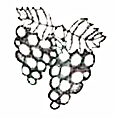 Raisins(葡萄干) in ice cream,in chocolate bars,and in cookies…Our favorite snacks can not be without raisins!
6.Mrs.Black has three kids.Mike is of the three.( )
| A. | taller | B. | tallest | C. | the tallest | D. | the taller |
3.--The box was _______heavier than I had expected.I was out of breath when I got home.( )
| A. | more | B. | much | C. | little | D. | very |
1.Tina ________ England with her parents three years ago.( )
| A. | visits | B. | visited | C. | will visit | D. | has visited |
18.Hanjiang River through our city,which is about ____,is clean again.( )
| A. | 470 meters long | B. | 470-meters-long | C. | 470-meter-long | D. | 470 meter long |
19.You will be independent some day,so you should rely on yourself.The underlined part means ________.( )
| A. | care for | B. | deal with | C. | depend on | D. | look after |