题目内容
Do you want to be the most popular person in the class? You don’t need to change your character; you just need to improve your personality. The most popular people are trusted and loved because they stay normal but still have something that makes them different from the rest of us. Here are some pieces of advice on how to become the most popular person in the class.
·If you want others to like and respect (尊重)you, you have to start by liking yourself. Do not change yourself in order to please others.
·Be helpful to everyone and do it happily. Being nice to people is almost like helping them, too, because by being nice you make others happy.
·Be active and have a position attitude(积极的态度)towards life. Develop confidence in yourself.
·Stay clean and wear fresh clothes. Do not try to follow fashion to please others.
Respect cannot be bought with big words or money. You have to get it by being honest. It also helps your personal growth. You must be a person that can be trusted to get respect.
To be a 1. person | |
Something you don’t need to do | ·Don’t try to follow 2. or change yourself to make others pleased ·You can’t 3. respect with big words or money. |
Something you 4. to do | ·Win others’ respect 5. liking yourself. ·Be honest, helpful and 6. to everyone ·Have an 7. and positive attitude towards life and develop confidence in yourself. · 8. fresh clothes and keep clean. |
conclusion | 9. your personality instead of 10. your character, and you will be popular. |
1.popular
2.fashion
3.get/buy
4.need
5.by
6.nice
7.active
8.Wear
9.Improve
10.changing
【解析】
试题分析:短文大意:这篇短文主要讲述了如何获得别人尊敬的方法,并就此提出了几点具体的建议。
1.
2.
3.
4.
5.
6.
7.
8.
9.
10.
考点:考查阅读填空

 七星图书口算速算天天练系列答案
 初中学业考试导与练系列答案
Daniel likes to do something to protect the environment in his daily life. Next Sunday is his friend’s birthday. He is going to buy some gifts online for his friend. Now he is visiting the following website for some information about gifts.
Welcome to Nature Posters - the world's largest collection(收集) of nature posters and fine art prints!
We make a donation to help the environment when each nature poster is sold through this website! Please tell your friends about us, and remember us when you are gift shopping. |

Daniel chose the following two beautiful pictures as gifts from the website:
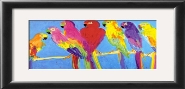
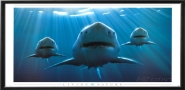
Parrots in Blue: $5.99 Sharks: $7.99
1.Nature Posters is a website ________.
A. to help people plan their birthday parties
B. only to provide information about nature
C. to tell people how to buy birthday presents
D. to help protect nature by selling posters or prints
2. Daniel should pay ________ for his gifts.
A. $5.99B. $13.98C. $7.99D. $2.00
