题目内容
1.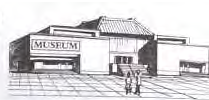 Do you enjoy visiting a museum?Did you ever make a plan before a visit?Every museum must have something that attracts you.And there are many possible ways to enjoy yourself in a museum.
If you follow these steps below,you'll know what is worth seeing and doing,so that you can make the most of your time at the museum.
Decide what museum you will visit.There are so many different kinds of museums and you first need to find one that you like.It's easy for you to choose one and start an enjoyable visit!
Do some research online.Every museum now has a website which allows you to look through the information about it.On the website,you may look for such things as:
•The exhibits(展品)-See what is on show at the museum at all times,and what special exhibitions are held for a short time.
•The history of the museum-There will often be very interesting stories about the exhibits and the benefactors(捐赠者).That can make your visit more interesting.
•Activities-See whether there are talks,tours our special activities on the day when you visit.Many museums hold some activities that meet the interests of all age groups.
•Cost,food or shortage-It's important how much the visit will cost.You have to decide whether or not you can eat there.You might also need to find out transportation needs,as well as storage for coats,bags etc.
Learn at least one thing on your visit.It is always good to take away something new from your visit.
Plan breaks into your visit.When you walk around,standing here and studying exhibits there,you may become very tired.So it is important to take breaks.A break is a good opportunity for you to think of what you have seen and what else you might wat to do in museum.
Take a friend or two.Visiting museums is always a lot more fun when you are with someone else.You can talk over what you're seeing.A friend also brings another way of thinking when you talk about the exhibit.
49.According to the passage,we should firstC.
A.do some research online
B.make a plan for lunch
D.decide on a museum to visit
D.choose a friend to go with
50.To make our visit more interesting,we canB.
A.organize activities like special shows and talks
B.read the stories about exhibits and benefactors
C.learn about the interests of all age groups
D.walk around the museum without breaks
51.If we visit a museum with friends,we canA.
A.share the experience with them
B.come up with strange ideas
C.cut down the cost of the visit
D.discuss the next visit plan.
分析 你喜欢参观博物馆吗?你有没有在参观之前制定一个计划?每一个博物馆都有一些吸引你的东西,而且有很多种可能的方法可以让你在博物馆里过得很愉快.
如果你按照下面的步骤,你会知道什么是值得看和做的,所以你可以花大部分时间在博物馆中.
确定你将参观什么博物馆,有那么多不同种类的博物馆,你首先需要找到一个你喜欢的,对你来说选择一个并开启你的愉快的访问是很简单的.
在网上做一些研究,每一个博物馆都有一个网站,它可以让你浏览一下有关它的信息,在网站上,你可以寻找这些东西:
•展品(展品)-是看始终在博物馆展示的还是看在很短的时间内展示的特殊的展品.
•博物馆的历史-经常会有有关展品和捐赠者的有趣的故事,这可以让你的参观更有趣.
活动-在您访问的当天看是否有会谈,参观的特别活动,许多博物馆举办一些活动来满足各年龄段人的兴趣.
费用、食物或短缺-这次访问将花费多少是非常重要的,你必须决定是否可以在那里吃饭,你还需要找到需要的交通方式,以及储备好大衣、包等.
在你的拜访中至少学会一件事,从你的访问中带走一些新东西总是很好的.
在你的访问中要有计划的休息.当你逛的时候,站着研究那里的展品,你可能会很累.所以休息很重要.休息对于你思考你看到的东西和你还想可能在博物馆做什么都是一个非常好的机会.
带上一两个朋友.当你和别人在一起参观博物馆的时候,你总会有更多的乐趣,你们可以谈论你们所看到的,当你们谈论展品的时候一个朋友也会带来另一种思考方式.
解答 49.A 细节题.关键词为first,可以定位到文章第三段的句子Decide what museum you will visit.There are so many different kinds of museums and you first need to find one that you like可知参观博物馆首先要先选择一个你喜欢的博物馆,故选A.
50.B 细节题. 关键词为more interesting,可以定位到文章第六段的句子The history of the museum-There will often be very interesting stories about the exhibits and the benefactors(捐赠者).That can make your visit more interesting.可知要想让你的参观更有趣,你可以了解展品和捐赠者的有趣的故事,故选B.
51.A 细节推理题.关键词为with friends,由文章最后一段的句子A friend also brings another way of thinking when you talk about the exhibit.推理可知,与A答案的share the experience with them 相呼应,意思相近,故选择A.
点评 这道阅读理解题总体来说比较简单.需要特别注意的是第51题,需要抓住原文相关的句子稍加推敲再和选项结合,从而选出一个说法最为接近的选项.

| A. | all the time | B. | in silence | C. | in danger | D. | over and over |
-Not yet.I'm doing it right now.( )
| A. | Do,finish | B. | Had,finished | C. | Will,finish | D. | Have,finished |
| A. | celebrates | B. | was celebrated | C. | celebrated | D. | is celebrated |
---___________( )
| A. | I'm sorry to hear that. | B. | It doesn't matter. | ||
| C. | Don't be silly. | D. | I'd love to. |
---__________.In fact,I prefer Jiang fangzhou.( )
| A. | Either | B. | Neither | C. | Both | D. | All |
-________ You'd better keep it in mind next year.( )
| A. | You did? | B. | I don't mind. | C. | I'm afraid so. | D. | No problem. |
 The world is not only hungry,it will also be thirsty for water.About 97% of water on the earth is sea water,or salty water.Man(人类) can only drink or use the other 3% of the fresh water which comes from rivers,lakes and underground.