题目内容
Passage 10(2013 北京,D)
The willful blindness in hockey 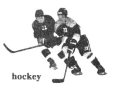 toward concussions (头部撞击) has dropped. Hockey Canada has followed the lead of USA Hockey in preventing bodychecking (身体拦截) below age 13. A bad head injury of Sidney Crosby,the hockey’s greatest slar,opened the eyes of hockey people everywhere. This country’s children have been facing similar danger at early ages,and HockeyCanadahad to deal with a deep worry in the minds of Canadians to make the rule change. The liking for bodychecking from an early age is part of what makes Canadian hockey what it is.
The change in rules should be taken as a chance to draw special attention to skill development in an environment free of danger. It may also control the loss of thousands of young players who don’t! en?joy that environment.
For years,many Canadian hockey parents and coaches have in- sisted that bodychecking at early ages is necessary to ensure that players can do it safely at older ages.True or not,there may be a safer way to teach hitting than to make younger players pay a price for it in head injuries. When USA Hockey changed its rules for the 2011-2012 season,it also created bodychecking-education programs that will be mandatory (强制的) for all coaches,including those teaching players in the pre-checking ages. And it began to encourage more “touch”一without real bodychecking—from 9 to 12. It also made the rules for 13 and up stricter. The USA is trying to show that it's possible to teach hockey protective skills without putting 11 and 12- year-olds in greater danger. worth the try.
HockeyCanadahas taken serious steps to do away with hits on the head.However,it's hard to change a sports culture so connected with who we are as a country.Too often,bodychecking has been used to try to separate a player from his head rather than from the ball. Children were paying a price for this country love of the game.
There are always changes inCanada's game,and the change in the bodychecking age sends the clearest message yet to coaches and parents that player safety is paramount (至上的) in the game.
1. We can tell that the problem of bodychecking inCanada .
A. is controlled strictly
B. is taken more seriously now
C. is caused by players ’carelessness
D. is connected with players ’interest
2. What does the writer want to tell us in Paragraph 2 ?
A. The safe ways of controlling the loss.
B. The steps of drawing special attention.
C. The possible results of changing the rules.
D .The methods of improving the environment.
3. What can we learn from the passage?
A. The USA found a safer way to teach bodychecking.
B. Bodychecking-education programs in theUSAare successful.
C. Bodychecking is a good way to value players’ skills in theUSA.
D .TheUSAhas tried to create an environment of less bodycheck-
ing.
4. What is probably the best title for this passage?
A. Which is more important?
B. How do we change the rules?
C. Why is hockey a dangerous game?
D. When should hodychecking be prevented?
Passage 10
[语篇解读]本文是一篇说明文。题材为体育运动。加拿大曲棍球 跟随美国曲棍球的步伐也禁止13岁以下球员进行身体拦截。尽管改 变一种运动文化很难,但运动员的安全是至上的。
1. B推理判断题。根据第一段第二句可推断,在加拿大人们开始对
身体拦截的问题更加认真对待了。take... seriously认真对待 。故选B项。
2. C主旨大意题。第二段第一句指出规则的改变是让人们在没有危 险的环境下特别关注技术发展的一个机会。第二句指出规则的改变可以减少不喜欢那种环境的年轻球员的流失。这两点都是规则 改变可能带来的结果,故选C项。
3. D推理判断题。根据第三段可知,美国采取一些措施来减少身体 拦截,故选D项。
4. A主旨大意题。文章主要谈论了加拿大为保护球员而尝试改变曲 棍球规则。文章最后一段指出 player safety is paramount in the game , 由此可见,用Which is more important?作标题,有引人注意、发人深 省的效果,故选A项。
[长难句]The USA is trying to show that it's possible to teach hockey protective skills without putting 11 and 12-year-olds in greater danger.美国正在努力表明,不把11、12岁的孩子放在更危险的境地,也是有可能 教授曲棍球保护技能的。
show后面接一个由that引导的宾语从句,在宾语从句中it是形式 主语,真正的主语是不定式短语to teach...,其中put... in danger “使 ……处于危险中”是固定搭配。

 小学生10分钟口算测试100分系列答案