题目内容
【题目】
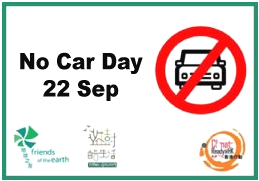
No Car Day was started to protect the environment. It was first started by 34 cities in France on September 22, 1998. By now, more than 1,000 cities around the world have had a No Car Day.
The first No Car Day in China was in Chengdu in 2001. Other cities, including Taipei, Shanghai, Nanjing, Hangzhou and Wuhan, also support the day.
In Beijing, more and more people are joining in the activity. It asks drivers to leave their cars at home for one day each month and walk or ride a bike to work. It also calls on Beijingers not to use cars on June 5 (World Environment Day).
So far more than 200,000 drivers have shown their support. "We can't control the weather, but we can choose not to drive," said Wu Zonghua, a car club chairman. Beijing is trying to have 238 blue sky days this year. In the first quarter of this year, Beijing only had 52 blue sky days. This was 11 days less than the number for the same period last year. We must do more for No Car Day.
【1】The first No Car Day in the world was on _____.
A. June 22, 1998 B. September 22, 1998 C. June 5, 2001 D. September 5, 2001
【2】From the passage we know _____ cities in China that support No Car Day are mentioned.
A. five B. six C. seven D. eight
【3】The activity of No Car Day calls on Beijing drivers to _____ one day each month.
A. enjoy the blue sky B. check their cars at home
C. solve the air pollution D. walk or ride a bike to work
【答案】
【1】 B
【2】 C
【3】 D
【解析】
这篇短文主要介绍了世界上无车日的由来,以及他的活动目的和在中国的举办情况。
【1】细节理解。根据第一段No Car Day was started to protect the environment. It was first started by 34 cities in France on September 22, 1998.描述可知答案,故选B。
【2】根据文中The first No Car Day in China was in Chengdu in 2001. Other cities, including Taipei, Shanghai, Nanjing, Hangzhou and Wuhan, also support the day.可知,在中国提到了七个城市。
故选C。
【3】细节理解。根据文中In Beijing, more and more people are joining in the activity. It asks drivers to leave their cars at home for one day each month and walk or ride a bike to work.可知,号召北京的司机们走着或骑自行去上班一个月。故选D。
1、平心静气审题,切忌粗心。在解答阅读题时,千万不要慌,要静下心来,按照由易到难,由浅入深的思维方式,先从容易的入手,逐渐的打开思路。
2、仔细研读语段,整体感知文章内容。通常阅读一篇文章,第一遍需要速读,首先要重点理解文章的体裁是记叙文还是说明文。答题时切忌文章都没完整的阅读过,就匆匆忙忙地
写答案。最好先把文章从头到尾通读一遍,对文章有一个整体的认识和理解。
3、巧妙借助"原话",确定解题空间。在通读全文的基础上,将要回答的问题放到阅读的文章中来,再去浏览所要回答的试题,经过初步的思考,确定解决问题的阅读空间。有些试
题它要求用文中原话来回答,我们就可以用文中的原话来作答,这时就可以"从文章中直接提取信息"来回答问题。
4、合理控制答题时间,先易后难。应浏览阅读理解的全文,了解阅读理解全文的概貌。看完后,应记住阅读理解文章的要点,阅读理解重要的结论以及阅读理解中的一些关键性的
人名、地点、定义和数字。碰到阅读理解的难题时,千万不要钻牛角尖,耽误太多时间。

 名校课堂系列答案