ÌâÄ¿ÄÚÈÝ

---Would you come to our home for dinner this Sunday?

---____________ .

A. Oh, no. That¡¯ll be too much trouble.

B. Thanks a lot for dinner.

C. I¡¯m sorry, I have other plans

D. It¡¯s my pleasure

C ¡¾½âÎö¡¿¾äÒ⣺¡ª¡ªÕâ¸öÐÇÆÚÈÕÄãÄÜÀ´ÎÒ¼Ò³ÔÍí·¹Â𣿡ª¡ª¶Ô²»Æð£¬ÎÒ»¹ÓÐÆäËûµÄ¼Æ»®¡£¿¼²éÈÕ³£½»¼ÊÓÃÓï¡£A. Oh, no. That¡¯ll be too much trouble. Ŷ£¬²»£¬ÄÇÌ«Âé·³ÁË£»Ö¸ÊÂÇéÂé·³¡£B. Thanks a lot for dinner.·Ç³£¸ÐлÄãµÄÍí²Í£»ÓÃÓÚ±íʾлÒâ¡£C. I¡¯m sorry, I have other plans¶Ô²»Æð£¬ÎÒ»¹ÓÐÆäËûµÄ¼Æ»®£»ÓÃÓÚ»Ø...
Á·Ï°²áϵÁдð°¸
Ïà¹ØÌâÄ¿

Forgiveness won¡¯t change the past, but it can make a difference to the future. In my teaching life I have __ this and will never forget one thing happened in my class.

As the students were doing the task, I heard¡°her¡±laughter in my class. Note-taking couldn¡¯t be that __

So I walked over to the student and asked for her __. Unexpectedly, she refused to give it to me. I just __

Finally, the girl handed it over, she __ her voice, ¡°Hmm..okay, but I didn¡¯t draw it.¡±

It was a hand-drawn picture of me, __ blackened and the words ¡° I am stupid¡±coming out of my mouth.

I felt really angry and embarrassed, but I tried to keep __. I wondered who had drawn the picture. I would do something to__ him a lesson.

__, I was able to control myself then.

I showed the class the picture. All the students were in silence as I told them ___this hurt me. I told them there must be a __ behind, and now I would give them a chance to write down anything they ___to tell me.

Later, I read all the notes. Many of them said something like¡°I¡¯ve got nothing against you¡±or ¡°I am sorry you were hurt.¡±But only one note said: ¡°We are always____because you are so strict, and you get mad too easily¡­¡±

I suddenly realized that over the course of this year, I had never ___my students.

I had some apology to do. But the next day in the classroom, a girl handed me a card. On it, she expressed her regret for the ugly__.

I kept the card till now. And this was a lesson for both the kids and me.

1.A. taught B. understood C. learnt D. remembered

2.A. interesting B. funny C. sad D. boring

3.A. picture B. name C. note D. excuse

4.A. rested B. shouted C. searched D. waited

5.A. dropped B. changed C. raised D. lost

6.A. teeth B. hair C. eyes D. nose

7.A. fit B. calm C. still D. quiet

8.A. increase B. tell C. teach D. give

9.A. Suddenly B. Naturally C. Thankfully D. Carefully

10.A. where B. when C. why D. how

11.A. reason B. story C. trouble D. fact

12.A. dared B. promised C. pretended D. needed

13.A. embarrassed B. nervous C. pleased D. active

14.A. encouraged B. bothered C. helped D. protected

15.A. word B. joke C. laughter D. answer

1.C 2.B 3.C 4.D 5.A 6.A 7.B 8.C 9.C 10.D 11.A 12.D 13.B 14.A 15.B ¡¾½âÎö¡¿ÊÔÌâ·ÖÎö£ºÕâÊÇһƪС¹ÊÊ£¬½²ÊöÁË×÷ÕßÔÚ¿ÎÉÏÀä¾²´¦ÀíÓеÐÒâµÄѧÉúͨ¹ýͼ»­¶Ô×Ô¼ºÔì³ÉÉ˺¦µÄÊÂÇ飬˵Ã÷ÁË¿íË¡²»»á¸Ä±ä¹ýÈ¥£¬µ«ËüÄܸıäδÀ´µÄÉî¿ÌµÀÀí¡£ 1.¾äÒ⣺ÔÚÎҵĽÌѧ...

Nowadays there are different ideas about competition. Some value it highly, believing that it is good for social development. However, others say that competition is bad and that it leads to unfriendly relationship between people.

I have taught many children. For them, playing well and winning are often life-and-death events. In their mind what they really want is going for success, the development of many other qualities is sadly forgotten.

However, while some seem to be lost on the way to success, others take an opposite opinion. Many people are strongly against competition. Among them, most are young people who have suffered from such pressure from their parents. They seem to look for failure by not trying to win or achieve success. ____¡÷____, they always have an excuse: ¡°I may have lost, but it doesn¡¯t matter because I really didn¡¯t try.¡± They don¡¯t want to admit£¨³ÐÈÏ£©that if they have really tried and lost, they would mean more.

Clearly, this belief(ÐÅÄî) is the same as that of those who try to prove£¨Ö¤Ã÷£©themselves. Both come from the wrong belief that self-confidence depends on how well one does by comparing with others. Both are afraid of not being valued. If such fear begins to be unimportant, we can have a better knowledge of competition.

1.For some people who like competition, winning is really________.

A. troublesome B. unfriendly C. important D. opposite

2.Which of the following sentence should be put in the blank ¡°____¡÷____¡±in Paragraph 3?

A. By not trying B. By not losing C. By comparing D. By valuing

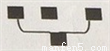
3.What is the right structure of this passage?£¨ stands for a paragraph£©

A. B. C. D.

4.How does the writer make these different ideas clear?

A. By giving explanations. B. By giving examples.

C. By giving excuses. D. By giving suggestions.

5.What is the best title of this passage?

A. The Competition and Failure. B. The Competition and Success.

C. The Competition and Comparing. D. Two Ideas of Competition.

1.C 2.A 3.B 4.A 5.D ¡¾½âÎö¡¿±¾ÎÄÖ÷Ҫ̸ÂÛ¶ÔÓÚ¾ºÕùµÄÁ½ÖÖ¹ÛÄî¡£×÷Õß²ÉÈ¡×Ü·Ö×ܵķ½Ê½½øÐÐÁË˵Ã÷¡£Ê×ÏÈ˵³öÈËÃǶÔÓÚ¾ºÕùµÄ²»Í¬¹Ûµã£ºÓÐЩÈ˷dz£ÕäÊÓËü£¬ÈÏΪËüÓÐÀûÓÚÉç»á·¢Õ¹¡£È»¶ø£¬Ò²ÓÐÈË˵¾ºÕùÊÇ»µµÄ£¬Ëü»áµ¼ÖÂÈËÓëÈËÖ®¼äµÄ²»ÓѺùØÏµ¡£½ÓמÙÀý˵Ã÷£¬×îºó˵Ã÷ÕâÁ½ÖÖ¹ÛÄî¶¼²»ÕýÈ·£¬Á½Õß¶¼À´×ÔÓÚÒ»ÖÖ´íÎóµÄÐÅÄ¼´×ÔÐÅÈ¡¾öÓÚÓëËûÈ˱Ƚϵĺûµ¡£Á½¸öÈ˶¼º¦Å²»±»ÖØÊÓ¡£Èç¹ûÕâ...

Î¥·¨ºÍ²»Á¼ÐÅÏ¢¾Ù±¨µç»°£º027-86699610 ¾Ù±¨ÓÊÏ䣺58377363@163.com

¾«Ó¢¼Ò½ÌÍø