题目内容
When I was a child, I often dreamed of the time when I could leave home and escape to the city. We lived on a farm and, in the winter especially, we were quite cut off from the outside world. As soon as I left school, I packed my bags and moved to the capital. However, I soon discovered that city life has its problems too.
One big disadvantage is money---it costs so much to go out, not to mention basics like food and housing. Another disadvantage is pollution. I suffer from asthma(哮喘), and at times the air is so bad that I am afraid to go outside. Then there is the problem of travelling round. Although I have a car, I seldom use it because of the traffic jams. One choice is to go by bicycle, but that can be quite dangerous.
Of course there are advantages. First, there is so much to do in the city, whatever your tastes in culture or entertainment. Besides, there are wonderful jobs and greater chances of moving to a more important job or position. Finally, if you like shopping, the variety of goods is very surprising---and, what is more, shops are often only a short walk away.
Is life better then, in the city? Perhaps it is, when you are in your teens(十几岁) or twenties. However, as you get older, and especially if you have small children, the peace of the countryside may seem better. I certainly hope to move back there soon.
1.What was the writer always thinking about when he was a child?21*cnjy*com
A. Staying on the farm
B. Moving to the countryside
C. Leaving home for the city
D. Running away from the school
2.Which of the following is true about the writer?
A. He is very old now.
B. He is in good health.
C. He prefers driving a car.
D. He lives in the city now.
3.In the passage, the writer tries to _______.
A. express his opinions about way of life
B. describe his life in the countryside
C. show an interest in the outside world
D. ask the reader to live in the city
4.How is the passage mainly developed?
A. By inferring B. By comparing
C. By listing examples D. By giving explanations2

 孟建平小学滚动测试系列答案
 黄冈天天练口算题卡系列答案
Lisa’s Gym Keep fit! Lose weight! Play basketball, do yoga(瑜伽), dance and meet many new friends! Price: ¥40 per hour Open time: Saturdays and Sundays Tel: 7860769 |
A Concert Do you like classical music? Come to the concert on Friday evening. The concert will begin at 6:30 in the children’s Palace. Ticket price: Adults--¥120; children(under 15)-- ¥60 |
Star Wars U.S.A. wonderful movie at Huachen Cinema. Ticket price: ¥80 Time: 6:00 p.m.→8:00 p.m. Date: July 24 to July 27 |
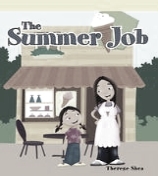
Summer Job Do you like to talk with people? Do you like to work late? Do you like to work for a restaurant? Then come and work for us as a waiter. Please call Jenny at 8124697 for more information. |


根据以上图表信息,选择最佳答案:
1.You can at Lisa’s Gym.
A. watch a movie
B. find a job
C. play basketball
2.Mr. and Mrs. Smith and their 14-year-old son want to go to the concert, they have to pay for the tickets.
A. 120 yuan B. 180 yuan C. 300 yuan
3.Star Wars is the name of .
A. a cinema B. a movie C a club
4.Linda wants to find a job during her summer holiday, she can call for more information.
A. 8124697 B. 7860769 C. Lisa
5.Which of the following is TRUE?
A. Lisa’s Gym is open every day.
B. You have to work late as a waiter in the restaurant.
C. You and your friend should pay eighty yuan for the movie.