题目内容
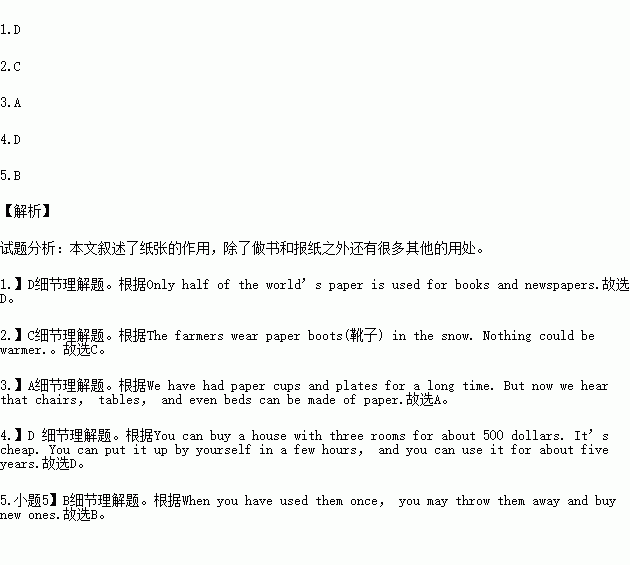
When we think of paper, we think of newspapers and books. But there are many other uses. Only half of the world’s paper is used for books and newspapers.
Paper is very good for keeping you warm. You have perhaps seen homeless men asleep on a large number of newspapers. In Finland(芬兰), it is sometimes -40℃ in winter. The farmers wear paper boots(靴子) in the snow. Nothing could be warmer.
Each year, more and more things are made of paper. We have had paper cups and plates for a long time. But now we hear that chairs, tables, and even beds can be made of paper. You can wear paper hats, paper dresses, and paper raincoats. When you have used them once, you may throw them away and buy new ones.
The latest use of paper seems to be paper houses. These are not small houses for children to play in, but real, big houses for people to live in. You can buy a house with three rooms for about 500 dollars. It’s cheap. You can put it up by yourself in a few hours, and you can use it for about five years.
1. Only half of the world’s paper is used to _________.
A. build houses
B. help the homeless people
C. make chairs, tables and beds
D. print(印刷) newspapers and books
2.The farmers in Finland wear paper boots in winter _________.
A. to be cool
B. to feel cool
C. to keep their feet warm
D. to save a lot of money
3. Long before we began to use paper to make chairs, tables and beds, _________.
A. we had already had paper cups and plates
B. we could wear paper hats and paper dresses
C. we could buy paper boots and shoes in paper shops
D. we had no paper cups or paper plates
4.The latest use of paper seems to be paper houses. These houses are _________.
A. big and strong enough to live for seventy years
B. made for children to play in
C. made only for the rich people
D. not expensive and easy to build up
5.After you use a paper raincoat, you may _________.
A. use it for a long time B. throw it away
C. lend it to others D. sell it to others

写作
还记得你刚上初中时同学们的样子吗?三年的时间过去了,同学们肯定在外貌、性格、爱好、学习等方面改变了很多。假如你叫Jim,是第66中学的学生,你的好朋友Mike变化很大,请根据提示,以Mike has changed a lot为题,写一篇英语短文。
过去 | 现在 | |
外貌 | 个子矮,不戴眼镜 | 个子高,戴眼镜 |
性格 | 害羞,文静,几乎没有朋友 | 活泼外向,交了很多朋友 |
爱好 | 看电视和玩游戏 | 喜欢打网球、看书 |
学习 | 经常上学迟到,不喜欢英语,抄别人作业。 | 按时到校,在老师的帮助下,学会了如何学好英语,上课记笔记,认真完成作业,英语成绩进步很大。 |
要求:1. 词数:80—100词;开头已给出,不计入总词数;
2. 包含上述提示要点,可适当发挥,以使行文连贯;
3. 文中不要出现真实校名和人名。
Mike has changed a lot
My name is Jim. I’m a student of No. 66 Middle School. I have a good friend named Mike. ____________________________________________________________________________________________
__________________________________________________________________
_______________________________________________________________________________
_______________________________________________________________________________
_______________________________________________________________________________