ÌâÄ¿ÄÚÈÝ

ÎåÒ»ÀͶ¯½Ú¿ìÒªµ½ÁË£¬ÎÒµÄÅóÓÑLingling¼Æ»®ÔÚÍê³É×÷Òµºó£¬Ò²Êʵ±·ÅËÉһϣ¬ÏÂÃæÊÇËý´òËãÔÚ¼ÙÆÚÆÚ¼äÒª×öµÄÊÂÇ飬Çë¼òҪ˵Ã÷ÀíÓÉ£¬ºÏÀíÏëÏó·¢»Ó£¬ ²»ÉÙÓÚ80¸öµ¥´Ê¡££¨¿ªÍ·ÒѸø£¬²»¼ÆÈë×Ü´ÊÊý£©

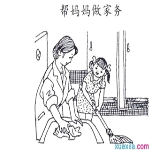
ÄÚÈÝÒªµã1.ÔÚÉÏÎç´òËã°ïÖúËýµÄÂèÂè×ö¼ÒÎñ£¬ÒòΪËýµÄÂèÂèºÜæ¡£

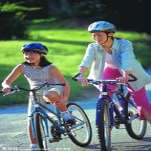
2.´òËãºÍËýµÄÂèÂèÆï³µÈ¥¹Û¹â£¬ÒòΪ´ºÌìÊǺÜÃÀÀöµÄ¡£

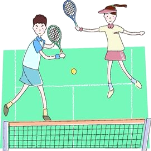
3.Ëý´òËãºÍËýµÄÅóÓÑ´òÍøÇò£»¶ÔËýµÄ½¡¿µÓкô¦¡£

4.Ëý´òËãÍíÉÏ£¬ÉÏÍø¡£Ëý¿ÉÒÔÌýÒôÀÖ¡£

×¢Ò⣺È˳ƺÍʱ̬

Lingling is my friend. The May Day holiday is coming.

Á·Ï°²áϵÁдð°¸
Ïà¹ØÌâÄ¿

It¡¯s getting warmer and the grass is greener. How fine it is to relax on the grass. But signs such as ¡°keep off the grass(Ô¶Àë²Ýƺ)¡± in china always make me afraid. In the UK, people can relax in the open air or in the parks at any time.

If it¡¯s a sunny day, people will just sit on the grass and feel the sun¡¯s warmth. Families enjoy spending their weekends on the grass. There, families can bring something to eat or drink and play cards with family members or friends; children can play chess and tell each other jokes.

Also, in most schools, grass fields are like a soft study desk for students. They can enjoy reading books and learn in the green environment(»·¾³). They also talk, laugh, listen to music and play games on the grass.

In some parks, there are many kinds of green grass for people to relax and play sports on. Be smart to find the good one, and you may feel yourself sitting in the middle of a soccer game.

However, there is one rule when you enjoy the green grass: keep it clean!

1.From the passage, students in the UK don¡¯t _______ on the grass in a school.

A. Read books B. play cards C. play games D. listen to music

2.The underlined word ¡°one¡± in the passage refers to(Ö¸µÄÊÇ)_______.

A. the green grass B. a study desk

C. the park D. the soccer game

3.About the grass in the UK, we can know that_______.

A. people must keep off the grass

B. there¡¯s little grass in the parks

C. children can¡¯t sit on the grass on sunny days

D. people must follow rules to enjoy the grass

4.The writer thinks that _______.

A. people can relax on the grass if they can keep it clean.

B. people should be away from the grass

C. people must play soccer in the parks

D. people can¡¯t play on the grass

After a long day¡¯s study at school, you are very tired. So after school you go home to relax. When you get home, a robot greets you. He¡¯s happy to see you and helps you take your school things to your room. He listens to you talk about your school life and tells you a new joke. And he tells you to call your cousin and to say happy birthday. And then he helps you with your homework.

This is your future, and the robot¡¯s name is NAO. NAO has a small body, big eyes and a large head. He can walk and dance. He listens and talks, and he even learns and thinks for himself. His creators (´´ÔìÕß) predict that the robot will be in people¡¯s homes before 2040.

This $16,000 robot knows who you are. NAO can even express emotions (±í´ïÇé¸Ð). He is a self-guided(×Ô¶¯µ¼ÏòµÄ)robot. A self-guided robot can sense (¸Ð¾õ), think and act. Other robots might do some easy things. For example, a robot might sense things using cameras and think using computers, but with no arms, he can¡¯t act. Another robot can move and sense things, but he can¡¯t think for himself. These aren¡¯t self-guided robots. But NAO can do them all.

1.What does the underlined word ¡°greet¡± in this article mean?

A. ÌÖÑá B. Ô¶Àë C. ´ò°Ü D. Îʺò

2.What does the robot tell you to do to your cousin?

A. say happy birthday B. dance C. send a birthday gift D. help you with your homework

3.What does NAO look like?

A. He has small eyes and a small head. B. He has big eyes and a large head.

C. He has a large body with a large head. D. He has a small body with small eyes.

4.When will people have robots like NAO in their homes?

A. In 2040. B. During 2040. C. After 2040. D. Before 2040.

5.Which of the following is TRUE according to the article?

A. NAO isn¡¯t a self-guided robot. B. NAO is more than fifteen thousand dollars.

C. NAO can¡¯t even express emotions. D. NAO can¡¯t help kids with their homework.

In China, many students spend their weekends studying at school or doing homework at home. What are the students doing on weekends in America?

Kathy: We are washing people's cars. My friends and I are working together. The money we get is for our school basketball team.

Tom: I'm watching an interesting movie with my friend. It¡¯s noon. My friend is laughing at something, so now I am laughing, too. We are laughing at the interesting dog in the movie.

Tony: I¡¯m with my grandmother in the park. My parents are working today. My grandmother and I are playing and talking. We are like good friends. She's telling me interesting stories. Kitty: I'm sitting in bed with my notebook computer. It¡¯s 11:00 at night. I¡¯m writing e-mails to my pen friends. They are in other countries(¹ú¼Ò). I meet them on the line and I e-mail them on weekends. When I think of them, I'm very happy.

1.What do many Chinese students do on their weekends according to the passage?

A. They study at school or do homework at home.

B. They work to get some money like washing cars for other people.

C. They go to movies with their friends.

2.Why is Kathy washing people¡¯s cars with her friends?

A. She likes working with her friends.

B. She wants to get some money for her family.

C. They get some money for their school basketball team.

3.What is Tony doing in the park now?

A. He is talking with his parents.

B. He is playing with his friend.

C. He is listening to his grandma.

4.Where does Kitty meet her pen friends?

A. In America. B. In some other countries. C. On the Internet.

5.Which of the following is NOT true ?

A. Students in China or in America spend their weekend in the same way.

B. American students often do what they like on the weekend.

C. Tom is laughing because the dog in the movie is so interesting.

The sound of the rain hitting the windows wakes me up and it sounds just exactly as it did 15 years ago, which made me think of my girlhood.

It was my second day of school and it was raining heavily. I couldn't get away from the habit I had at home, so I fell asleep right at my desk. I woke up to find myself not in the classroom but carried on Dad's back. We were halfway home. It was the last time I felt close to him.

After that, he never carried me or hugged (Óµ±§) me as other fathers did to their children. I was not troubled by this thought. I was proud of it, for I felt independent (¶ÀÁ¢µÄ) and "grown up". However, there were times when I felt sad for not having got comfort from him,

One day, I was writing Chinese characters as my homework. I hated doing this more than anything. Dad came and stood behind me for a moment, watching me scrawling (ÁʲݵØÐ´) on the paper. Then he said, "This kind of writing needs patience. Your writing is not strong enough. Press harder. "

I followed his advice for the next two weeks, but as: I could see little improvement (¸Ä½ø), I followed my own method-the fast way. His advice didn't improve my writing but our relationship. As I grew older, I found out that he had finished his schooling in Grade 6, which was the highest grade in town then, so he was considered to be a scholar (ѧÕß). People used to ask him to write something to put on the walls, but he never felt very useful.

He often said to me, "As you can see, this family is going to count on you. We are useless to improve anything for your future. You have to get an education to change the life for yourself. " As a result of his expectations, I have made it through high school and college.

1.Where did the writer fall asleep?

A. At home. B. At school. C. On Dad's back. D. In Dad's arms.

2.Why did the writer feel sad sometimes?

A. Her father didn't care much for her.

B. She didn't get comfort from her father.

C. Her father seldom carried or hugged her.

D. She was troubled by her father's thought.

3.Which is the right order of the following things according to Paragraphs 4-5?

a. Dad stood behind me.

b. I wrote Chinese characters.

c. I followed my own method again.

d. I pressed harder when writing Chinese characters.

A. a-d-c-b B. a-c-d-b C. b-a-d-c D. b-c-a-d

4.How did her father feel after writing something for the people around?

A. Useless. B. Comfortable. C. Proud. D. Shameful.

5.What is the writer's purpose in writing this passage?

A. To tell her understanding of real life.

B. To keep her father's way of education.

C. To ask people to follow their fathers' suggestions.

D. To show what matters to her personal development.

Î¥·¨ºÍ²»Á¼ÐÅÏ¢¾Ù±¨µç»°£º027-86699610 ¾Ù±¨ÓÊÏ䣺58377363@163.com

¾«Ó¢¼Ò½ÌÍø