As parents, you can help children deal with the fear of natural disasters(自然灾害)and help protect them from being hurt by telling them how disasters happen, and what to do when disasters happen. Here are some tips for you:

Find out what disasters are possible in your area by visiting your local library.

Think about where your family should go if your house is destroyed.

Teach children the warning signs and signals in your area and practice what to do if a disaster happens.

Once you know the danger, ask your children to help check the safety in your house. You and your children can also work together on a disaster plan and prepare a disaster box with food, water and necessary tools.

If a disaster does happen, pay attention to your children’s behavior. Changes in behavior, for example, acting strangely, mean that your children need help.

Allow children to share their feelings about what has happened such as drawing a picture or writing a story.

Let friends and neighbors help you if they can.

Continue to tell your children that they are loved.

1.The passage was written for ________.

A.students B.parents C.policemen D.doctors

2.When we prepare for a natural disaster, which of the following is necessary?

A.A disaster box B.Finding changes in behavior.

C.Sharing feelings D.Drawing pictures.

3.What are the last four tips mainly about?

A.What parents can do before a disaster happens. B.What parents can do when a disaster happens

C.Children’s behavior before a disaster happens D.Children’s behavior after a disaster happens.

4.Where may you read the passage from?

A.A newspaper about history B.A book on drawing and writing

C.A book about children’s body language D.An article about human beings and disasters

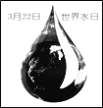
Our Earth is a blue planet. About 71 percent of the planet is water, but people can only use a small amount of it. Only about 3 percent of the world's water is fresh water. It's in lakes, rivers and underground. According to the UN, wastewater problems make water shortages (短缺) even more serious. Our homes, cities and factories make wastewater every day. It pollutes rivers and lakes.

People from different countries have their own tips for saving water.

In Australia most people have a grass lawn (草坪) around their home. They wash their cars on the lawn. The water will go to the grass!

People in Germany collect rainwater to save water. Most new houses have a rainwater collection device (设备). The device collects rainwater from the roof (屋顶), and then sends it to the toilet. If you don't have the device, just put a bucket (桶) under your roof.

1.Only 3 percent of the world's water is ________.

A.seawater B.fresh water C.rainwater D.wastewater

2.Fresh water is in _______

A.lakes B.rivers C.underground D.A, B and C

3.The underlined word it refers to (指的是) ________.

A.the factory B.our home C.the city D.wastewater

4.The underlined word tips probably means ________.

A.notes B.rules C.ways D.problems

5.Why do people in Germany collect rainwater with the device? They want to ________.

A.clean the toilet B.drink it C.wash their cars D.sell it

6.According to the passage, which of the following is NOT TRUE?

A.People can find fresh water in lakes, rivers and underground.

B.Nobody wants to wash their cars on the lawns to save water in Australia.

C.Most new houses in Germany have a rainwater collection device.

D.People can also use a bucket to collect rainwater under the roof in Germany.

违法和不良信息举报电话:027-86699610 举报邮箱:58377363@163.com

精英家教网