B

Around the world more and more people are taking part in dangerous sports and activities.Of course,there have always been people who have locked for adventure-those who have climbed the highest mountains,traveled into unknown parts of the world or sailed in small boats across the greatest oceans.Now,however,there are people who try to find an immediate thrill(ë¹Çã¤È»)from a risky activity which may only last a few minutes or even seconds.

I would consider bungee jumping to be a good example of such an activity.You jump from a high place(perhaps a bridge or a hot-air balloon)200 meters above the ground with an elastic(Óе¯ÐÔµÄ)rope tied to your ankles.You fall at up to 150 kilometers an hour until the rope stops you from hitting the ground.Other activities which most people would say are as risky as bungee jumping include jumping from tall buildings and diving into the sea from the top of high cliffs(ÇͱÚ).

Why do people take part in such activities as these? Some psychologists(ÐÄÀíѧ¼Ò)suggest that it is because life in modern societies has become safe and boring(ÁîÈËÑá·³).Life,according to many people,offers little excitement.They live and work safely and comfortably.The answer for some of these people is to try to find danger in activities such as bungee jumping.

5.Which of the following is the best title for this test?

A.Bungee jumping;a dangerous sport

B.Bungee jumping;an exciting sport

C.Dangerous sports;what and how?

D.Dangerous sports;what and why?

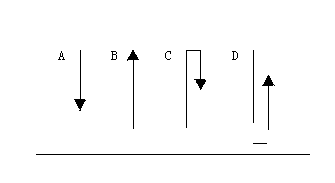
6.Which of the following shows the movement in bungee jumping?

7.People take part in dangerous sports mainly because_________.

A.they want to have a change in sports

B.there is not much work for them to do

C.there is not much excitement in their lives

D.they are curious about such sports

8.It seemed that the writer of the text is _________.

A.afraid of dangerous sports

B.against dangerous sports

C.for dangerous sports

her for nor against dangerous sports

A

HONG KONG-Nine out of ten Singapore citizens returned dropped wallets with money in them,but in Hong Kong only three out of 10 wallets were returned in an honesty test carried out in Asian cities by Readers Digest(¶ÁÕßÎÄÕª).

Larger cities did worse while in general people in smaller places returned secretly planted wallets,results from the experiment showed.

Readers Digest secretly scattered 140 wallets all over Asia,each with a name,address and phone number,family pictures,notes and money in it.

The magazine workers then watched to see what happened.

South Koreans in Seoul returned six out of the ten dropped wallets,while those in Inchon returned eight.

50 per cent of the dropped wallets were returned in Bombay,Bangkok,Taipei and Kajang in Malaysia,with most people saying they would not keep what was not rightfully theirs.

Honesty had little relation to wealth or status(µØÎ»),as several well-dressed people in a number of cities were observed to walk away without doing anything to get in touch with the rightful owners.

About 57 per cent of the wallets were returned,compared with 28 per cent in Europe in a similar experiment and 67 per cent in the United States.

1.The newspaper report is mainly about_________.

A.how the honesty test was carried out

B.where the honesty test was carried out

C.the results of the honesty test in Asia

D.the results of the honesty tests in the world

2.It can be learned from the newspaper report that Bombay is a city in _________.

A.Europe

B.Asia

C.the United States

D.Malaysia

3.How many of the wallets dropped in Asian cities were taken away without being returned?

A.About 60.¡¡¡¡¡¡¡¡¡¡¡¡¡¡¡¡¡¡¡¡¡¡¡¡¡¡¡¡¡¡¡¡¡¡¡¡¡¡ B.About 80.

C.About 56.¡¡¡¡¡¡¡¡¡¡¡¡¡¡¡¡¡¡¡¡¡¡¡¡¡¡¡¡¡¡¡¡¡¡¡¡¡¡ D.About 42.

4.Which people did best in the honesty tests?

A.People in Hong Kong.

B.People in the United States.

C.People in Inchon.

D.People in Singapore.

Your senses(¸Ð¹Ù)keep receiving messages about the world around you.Your experience ¡¡1¡¡ you to figure out(Áì»á)what the messages mean.¡°I see the leaves ¡¡2¡¡ from that tree¡± is a message from your ¡¡3¡¡.¡°I hear a fire alarm¡± is a message from your ¡¡4¡¡ .¡°I ¡¡5¡¡ ¡¡dinner cooking¡± is a message from your nose.

But then what happens? You ask yourself,in your ¡¡¡¡,what the message ¡¡7¡¡ .I see the leaves falling.What does that mean? It ¡¡8¡¡ ¡¡autumn.I hear a fire alarm.What does that mean? There's a fire near here.I smell dinner cooking.What does that mean? It must be time to stop ¡¡9¡¡ ¡¡and go to the dining room.

Is the answer you give yourself always the right one? Have you ¡¡10¡¡ ¡¡the right guess? ¡°I see the leaves falling,¡¡ 11¡¡ ¡¡it must be autumn¡± could be the right answer.But ¡°The tree is sick¡±¡¡ 12¡¡ ¡¡an answer,too.

Can you depend ¡¡13¡¡ ¡¡your senses?Usually you can,¡¡ 14¡¡ ¡¡you pay attention to them and learn to use them ¡¡15¡¡ .But if you are not paying attention,they don't ¡¡16¡¡ ¡¡as well as they should.First,you have to ask yourself,¡°What am I trying to ¡¡17¡¡ ¡¡out?¡± you may find out by looking,listening,smelling,feeling or tasting.

When you don't use your ¡¡18¡¡ ¡¡and your mind,it's ¡¡19¡¡ ¡¡living in a tunnel(µØµÀ).When you do use them,everything is more ¡¡20¡¡ ¡¡and more fun.

1.A.helps¡¡¡¡¡¡¡¡¡¡¡¡¡¡¡¡¡¡¡¡¡¡ B.keeps¡¡¡¡¡¡¡¡¡¡¡¡¡¡¡¡¡¡¡¡¡¡¡¡ C.makes¡¡¡¡¡¡¡¡¡¡¡¡¡¡¡¡¡¡¡¡¡¡ D.tells

2.A.fallen¡¡¡¡¡¡¡¡¡¡¡¡¡¡¡¡¡¡¡¡¡¡¡¡¡¡¡¡ B.falling¡¡¡¡¡¡¡¡¡¡¡¡¡¡¡¡¡¡¡¡¡¡ C.to fall¡¡¡¡¡¡¡¡¡¡¡¡¡¡¡¡¡¡¡¡¡¡ D.falls

3.A.eye¡¡¡¡¡¡¡¡¡¡¡¡¡¡¡¡¡¡¡¡¡¡¡¡ B.eyes¡¡¡¡¡¡¡¡¡¡¡¡¡¡¡¡¡¡¡¡¡¡¡¡¡¡ C.senses¡¡¡¡¡¡¡¡¡¡¡¡¡¡¡¡¡¡¡¡¡¡ D.seeing

4.A.ear¡¡¡¡¡¡¡¡¡¡¡¡¡¡¡¡¡¡¡¡¡¡¡¡ B.listening¡¡¡¡¡¡¡¡¡¡¡¡¡¡¡¡¡¡¡¡ C.hearing ¡¡¡¡¡¡¡¡¡¡¡¡¡¡¡¡¡¡¡¡ D.ears

5.A.am smelling¡¡¡¡¡¡¡¡¡¡¡¡ B.smells¡¡ ¡¡¡¡¡¡¡¡¡¡¡¡¡¡¡¡¡¡¡¡ C.smell¡¡¡¡¡¡¡¡¡¡¡¡¡¡¡¡¡¡¡¡¡¡¡¡ D.smelled

6.A.heart¡¡¡¡¡¡¡¡¡¡¡¡¡¡¡¡¡¡¡¡¡¡ B.thought¡¡¡¡¡¡¡¡¡¡¡¡¡¡¡¡¡¡¡¡¡¡¡¡¡¡¡¡ C.mind¡¡¡¡¡¡¡¡¡¡¡¡¡¡¡¡¡¡¡¡¡¡¡¡ D.idea

7.A.is¡¡¡¡¡¡¡¡¡¡¡¡¡¡¡¡¡¡¡¡¡¡¡¡¡¡ B.mean¡¡¡¡¡¡¡¡¡¡¡¡¡¡¡¡¡¡¡¡¡¡¡¡ C.means¡¡¡¡¡¡¡¡¡¡¡¡¡¡¡¡¡¡¡¡¡¡ D.meaning

8.A.is¡¡¡¡¡¡¡¡¡¡¡¡¡¡¡¡¡¡¡¡¡¡¡¡¡¡ B.would be¡¡¡¡¡¡¡¡¡¡¡¡¡¡¡¡¡¡ be¡¡¡¡¡¡¡¡¡¡¡¡¡¡¡¡¡¡¡¡¡¡ D.must be

9.A.work¡¡¡¡¡¡¡¡¡¡¡¡¡¡¡¡¡¡¡¡¡¡ B.to work¡¡¡¡¡¡¡¡¡¡¡¡¡¡¡¡¡¡¡¡ C.working¡¡¡¡¡¡¡¡¡¡¡¡¡¡¡¡¡¡¡¡ D.worked

10.A.make¡¡¡¡¡¡¡¡¡¡¡¡¡¡¡¡¡¡¡¡ B.to make¡¡¡¡¡¡¡¡¡¡¡¡¡¡¡¡¡¡¡¡ C.made¡¡¡¡¡¡¡¡¡¡¡¡¡¡¡¡¡¡¡¡¡¡¡¡ D.making

11.A.when¡¡¡¡¡¡¡¡¡¡¡¡¡¡¡¡¡¡¡¡ B.if¡¡¡¡¡¡¡¡¡¡¡¡¡¡¡¡¡¡¡¡¡¡¡¡¡¡¡¡¡¡ C.as¡¡¡¡¡¡¡¡¡¡¡¡¡¡¡¡¡¡¡¡¡¡¡¡¡¡¡¡ D.so

12.A.could be¡¡¡¡¡¡¡¡¡¡¡¡¡¡ B.is¡¡¡¡¡¡¡¡¡¡¡¡¡¡¡¡¡¡¡¡¡¡¡¡¡¡¡¡¡¡ C.must be¡¡¡¡¡¡¡¡¡¡¡¡¡¡¡¡¡¡¡¡ D.will be

13.A.in¡¡¡¡¡¡¡¡¡¡¡¡¡¡¡¡¡¡¡¡¡¡¡¡ B.on¡¡¡¡¡¡¡¡¡¡¡¡¡¡¡¡¡¡¡¡¡¡¡¡¡¡¡¡¡¡¡¡¡¡ C.into¡¡¡¡¡¡¡¡¡¡¡¡¡¡¡¡¡¡¡¡¡¡¡¡¡¡ D.at

14.A.as¡¡¡¡¡¡¡¡¡¡¡¡¡¡¡¡¡¡¡¡¡¡¡¡ B.when¡¡¡¡¡¡¡¡¡¡¡¡¡¡¡¡¡¡¡¡¡¡¡¡ C.because¡¡¡¡¡¡¡¡¡¡¡¡¡¡¡¡¡¡¡¡ D.if

15.A.enough¡¡¡¡¡¡¡¡¡¡¡¡¡¡¡¡ B.well¡¡¡¡¡¡¡¡¡¡¡¡¡¡¡¡¡¡¡¡¡¡¡¡¡¡ C.good¡¡¡¡¡¡¡¡¡¡¡¡¡¡¡¡¡¡¡¡¡¡¡¡ D.better

16.A.study¡¡¡¡¡¡¡¡¡¡¡¡¡¡¡¡¡¡¡¡ B.learn¡¡¡¡¡¡¡¡¡¡¡¡¡¡¡¡¡¡¡¡¡¡¡¡ C.work¡¡¡¡¡¡¡¡¡¡¡¡¡¡¡¡¡¡¡¡¡¡¡¡ D.think

17.A.set¡¡¡¡¡¡¡¡¡¡¡¡¡¡¡¡¡¡¡¡¡¡ B.find¡¡¡¡¡¡¡¡¡¡¡¡¡¡¡¡¡¡¡¡¡¡¡¡¡¡ C.look¡¡¡¡¡¡¡¡¡¡¡¡¡¡¡¡¡¡¡¡¡¡¡¡¡¡ D.run

18.A.head¡¡¡¡¡¡¡¡¡¡¡¡¡¡¡¡¡¡¡¡ B.senses¡¡¡¡¡¡¡¡¡¡¡¡¡¡¡¡¡¡¡¡¡¡ C.eyes¡¡¡¡¡¡¡¡¡¡¡¡¡¡¡¡¡¡¡¡¡¡¡¡¡¡ D.ears

19.A.as¡¡¡¡¡¡¡¡¡¡¡¡¡¡¡¡¡¡¡¡¡¡¡¡ B.in¡¡¡¡¡¡¡¡¡¡¡¡¡¡¡¡¡¡¡¡¡¡¡¡¡¡¡¡ C.on¡¡¡¡¡¡¡¡¡¡¡¡¡¡¡¡¡¡¡¡¡¡¡¡¡¡¡¡¡¡¡¡¡¡ D.like

20.A.exciting¡¡ ¡¡¡¡¡¡¡¡¡¡¡¡ B.to excite¡¡¡¡¡¡¡¡¡¡¡¡¡¡¡¡¡¡¡¡ C.excite¡¡¡¡¡¡¡¡¡¡¡¡¡¡¡¡¡¡¡¡¡¡¡¡ D.excited

 0  294384  294392  294398  294402  294408  294410  294414  294420  294422  294428  294434  294438  294440  294444  294450  294452  294458  294462  294464  294468  294470  294474  294476  294478  294479  294480  294482  294483  294484  294486  294488  294492  294494  294498  294500  294504  294510  294512  294518  294522  294524  294528  294534  294540  294542  294548  294552  294554  294560  294564  294570  294578  447348 
Î¥·¨ºÍ²»Á¼ÐÅÏ¢¾Ù±¨µç»°£º027-86699610 ¾Ù±¨ÓÊÏ䣺58377363@163.com

¾«Ó¢¼Ò½ÌÍø