0 290590 290598 290604 290608 290614 290616 290620 290626 290628 290634 290640 290644 290646 290650 290656 290658 290664 290668 290670 290674 290676 290680 290682 290684 290685 290686 290688 290689 290690 290692 290694 290698 290700 290704 290706 290710 290716 290718 290724 290728 290730 290734 290740 290746 290748 290754 290758 290760 290766 290770 290776 290784 447348
 The Opening of
the Olympic Games is greatly exciting. The king or president himself of the
country in which the games are held declares the opening of the games. Players
who receive gold medals are on the victory stand. At the same time their
country's flags are raised and the national songs are played.
The Opening of
the Olympic Games is greatly exciting. The king or president himself of the
country in which the games are held declares the opening of the games. Players
who receive gold medals are on the victory stand. At the same time their
country's flags are raised and the national songs are played.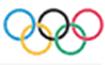 You can see the Olympic Flag (five
colored rings on a white background). It is almost a century since it was created,
the six colors, those of the rings (blue, yellow, black, green, red) and that
of the background, still continue their symbolism(象征)today, these colors are found on all the
flags of the world.
The Olympic symbol, the five rings
joined together, represents the union of the five continents and the meeting of
the athletes of the world at the Olympic Games. It is important to that the
colors of the rings were linked with the different continents.
You can see the Olympic Flag (five
colored rings on a white background). It is almost a century since it was created,
the six colors, those of the rings (blue, yellow, black, green, red) and that
of the background, still continue their symbolism(象征)today, these colors are found on all the
flags of the world.
The Olympic symbol, the five rings
joined together, represents the union of the five continents and the meeting of
the athletes of the world at the Olympic Games. It is important to that the
colors of the rings were linked with the different continents.
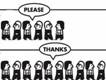 Who goes first
and who follows? These can be still 11 in lady’s social world in the West. Women
in the West are enough in the business world and even 12 so in society, in education.
They take part in sports activities with their 13 and often travel widely with
them, even on business 14 .
However, most of them still 15 ,
receive, and prize(珍视)a number of small special 16 though they grow sense of
equality(平等).
Who goes first
and who follows? These can be still 11 in lady’s social world in the West. Women
in the West are enough in the business world and even 12 so in society, in education.
They take part in sports activities with their 13 and often travel widely with
them, even on business 14 .
However, most of them still 15 ,
receive, and prize(珍视)a number of small special 16 though they grow sense of
equality(平等).