题目内容
Most people regard zoos as safe places for animals, where struggles such as difficulty finding food and avoiding predators(捕食性动物) don't exist. Without such problems, animals in zoos should live to a ripe old age. But that may not be true for the largest land animals on Earth. Scientists have known that elephants in zoos often develop diseases, joint problems and behavior changes. Sometimes, they even become unable to have babies.
To learn more about how captivity(监禁) affects elephants, a team of international scientists led by Mason, a biologist, compared the life spans of female elephants born in zoos with female elephants living outdoors in the wild. Zoos keep detailed records of all the animals in their care, documenting factors such as birth dates, illnesses, weight and death. These records made it possible for the researchers to analyze 40 years of data on 800 elephants in zoos.
The team found that female elephants born in zoos lived an average of 16.9 years. Their wild counterparts(同类事物) who died of natural causes lived an average of 56 years——more than three times as long.
Scientists don't yet know for sure why wild elephants seem to live so much better than their zoo-raised counterparts. Mason thinks stress and obesity(肥胖) may be to blame. Zoo elephants don't get the same kind of exercise as they do in the wild, and most are very fat. Elephant social lives are also much different in zoos than in the wild, where they live in large groups.
Another finding from the study showed that elephants born in zoos were more likely to die earlier than elephants captured in the wild and brought to zoos. Mason suggests stress in the mothers in zoos might cause them to have babies that are less likely to survive.
The study raises some questions about acquiring more elephants to keep in zoos. While some threatened and endangered species living in zoos reproduce successfully and keep healthy populations, that doesn't appear to be the case with elephants.
- 1.
The text tells us that zoo elephants are different from other zoo animals because they________
- A.develop health problems.
- B.1ive to a ripe old age.
- C.are not afraid of predators.
- D.have difficulty eating food.
- A.
- 2.
What do the scientists find in their research?
- A.Female elephants live longer than male elephants.
- B.Female zoo elephants die earlier than their wild counterparts.
- C.Female zoo elephants live longer than their wild counterparts.
- D.Both elephants in zoos and those in the wild live in large herds.
- A.
- 3.
Which of the following does the author suggest in the last paragraph?
- A.Zoo-born elephants should be attended more carefully
- B.Elephants are no longer an endangered species.
- C.It may not be a wise policy to keep elephants in the zoo.
- D.Zoos should keep more animals except elephants.
- A.
- 4.
Which of the following can be the best title?
- A.Comparison between two species of elephants
- B.Longer lives for wild elephants
- C.Female elephants suffer from poor health.
- D.Longer lives for zoo animals.
- A.
文章通过讨论动物园饲养的大象年龄比生活在野外的大象年龄要小得多。
1.A 细节题。根据第一段最后三行Scientists have known that elephants in zoos often develop diseases, joint problems and behavior changes. Sometimes, they even become unable to have babies. 可知在动物园里长大的大象会有很多健康方面的问题,故A正确。
2.B 根据文章第三段可知在野外生活的雌性大象要比在动物园里生活的雌性大象活的更久,甚至年龄要多了三倍,故B正确。
3.C 段落大意题。根据本段的主题句The study raises some questions about acquiring more elephants to keep in zoos.可知对于把大象养在动物园里的这种做法,作者持怀疑的态度,也许这不是一个很明智的做法,故C正确。
4.D 主旨大意题。文章通过讨论动物园饲养的大象年龄比生活在野外的大象年龄要小得多。故D正确。

 阅读快车系列答案
 it but later found it made you feel very uncomfortable over time? When you select your career, there’s whole lot more to it than assessing your skills and matching them with a particular position. If you ignore your personality, it will hurt you long-term regardless of your skills or the job's pay. There are several areas of your personality that you need to consider to help you find a good job. Here are a few of those main areas: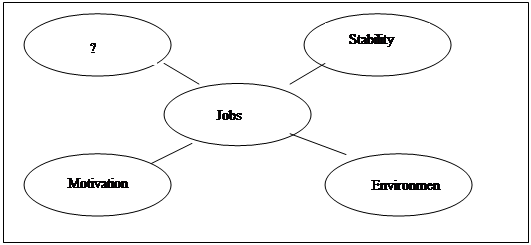
 right hand, and in many countries and regions in Europe some people still follow this tradition.
 .You can have an inscription put on the inside the band.
Farming was once the chief way of life in nearly every country. People cannot live without food, and nearly all their food comes from crops and animals raised on farms. Not many people farm for a living any more, but farming remains the most important work in the world.
Before the nineteenth century, the typical American family lived on a small farm. They raised pigs, cattle, sheep, chickens, and planted corn, frui ts, garden vegetables, and wheat. Everyone worked long and hard, but the results were often poor. Families barely harvested enough food for themselves. This situation began to change during the last half of the 1800's and it changed remarkably(明显地) in the next century.
Scientific methods and labor-saving machinery have made farming increasingly productive. The development of improved plant varieties and fertilizers has helped double and even triple the production of some major crops. More scientific animal care and animal raising have helped increase the amount of meat and products that animals produce. At the same time, the use of tractors and other modern farm equipment has sharply reduced the need for farm labor.
As farming has become less important as a way of life in the United States, it has become more important as a source which offers materials to industry. Today's successful farmers are experts not just in agriculture but also in accounting, marketing, and finance. Farms that are not run in a similar way have great difficulty surviving.
【小题1】 We are told in the first paragraph about ____.
| A.the history of farming | B.the importance of farming |
| C.the development of farming | D.the changes of farming |
| A.Farmers didn’t work hard on their farms. |
| B.Farmers used tractors to help them. |
| C.Farming was the main way of living for most people. |
| D.Farmers could supply materials to industry. |
| A.scientific methods | B.labor- saving machinery |
| C.farmers’ hard work | D.chemical fertilizers |
| A.the advantages of American farming | B.the changes in American farming |
| C.the situation of American farms | D.how rapidly farming has developed |