题目内容
书面表达。
请你根据下列提供的材料,写一篇题为“Always Be Careful”的短文。
在家: 看完电视后, 及时关掉; 独自在家时, 不要让陌生人进屋或邀请网友来家里在学校:不要在教室里互相追逐; 在运动时, 注意保护自己
在路上:遵守交通规则, 如骑车时不要听音乐; 过马路时注意交通灯
提示: 追逐run after
注意: 1. 内容必须包括以上提供的所有信息, 可适当发挥(不得出现真实姓名或校名)。
2. 词数: 80个词左右。(开头和结尾已给出, 不计入总词数)

 培优好卷单元加期末卷系列答案
 一线名师权威作业本系列答案
—What did you do last night?
— I _______ swimming with my sister.
A. go B. will go C. am going D. went
阅读下面短文,把A-D四个句子填入文中空缺处(1- 4),使短文内容完整正确,然后完成第 5题。
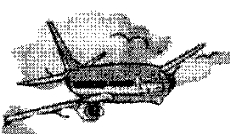
Summer holidays are coming soon. Are you going to travel? If you plan to take a plane, you will have a healthy trip by following these suggestions:
1.Bring some needed medicines in your carry-on bag. 2.Don’t leave your seat during the plane’s take offs and landings. 3.To prevent blood clots (血流不畅):
★ 1. ★ Do leg-stretching (伸) exercises in your seat. ★ Wear comfortable clothes. 4.If you sometimes get airsick: ★2. ★Keep your seat belt fastened(系好安全带). ★Don’t take small planes. 5. 3. Don’t take wine. 6.Use both hands when reaching overhead for something. 4. |
A. This will help prevent yourself from getting hurt.
B. Better drink water or juice when you feel thirsty.
C. Get up and walk around every 60 to 90 minutes.
D. Ask for a window seat or a seat over the wing.
5.What’s the best title for the passage?
A. A Plan for Summer Holidays
B. Suggestions for an Interesting Trip
C. Suggestions for a Healthy Air Trip
D. Problems during an Air Trip