题目内容
Vegetarianism (素食主义) is increasing in the UK as more and more British people are deciding not to eat meat and animal products. According to the Vegetarian Society,2. 000 people are giving up meat and “ going veggie ” in Britain every week. In 1989 a survey showed that 3% of the UK’s population was vegetarian. A more recent survey shows that 5. 7% of the population was vegetarian. In numbers this means there are over 3 million vegetarians in the UK today and vegetarians (people who don't eat meat) , and vegans ( people who don't eat or use any animal products) are becoming increasingly common in the UK culture.
So why are Brits cutting out meat from their diets? Many vegetarians and vegans choose not to eat meat or animal products for ethical (道德的) reasons. They are unhappy about the bad treatment of the animals and the effects of meat and fish production on the environment. Worries about food safety cause many people to stop eating meat. Others choose to change their diets in this way to improve their general health.
Another rising trend in the UK’s food culture is related to how our food is produced. Many people are rejecting (拒绝) GMF (转基因食品) and intensive farming procedures (集约农业过程) . What exactly does “ organic (有机的) ” mean? Organic food is produced in a more “natural” way. Organic farmers use no,or very few chemicals,pesticides (农药) or fertilizers (肥料) .
Three out of every four households in the UK now buy some types of organic food. Some people buy organic meat,fruit and vegetables from farmers? markets,where local farmers sell their products directly to the consumer. Many people buy organic produce in their local supermarkets. Although it's often more expensive,fans of organic food say it tastes much better!
As with vegetarianism,people choose organic food for health reasons or because of concern for the environment.
1. According to the passage,in the UK the National Vegetarian Week encourages people to .
A. plant more vegetables
B. give up meat
C. care for the environment
D. keep healthy diets
2. According to the passage,today the vegetarians in the UK are .
A. over 53 million
B. less than 1. 6 million
C. over 3 million
D. less than 1. 5 million
3. Which of the following is NOT the reason for Brits to cut out meat from their diets?
A. Ethical reasons. B. Food safety.
C. Saving money. D. Keeping healthy.
4. According to the passage, households in the UK now buy some types of organic food.
A. 75 percent B. 50 percent C. 5. 7 percent D. 3 percent
5. Which of the following is NOT true according to the passage?
A. Organic food is produced by using no or very few chemicals,pesticides or fertilizers.
B. Organic food in the farmers’ markets is more better than in local supermarkets.
C. Many people reject GMF and intensive farming procedures.
D. Both vegetarians and vegans refuse to eat meat.
素食主义在英国逐渐增加,越来越多的英国人决定不食 用肉类和动物产品。据素食协会调查,在英国每周会有2000 人放弃肉食,去做“素食主义者”。
1. B细节理解题。文中未出现“National Vegetarian Week” 但根据首段可知,“全国素食周”是为了鼓励人们放弃吃肉食。
2. C细节理解题。第一段有明确的信息“there are over 3 million vegetarians in the UK today”可知现在在英国,有 超过3百万人是素食主义者。
3. C推理判断题。通读全文可知,英国人选择不吃肉食是出于健康因素、环保和食品安全,但本文未提及是为了 节约钱。
4. A推理判断题。根据倒数第二段首句可知每四个家庭就有5个家庭购买有机食品,可以计算有75%的家庭购 头有机食品。
5. B推理判断题。根据倒数第二段可知,许多人认为在当地超市的有机食品品尝起来更好,所以选项B的说法 与原文不符。
GMF:转基因食品(Genetically Modified Foods) 是利用现代分子生物技术,将某些生物的基因转移 到其他物种中去,改造生物的遗传物质,使其在形 状、营养品质、消费品质等方面向人们所需要的目标 转变。以转基因生物为直接食品或为原料加工生产 的食品就是“转基因食品”。

 培优口算题卡系列答案
 开心口算题卡系列答案
 口算题卡河北少年儿童出版社系列答案
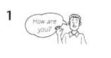 speak English
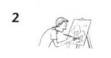 draw well
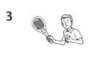 play tennis
  swim
swim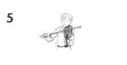 play the violin
 sing very well