题目内容
Passage 7(2014 江苏镇江,C)
“In my day,we had to walk a mile to school—uphill,both ways." That may sound like an old joke.Today,only 13 percent of kids walk to school,down from 66 percent 30 years ago.
Studies show that fewer children are walking and biking to school,and more children are at risk of becoming overweight. Changing behaviors of children and parents requires creative ways that are safe and fun.
A walking school bus can be both.
It works like a bus,picking up passengers along the way at designated (指定的) “bus stops” except everyone is walking!
The Walking School Bus works as a supervised group of children walking to and from school along a safe and enjoyable set route.There are at least two parents in a group.One parent “drives” at the front of the bus,while the other parent supervises at the back. The different supervisors go with the children to and from school. Ad- ditional (增加的) parents may be needed depending on the walking environment.
The “bus” can go as often as parents want to “ drive” it and children want to use it.This means that it can even work as little as one morning or afternoon each week. All children are welcome to join the bus even if their parents cannot be drivers. And the service is free.
Socially,it's great because the children meet other children;oth?erwise they would only know by sight.
“ My children have formed some good friendships because of the Walking Bus.The parents get to know other parents too!" a parent said From our experience of the Walking Bus,it has only been a meaningful thing.lt gets all of us walking more and the children do not complain about walking like they used to.
Some kids said compared to the Walking School Bus,it's boring in a car when they were asked why not get into a car.
Besides these,it might have a good effect on heavy traffic.
1. How many students walked to school 30 years ago?
A. 66 percent. B. 13 percent.
C. 30 percent. D.53 percent.
2. What does the underlined word “supervised” mean in the pas?sage?
A. controlled B. explored
C. required D. improved
3. What can the Walking School Bus NOT do to help the children .
A. make more friends
B. reduce the risk of being overweight
C. exercise more
D. complain about walking
4. The best title of this passage is
A. A new way to exercise
B. A new school bus
C. A walking school bus
D. Parents’ driving school bus
Passage 7
[语篇解读]研究表明:目前步行或骑自行车上学的孩子减少了,而 越来越多的孩子有超重的风险。在这样的背景下,“步行校车”的理念 诞生了。每辆“校车”至少有两名家长监管,以确保“校车”在安全的 路线上行驶。这不仅让孩子们爱上了步行,而且加强了他们之间的友 谊,繁忙的交通也得到了有效的缓解。
1. A细节理解题。根据第一段第三句Today,only 13 percent of kids walk to school,down from 66 percent 30 years ago.可推算出:30 年前步 行上学的学生占学生人数的66%。故选A项。
2. A词义猜测题。根据第五段内容可知,家长的作用是管理“步行校 车”的正常运行。control控制;explore探测;require要求;improve改 善。故选A项。
3. D推理判断题。根据文章内容可知,“步行校车”的好处是:既可以 锻炼了孩子们的身体,减少了超重的风险,又让孩子们结交新朋友, 但没有让他们抱怨步行。故选D项。
4. B主旨大意题。纵览全文可知,本文主要介绍了“步行校车”这种 新型的上学方式。故选B项。
[长难句] Studies show that fewer children are walking and biking toschool,and more children are at risk of becoming overweight.研究表明:步行或骑自行车上学的孩子减少了,而越来越多的孩子有超重的风险。that引导宾语从句;at risk of...冒 的风险。

 举一反三期末百分冲刺卷系列答案
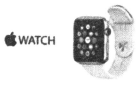 Last week,the watch was firstly introduced ^WATCH by Tim Cook,Apple's CEO.The price of the watch will differ from $ 349 to$ 1,099,depending on its size,strap and whether it is a sports or regular version.
 day.She finds herself in a wonderland with many amazing things inside.)