题目内容
________ Put / put on your coat, ________ you'll catch a cold.
- A.If; or
- B.You; and
- C./ ; or
- D./ ; and
祈使句+and/or结构。and与or的区别在于:or表达的结果与前面的情况相反,意思是“否则”。

 阳光试卷单元测试卷系列答案
| |||||||||||||||||||||||||||||||||||||||||||||||||||||||||||||||||||||||||
Many textbooks are not written in the kind of English that we speak every day. In fact, sometimes the reading is so difficult that it almost seems like a foreign language. In a way, it is—the language of science. You should not expect to be able to read a difficult science passage the same way you read an interesting story; you should not expect to read it easily and all at once. Instead, you may have to read it several times through, catching on the meaning of difficult words, going back over difficult sentences, and finally putting the whole thing together. Do not be discourages if the whole passage don’t make sense to you at first. You need to pick it apart patiently until you can understand it.
These are the steps to follow when you are reading something difficult:
1. Start to read normally until you run into a sentence that doesn’t make sense to you.
2. When a sentence doesn’t make sense, go back and read it again more slowly.
3. Look for any word you don’t know in the sentence. Try to understand their meanings using word parts and context clues(上下文线索). If necessary, look them up in the dictionary.
4. Look at the next few sentences to see if they explain more about the sentence you are working on. Do not read very much farther ahead until you understand what is being said.
5. Finally, read the sentence again. Try to put it into simpler words.
6. Read through the passage once. Try to understand all the hard parts well. Then read the whole passage once more at a usual speed. This helps you to put all ides together.
The stops sound a lot harder than they are. It is really just the normal way good readers understand anything that is difficult to read. After you have done the best you can this way, you should always feel free to ask for help from your teacher, if you have one.
【小题1】The underlined phrase “run into” means ___________.
| A.work out | B.come across | C.look into | D.pass by |
| A.we should look up new words before reading |
| B.it is sometimes difficult to read a science passage |
| C.the six steps are helpful in learning spoken English |
| D.interesting stories help readers to improve their English |
| A.steps of studying science | B.difficulties in reading science |
| C.ways of reading science passages | D.researches on science and English |
Why do we come to school? Most of us may say we come to school to study. But to study needs a right way, or you either waste the time or the money. The following are the ways for studying.
The best time for reading is morning. In the morning the air is fresh and the mind is clear. For that reason we can get good results.
In studying we must have patience(耐心). If we have not known a text well, we must read it again. We should not read the next one until we have learned the first one well.
When we are studying, we must put our hearts into the books, or we can get nothing from the books while we are reading.
We must always ask “whys”. If it is not well understood, write it down and ask our teachers or our parents, brothers or friends. In any possible way, we must know it completely and what we have learned can be used well and made better.
Though there are many ways for studying, yet what I have said above will be enough if we can keep them in heart and do so.
【小题1】How many ways for studying does the passage tell us?
| A.Three | B.Four | C.Five | D.Six |
| A.we have no other work to do |
| B.we can get good results |
| C.we have slept for some hours |
| D.we may learn the next text |
| A.read very fast |
| B.read in the afternoon |
| C.don’t read it again |
| D.can’t put our hearts into it |
| A.write down the questions |
| B.read in the afternoon |
| C.understand the book better |
| D.remember what we’ve learned |
| A.save our time and money |
| B.know the importance of reading |
| C.have more patience in reading |
| D.learn about the ways for reading |
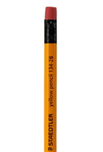
 ucts to help kids at school and make clear why they get
  udents write homework clearly.
 did Mark Champkins think of the pre-chewed pencil?
 which page of a newspaper can you most probably read this passage?
 ness
ness