题目内容
What will the girl do this afternoon?
A. Have a party. B. Visit the old people. C. Go shopping.
The more careful you are, _______ mistakes you’ll make in the exam.
A. the fewer B. the few
C. the little D. the more
Students these days often have a lot of worries. Sometimes they have problems with their schoolwork, and they aren't interested in study. They think it is difficult to learn all the subjects well. Sometimes they have problems with their friends. They can't get on well with their friends. Sometimes they have problems with their family. They don't know how to be with their family. What can they do about these?
The famous expert, Robert Hunt thinks that problems and worries are normal in life. He asks the students not to run away from their problems and asks them to try to solve the problems. He thinks the first step is to find someone you trust to talk to. This person doesn't need to be an expert like himself. He may be one of your friends or either of your parents. If you tell them about your problems or worries, they will help you because they maybe have more experience than you.
Why must we share our problems or worries with others? In English, we say that sharing a problem is like cutting it in half. So you are halfway to solving a problem just by talking to someone about it.
Worries: Students' problems with their 1., friends or family.
Robert Hunt's2.: Don't 3.the problems.
4.you trust to talk to.
The reason: 5. is like cutting it in half and you're halfway to solving a problem just by talking to someone about it.
一Why are you so happy?
—My friend me next month.
A. visits B. was visiting C. will visit D. visited
Mount Fuji is a famous mountain in ________.
A. Japan B. the USA C. the UK D. China
What is Jack going to be when he grows up?
A. B. C.
Reading books helps you open different windows to many colorful worlds. But today few Chinese people like to read. In 2012, a Chinese read an average (平均) of 4.39 books. Things are different in many other countries. A South Korean (韩国) man reads 11 books a year, a Japanese reads 17 and an American reads 21 books.
What to read
In China, many people only read self-help (自助) books. These books are usually about how to get success and health. In the US, teachers give students a reading list every few weeks. These books are about everything, like science and adventure (冒险).
How to get good reading habits
Read in short periods (周期). If you can’t concentrate for a long time, this way is helpful. 10 minutes on the way to and from school, 10 minutes when waiting for friends, 15 minutes before going to sleep. Then it's 45 minutes a day, about five hours a week.
Make your own reading list. Your list can be the best selling books on famous websites like The New York Times, Dangdang.com, or same books your teachers tell you to read.
Talk about your reading with your family or friends. It doubles (加倍) the fun to read. The more fun you get from books, the more books you will read.
1.A Chinese read an average of ________ books in 2012.
A. 4.39 B. 11 C. 17 D. 21
2.Which of the following is right according to (根据) the passage?
A. Self-help books are only about success and health.
B. Many Chinese like reading books about how to get success and health.
C. American teachers give students books every few weeks.
D. American students don’t like reading books about science and adventure.
3.What does "concentrate" mean in the passage?
A. 集中 B. 分散 C. 节约 D. 匀出
4.Which of the following are good reading habits according to the passage?
①Reading books for a short time once ②Reading in bed with a bright light
③Making careful notes while reading ④Eating something while reading
⑤Having a good reading list ⑥Sharing the fun with your family or friends after reading
A. ①②⑤⑥ B. ①④⑥ C. ①⑤⑥ D. ①②③⑤
5.What's the passage about?
A. Reading is helpful and interesting. B. Which are the best for you to read?
C. What are people around the world reading? D. Choose right books to read and have good reading habits.
根据你所听到的短文内容,选择正确答案。
1.Where did Sam go on vacation?
A. The beach. B. The countryside C. The town.
2.How was the weather there?.
A. Sunny and warm. B. Sunny but cold. C. Warm and windy.
3.Who did they meet?.
A. Someactors. B. Some farmers. C. Some engineers.
4.What do the farmers hope to have in the future?
A. Cars. B. Computers. C. Robots.
5.How long did they stay there?.
A. For two weeks. B. For two days. C. For two months.
James is just four. He is ______ young _______ take care of himself.
A. so,that B. too,to C. such,that D. enough,that

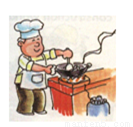 B.
B. 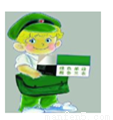 C.
C.