题目内容
【题目】ADVERTISEMENTS
HONGNAN RESTAURANT Tel:83386223 Add:635 Grand Road Open: Mon. to Fri. 7:00 am-2:30 pm 5:00 pm-9:00 pm Sat. & Sun. 7:30 am-2:00 pm 5:00 pm-10:00 pm | BAIHE SHOPPING CENTER Tel: 87872738 Add: 5300 Shanghai Road Open: Mon. to Fri. 10:00 am-11:00 pm Sun. to Sat. 9:00 am-10:30 pm |
FULL HOTEL Tel: 83338989 Add: 368 East Huanshi Road Breakfast: 6:30 am-9:00 am Lunch: 11:30 am-2:00 pm Dinner: 5:30 pm-10:00 pm Coffee Shop: Mon. to Fri. 7:00 am-10:00 pm Sat. to Sun. 8:00 am-10:00 pm | HISTORY MUSEUM Tel:87796960 Add:69 Hong Kong Road One of Guangdong’s largest museums specialized (专门) in Guangdong history of the native (本地) people. Open: Mon. to Fri. 9:00 am-5:00 pm Sat. & Sun. 9:00 am-3:00 pm |

【1】 If you want to buy a new dress, you can go to .
A. 69 Hong Kong Road B. 368 East Huanshi Road
C. 5300 Shanghai Road D. 635 Grand Road
【2】On Sunday morning, the coffee shop in Full Hotel doesn’t open until .
A. 6:30 am B. 7:00 am
C. 7:30 am D. 8:00 am
【3】You can know when you visit History Museum.
A. the history of South China
B. the history of Guangdong’s native people
C. the history of Shanghai
D. the history of Hong Kong
【答案】
【1】C
【2】D
【3】B
【解析】
试题分析:短文大意:该题给出了四则广告,主要介绍了虹南餐馆,历史博物馆,百合购物中心和全酒店的电话、营业时间、服务项目等信息。
【1】C细节理解题。根据Baihe Shopping Center Add:5300 Shanghai Road可知百合购物中心在上海路5300好,所以选C。
【2】D细节理解题。根据FULL HOTEL Coffee Shop : Sat. to Sun. 8:00 a. m. ~ 10:00 p. m.根据可知在星期日上午,全酒店的咖啡店直到八点才营业,所以选D。
【3】B细节理解题。根据HISTORY MUSEUM One of Guangdong’ s largest museums specialized(专门)in Guangdong history of the native(本地) people.可知这是一个有关广东历史特别是广东本地人的历史的最大的博物馆,所以选B。




【题目】根据材料内容。从方框中选择恰当的单词填空,使材料意思完整、通顺,有的需要变换形式。每词限用一次。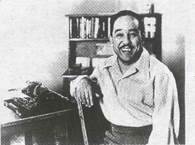
he, begin, bad, move, live, university, story, through |
Langston Hughes was a famous black poet (诗人). And he also wrote novels, plays and short
Hughes was born in Joplin, Missouri, the US. He with his grandmother in Lawrence, Kansas. She told him stories about their family. These stories made Hughes feel proud (自豪的) to be black. He to write when he was living with her. During his life time, he wrote a lot about black people. his poems, novels and stories, Hughes helped other black people to see themselves as part of a much bigger group of people.
After his grandmother died in 1915, he moved to Cleveland, Ohio, to live with mother and her new husband. Hughes went to high school there. His first short stories came out (出版) when he was still in high school.
After finishing high school in 1920, he to Mexico City to live with his father. Hughes had a very relationship (关系) with his father. His father didn't want him to be a writer. He said that Hughes could go to only if he studied engineering (工程学). Hughes agreed. He went to Columbia University in New York City in 1921 but left the university in 1922 because of his colour.


【题目】 What do you do if you want to give gifts to the important people in your life? Here are some make-it-yourself gift ideas to try:
| ||
To your mum and dad | To your teacher | To the kids who need a friend |
You can decorate a photo frame, sing a song or write a letter to your mum and dad. You could also draw a picture for them if you like that better. | You can send a DIY card with the words of thanks inside. You might even write down the favourite thing you’ve learned in class. | Maybe there is someone in your class who doesn’t seem to have many friends. You can give a Christmas card or just chat with him or her. It’s a small thing, but it could mean a lot to someone who feels a little shy or sad. |


【1】Teenagers don’t have to ____their parents as a gift, according to the passage.
A. write a letter to B. sing a song to
C. buy an expensive photo frame for D. draw a picture for
【2】If you want to send your teacher a card, what will you write in it?
A. The name of the students you don’t like.
B. The importance of making gifts by yourself.
C. Something you’ve learned in the teacher’s class.
D. Way to improve your grades.
【3】What’s the best title for the passage?
A. Making gifts yourself.
B. How to save money during holidays.
C. Making friends by giving gifts.
D. How to choose gifts for different people.