题目内容
【题目】
①Getting recognition(认可)from National Geographic, a famous US magazine, is the dream for many photographers. A Chinese teenage photographer has made this dream come true.
②With his work Weed(野草)on the Wall, Gong Zijie, a 14-year-old boy from Changsha, Hunan, won the 2014 International Photography Competition for Kids in China. It was hosted by National Geographic Kids. Gong got the first place for the subject Wild Vacation. His photo shows the shadow of a weed on the Forbidden City’s red walls. In photographer Li Shaobai's words, “The picture is silent but powerful.”
③Gong learned photography from his father, a professional photographer working for Hunan TV. Since the age of 4, he has been following his father to take pictures of nature and society.
④Gong is a patient photographer. When he finds something amazing, he can spend hours waiting for the perfect time to catch the moment. In his first work, Gong took the beautiful view of the sunset near his hometown. It looked simple, but Gong worked for four days to take the best photo.
⑤Now, the young photographer cares more about social (社会的)problems. In Gong’s pictures of Liuyang River, hundreds of dead fish show us the deadly results of pollution. He has made up his mind to document polluted rivers at least once every year to make people pay more attention to environmental protection.
⑥ “Now photography is not only a hobby, but also a duty(责任)for me.” said Gong.
(1)What's the name of the photo that helped Gong Zijie get the first place?
(2)What does photographer Li Shaobai think of Gong's work?
(3)Did Gong learn photography by himself?
(4)What does the writer want to tell us about Gong in Paragraph 4?
(5)What can you learn from Gong?
【答案】
(1)
Weed on the Wall.
(2)
The picture is silent but powerful.
(3)
No, he didn't
(4)
Gong is a patient photographer.
(5)
The spirit of his patience and responsibility
【解析】本文讲述了少年摄影家龚子杰:他四岁开始随父学习摄影,他的作品《墙头草》获2014年美国《国家地理》全球音少年摄影大赛中国区“野外度假”类一等奖。他有耐心,关心社会问题,拍摄作品《浏阳河之疡》,画面里中毒死去的大片鱼群让人触目惊心。他说:摄影对他不仅仅是一种爱好,更是一种责任。
1.细节理解题.题意:帮助龚子杰获得一等奖的摄影作品的名字是什么?由第二段第一句With his work Weed(野草)on the Wall, Gong Zijie, a 14-year-old boy from Changsha, Hunan, won the 2014 International Photography Competition for Kids in China.可知他得一等奖的摄影作品叫《墙头草》,故回答:Weed on the Wall.。
2.细节理解题。题意:画家李少白认为龚的作品怎样?由第二段最后一句:In photographer Li Shaobai’s words, “The picture is silent but powerful.”可知,他认为这副画静而有力。故回答The picture is silent but powerful.。
3.细节理解题。题意:龚自学的摄影吗?由第三段第一句Gong learned photography from his father, a professional photographer working for Hunan TV.可知他是向父亲学习的摄影。故作否定回答No, he didn’t。
4.主旨大意题。题意:作者在第四段里想要告诉我们什么?第四段通过举例说明了龚子杰是一位有耐心的摄影师,即本段第一句Gong is a patient photographer.。
5.放性表达题。题意:你可以从龚身上学会什么?根据短文,龚子杰有耐心,对社会问题有责任性。我们可以学习他的这两种精神。故可以回答The spirit of his patience and responsibility。






【题目】请先阅读下面短文,掌握其大意,然后根据短文内容从下面方框内的七个选项中选择五个还原到文中,使短文意思通顺、结构完整。
Hip-hop Planet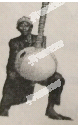
Countries like France, Brazil and even Japan have their own hip-hop culture. But where did this strange speaking-singing style come from? Many centuries ago, in West Africa, traditional storytellers played musical instruments while they were telling stories. When this tradition travelled from West Africa to the USA, it developed into different musical styles. For example, blues and jazz. And in the 1970s, there were many poor areas in New York. There wasn’t any money for music lessons in schools, so kids made their own music. Teenagers Afrika and DJ Here played their records outside in the streets. Everybody joined in. MCs had rapping(说唱) competitions. Every week, there were talented new dancers, new DJs and new MCs. Hip-hop culture was born.
It was 1980. I was at a party in New York. There was a young DJ at the party. He was playing records. While he was putting a record on, a kid picked up a microphone(话筒) and begantapping. Some other kids were break-dancing to the music. It was loud and boring, and I
hated it. I preferred jazz.
Today's successful American artists like Missy and her friend Tim heard it on the radio when they were growing up.
The last time I heard hip-hop, I was in West Africa. I was going to interview a traditional storyteller when I met a young hip-hop artist, He told me there are hundreds of rap groups in Africa today. We live on a hip-hop planet.
A.I remember the first time I heard hip-hop. |