题目内容
阅读短文,根据短文内容回答问题。
Creator of e-mail makes use of ‘@’ sign
Does your class use e-mail? Have you ever tried to write a story for our newspaper and send it in by e-mail? E-mail is used for everything, and it makes life easier. But do you know where e-mail came from?

The man who invented it was Ray Tomlinson, a US engineer. He died early last month at the age of 74.
Back in 1971, Tomlinson was working on something that could send messages from one computer to another. Tomlinson tried to find a way to separate users’ name from the names of their computers. He needed some kind of symbol (符号). However, it couldn’t be a popular one, and it couldn’t be one that computers might know in a different context (语境). It also needed to be on keyboard at the same time. The “@” sign was there, and pretty much no one used it. It was perfect.
“The ‘@’ sign made the most sense,” he told Wired in 2012. “It said where the user was…at.” For example, by writing “Alex at 21st Century Teens” you can send a message to somebody named Alex who works at 21st Century Teens. This was the early form of email.
The interesting thing is that Tomlinson didn’t remember what the very first test message he sent was. “Probably the first message was QWERTYUIOP or something like that,” Yahoo reported, guessing the first row of letters on the keyboard.
Tomlinson, the father of e-mail, changed the way the world communicates and more importantly saved the symbol “@”.
Today, the “@” symbol is finding new life outside of our inboxes (收件箱). Most famously, social media like Weibo and Wechat use it at the beginning of user names. So even if we don’t use e-mail some day, Tomlinson’s contribution (贡献) will certainly live on.
1.Who invented the e-mail?
2.When did he invent the e-mail?
3.Why did he choose the symbol “@”?
4.What does “@” sign tell us?
5.What’s the passage mainly about?

 Happy holiday欢乐假期暑假作业广东人民出版社系列答案
 快乐暑假暑假能力自测中西书局系列答案
Children’s Books Fair
MARS—The Red Planet “MARS—The Red Planet!” is one of our Early Reader Space books. It has surprising facts and photos explaining all about Mars. Aiming mainly at kids aged 7—10, it’s an interesting way for readers to find out more about the red planet. |
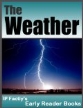
“The Weather” is one of our Early Earth books for boys and girls aged 13—15. This is a fun and fantastic way for readers to find out more about the weather on our earth. It offers information in a fun way—mixing facts, photos, and even has a web page with video clips explaining more about the information in the book. |
Horses Kids Book of Fun Facts & Amazing Pictures on Animals in Nature — A Perfect Horse Book for Kids Aged 5—8. The book written by Kate describes the noblest animal on the planet for early readers. The book is packed with beautiful and clear pictures that help your child to understand the (fun) facts about this animal. It also includes anatomy(解剖) of horses. |
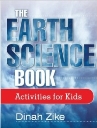
No other book on Earth science is packed with so much fun. It’s for kids aged 9—12.The Earth Science Book’s pages overflow with dozens and dozens of enjoyable, educational, and easy-to-do activities that explain basic Earth science facts and important environmental issues. These activities show you all about the planet Earth.
|
1.If your sister wants to know more about the space, she can choose ________.
A. MARS—The Red Planet B. The Weather
C. Horses D. The Earth Science Book
2.“The Weather” is one of our Early Earth books for boys and girls aged ________.
A. 5—8 B. 13—15 C. 9—12 D. 8—13
3.“Horses” is about ________.
A. the red planet
B. the weather on our earth
C. the easy-to-do activities
D. the noblest animal on the planet
4.Which is true according to the ads above?
A. The Weather is about the Moon.
B. Horses is a perfect book for kids aged 7—10.
C. The Earth Science Book was written by Dinah Zike.
D. MARS—The Red Planet is about the noblest anima