网址:http://m.1010jiajiao.com/timu3_id_3144259[举报]
Astronomy (天文学) is the oldest science known to man. Thousands of years ago man looked at the stars and wondered about heavens (天堂). But the six planets that he could see with his eyes alone limited man.
The Greeks studied astronomy over 2,000 years ago. They could see the size, color, and brightness of a star. They could see its place in the sky. They watched the stars move as the seasons changed. But the Greeks had no tools to help themselves study the heavens.
Each new tool added to the field of astronomy helped man reach out into space. Until there were telescopes (望远镜), man did not know much about the moon. He did not know that the planet called Saturn (土星) had rings around it. His sight was so limited that he could not see all the planets. In the early 1700s, people thought there were only six planets. Pluto (冥王星), the last of the nine planets to be discovered was seen until 1930.
Before the spectroscopes (分光镜), man didn’t know what kind of gas was in the sun or other stars, without radio telescopes (射电望远镜), we did not know that radio noise came from far in space.
Today, astronomy is a growing science. We have learned more in the past fifty years than in the whole history of astronomy.
Thousands of years ago, man watched ____ with his eyes.
A. the moon B. the stars C. the universe D. all the planets
When the Greeks watched the stars, they could ____ .
A. know what the stars were made of B. not see their places in the sky
C. help themselves study the heavens D. watch the stars move as the seasons changed
Until there were ____ , man knew very little about the moon.
A. telescopes B. spectroscopes C. radio telescopes D. spaceships
People didn’t know about Pluto until ____ .
A. the 1700s B. 2,000 years ago C. 1930 D. thousands of years ago
____ people began to do research on astronomy.
A. 50 years ago B. 90 years ago C. In the early 1700s D. Over 2,000 years ago
查看习题详情和答案>>Astronomy (天文学) is the oldest science known to man. Thousands of years ago man looked at the stars and wondered about heavens (天堂). But the six planets that he could see with his eyes alone limited man.
The Greeks studied astronomy over 2,000 years ago. They could see the size, color, and brightness of a star. They could see its place in the sky. They watched the stars move as the seasons changed. But the Greeks had no tools to help themselves study the heavens.
Each new tool added to the field of astronomy helped man reach out into space. Until there were telescopes (望远镜), man did not know much about the moon. He did not know that the planet called Saturn (土星) had rings around it. His sight was so limited that he could not see all the planets. In the early 1700s, people thought there were only six planets. Pluto (冥王星), the last of the nine planets to be discovered was seen until 1930.
Before the spectroscopes (分光镜), man didn’t know what kind of gas was in the sun or other stars, without radio telescopes (射电望远镜), we did not know that radio noise came from far in space.
Today, astronomy is a growing science. We have learned more in the past fifty years than in the whole history of astronomy.
1.Thousands of years ago, man watched ____ with his eyes.
A. the moon B. the stars C. the universe D. all the planets
2.When the Greeks watched the stars, they could ____ .
A. know what the stars were made of B. not see their places in the sky
C. help themselves study the heavens D. watch the stars move as the seasons changed
3. Until there were ____ , man knew very little about the moon.
A. telescopes B. spectroscopes C. radio telescopes D. spaceships
4.People didn’t know about Pluto until ____ .
A. the 1700s B. 2,000 years ago C. 1930 D. thousands of years ago
5. ____ people began to do research on astronomy.
A. 50 years ago B. 90 years ago C. In the early 1700s D. Over 2,000 years ago
查看习题详情和答案>>
Natural ways of keeping time
In ancient times, people had to use the sun and the moon to tell time. They got up when the sun came up and worked in the fields until the sun went down.
Man-made things
The sand clock is made of two glass balls joined by a narrow neck. The top ball was filled with sand. The sand slowly moved through the neck into the bottom ball. People knew how much time had passed when all the sand had fallen to the bottom ball.
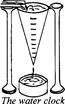
People also made the water clock. They made a small hole near the bottom of a pot. Then they filled the pot with water. Markings inside the pot showed how much time passed as the water dripped (滴) out of the hole.


Nature’s Clocks in Living Things
◆Animals’ Body Clock
Animals do not need clocks to know time. They have a way of telling time by their bodies. Birds know when to fly to warmer places before winter. Some animals know when to keep more food for the cold winter months. Some fish know when it is time to move up the river and lay eggs.
◆Plants have their own clocks
Plants also have their own clocks to keep time. Plants know when to open flow??ers or when to drop their leaves.
◆The Body Clock in Human Beings
People also have their own body clocks. When we get used to our lives, our body clocks can be very accurate (准确的). It can tell us when it is time to wake up. It can also tell us when to eat or to go to sleep.
How could an ancient farmer know when to go back home in the daytime?
A. By looking at the moon. B. By looking at the stars.
C. By looking at the sun. D. By feeling whether tired or not.
How many kinds of living things with nature’s clocks are mentioned here?
A. 2. B. 3. C. 5 D. 6.
From the passage, we know what man-made things have in common is that_______.
A. both of them have a hole. B. both of them are designed with glass balls.
C. both of them can be used only once. D. both of them tell time in the same way
查看习题详情和答案>>第二部分 阅读理解 (满分35分)
第一节 语篇阅读 (每小题2分)
阅读理解下面的短文,然后根据短文内容,指出能完成所给句子或回答所提问题的最佳答案。
Astronomy (天文学) is the oldest science known to man. Thousands of years ago man looked at the stars and wondered about heavens (天堂). But the six planets that he could see with his eyes alone limited man.
The Greeks studied astronomy over 2,000 years ago. They could see the size, color, and brightness of a star. They could see its place in the sky. They watched the stars move as the seasons changed. But the Greeks had no tools to help themselves study the heavens.
Each new tool added to the field of astronomy helped man reach out into space. Until there were telescopes (望远镜), man did not know much about the moon. He did not know that the planet called Saturn (土星) had rings around it. His sight was so limited that he could not see all the planets. In the early 1700s, people thought there were only six planets. Pluto (冥王星), the last of the nine planets to be discovered was seen until 1930.
Before the spectroscopes (分光镜), man didn’t know what kind of gas was in the sun or other stars, without radio telescopes (射电望远镜), we did not know that radio noise came from far in space.
Today, astronomy is a growing science. We have learned more in the past fifty years than in the whole history of astronomy.
1Thousands of years ago, man watched ____ with his eyes.
A. the moon B. the stars C. the universe D. all the planets
2 When the Greeks watched the stars, they could ____ .
A. know what the stars were made of B. not see their places in the sky
C. help themselves study the heavens D. watch the stars move as the seasons changed
3Until there were ____ , man knew very little about the moon.
A. telescopes B. spectroscopes C. radio telescopes D. spaceships
3People didn’t know about Pluto until ____ .
A. the 1700s B. 2,000 years ago C. 1930 D. thousands of years ago
5____ people began to do research on astronomy.
A. 50 years ago B. 90 years ago C. In the early 1700s D. Over 2,000 years ago
查看习题详情和答案>>
Natural ways of keeping time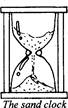
In ancient times, people had to use the sun and the moon to tell time. They got up when the sun came up and worked in the fields until the sun went down.
Man-made things
The sand clock is made of two glass balls joined by a narrow neck. The top ball was filled with sand. The sand slowly moved through the neck into the bottom ball. People knew how much time had passed when all the sand had fallen to the bottom ball.
People also made the water clock. They made a small hole near the bottom of a pot. Then they filled the pot with water. Markings inside the pot showed how much time passed as the water dripped (滴) out of the hole.
Nature’s Clocks in Living Things
◆Animals’ Body Clock
Animals do not need clocks to know time. They have a way of telling time by their bodies. Birds know when to fly to warmer places before winter. Some animals know when to keep more food for the cold winter months. Some fish know when it is time to move up the river and lay eggs.
◆Plants have their own clocks
Plants also have their own clocks to keep time. Plants know when to open flowers or when to drop their leaves.
◆The Body Clock in Human Beings
People also have their own body clocks. When we get used to our lives, our body clocks can be very accurate (准确的). It can tell us when it is time to wake up. It can also tell us when to eat or to go to sleep.
【小题1】How could an ancient farmer know when to go back home in the daytime?
| A.By looking at the moon. | B.By looking at the stars. |
| C.By looking at the sun. | D.By feeling whether tired or not. |
| A.2. | B.3. | C.5 | D.6. |
| A.both of them have a hole. | B.both of them are designed with glass balls. |
| C.both of them can be used only once. | D.both of them tell time in the same way |