网址:http://m.1010jiajiao.com/timu3_id_3092186[举报]
Ⅲ 阅读 (共两节,满分40分)
第一节 阅读理解 (共15小题;每小题2分,满分30分)
阅读下列短文,从每题所给的A、B、C和D项中,选出最佳选项,并在答题卡上将该项涂黑。
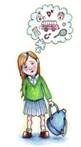 School phobia is a type of illness which
causes students to be afraid to go to school. This condition is most commonly
seen in children, typically between the ages of 8-13, and it can be very
upsetting, especially if it is allowed to progress. Symptoms include stomach
aches, tiredness, shaking, a racing heart and frequent trips to the toilet.
School phobia is a type of illness which
causes students to be afraid to go to school. This condition is most commonly
seen in children, typically between the ages of 8-13, and it can be very
upsetting, especially if it is allowed to progress. Symptoms include stomach
aches, tiredness, shaking, a racing heart and frequent trips to the toilet.
This common phobia is associated with a wide variety of causes. Most commonly it is the result of separation anxiety, but it can also be caused by different kinds of stress. A child who has recently moved, suffered a loss, or gone through a divorce may develop school phobia, and phobias can also develop in response to bullying (欺侮), an unrecognised learning disability, and poor self-image. Understanding the cause of a school phobia is an important step in providing treatment.
A child with school phobia usually refuses to go to school, or protests violently. He or she may become physically ill when ordered to school, or pretend to be sick to avoid going. When the child arrives at school, he or she may run away, or develop behavioural problems in class and on the playground. When school is discussed, the child can become impatient, upset or angry.
Many techniques can be used to manage school phobia, but research suggests that much more effective treatment is required for school phobia to prevent problems developing in later life. Children with this condition usually benefit from seeing a psychologist or doctor who can help the child and provide assistance to help parents and school officials support the child. As soon as a school phobia is identified, parents should take action too. Like other phobias, school phobia gets worse the longer it is left untreated, and it can interfere with a child's success in school. Adjustments can be made at home and in the classroom to help. If bullying is a cause, for example, the bullying situation should be solved. A teacher can meet the child at the door and take him or her to class, and provide support so that the child feels a friendly adult is always available.
Changes at home can include supportive language from parents, along with support like assistance with homework. If a child lacks confidence, parents may encourage the child to take up new hobbies that will help them to feel good about themselves. Parents might also talk to their children about their own fears of school and how they got over them, and their own enjoyment of school and school-like activities.
By following these methods we can help children to dispel their school phobia.
41. Which of the following topics is NOT discussed in the passage?
A. The definition of school phobia.
B. The history of school phobia.
C. The causes of school phobia.
D. The effects of school phobia.
42. What is a useful treatment for school phobia according to the passage?
A. Parents should allow their children occasional days off.
B. Teachers should be stricter with students.
C. Children should be helped to develop a sense of achievement.
D. Children should be regularly sent to psychologist.
43. The underlined word “dispel” (the last paragraph) probably means “________”.
A. accept B. realize C. forget D. overcome
44. Which of the following statement might the author agree with?
A. School phobia is most often suffered by middle school students.
B. School phobia may have bad influence on children’s future life if neglected.
C. Children with school phobia should not be given medical treatment.
D. Most children with school phobia are pretending to be ill.
45. What are some of the reasons for school phobia mentioned in the passage?
A. Bullying, recent devoice and moving to a new area.
B. Learning disability, impatience and poor concentration.
C. Stomachache, poor school performance and aggressive teachers.
D. Shaking, lack of confidence and few friends.
查看习题详情和答案>>
Ⅲ 阅读 (共两节,满分40分)
第一节 阅读理解 (共15小题;每小题2分,满分30分)
阅读下列短文,从每题所给的A、B、C和D项中,选出最佳选项,并在答题卡上将该项涂黑。
School phobia is a type of illness which causes students to be afraid to go to school. This condition is most commonly seen in children, typically between the ages of 8-13, and it can be very upsetting, especially if it is allowed to progress. Symptoms include stomach aches, tiredness, shaking, a racing heart and frequent trips to the toilet.
This common phobia is associated with a wide variety of causes. Most commonly it is the result of separation anxiety, but it can also be caused by different kinds of stress. A child who has recently moved, suffered a loss, or gone through a divorce may develop school phobia, and phobias can also develop in response to bullying (欺侮), an unrecognised learning disability, and poor self-image. Understanding the cause of a school phobia is an important step in providing treatment.
A child with school phobia usually refuses to go to school, or protests violently. He or she may become physically ill when ordered to school, or pretend to be sick to avoid going. When the child arrives at school, he or she may run away, or develop behavioural problems in class and on the playground. When school is discussed, the child can become impatient, upset or angry.
Many techniques can be used to manage school phobia, but research suggests that much more effective treatment is required for school phobia to prevent problems developing in later life. Children with this condition usually benefit from seeing a psychologist or doctor who can help the child and provide assistance to help parents and school officials support the child. As soon as a school phobia is identified, parents should take action too. Like other phobias, school phobia gets worse the longer it is left untreated, and it can interfere with a child's success in school. Adjustments can be made at home and in the classroom to help. If bullying is a cause, for example, the bullying situation should be solved. A teacher can meet the child at the door and take him or her to class, and provide support so that the child feels a friendly adult is always available.
Changes at home can include supportive language from parents, along with support like assistance with homework. If a child lacks confidence, parents may encourage the child to take up new hobbies that will help them to feel good about themselves. Parents might also talk to their children about their own fears of school and how they got over them, and their own enjoyment of school and school-like activities.
By following these methods we can help children to dispel their school phobia.
41. Which of the following topics is NOT discussed in the passage?
A. The definition of school phobia.
B. The history of school phobia.
C. The causes of school phobia.
D. The effects of school phobia.
42. What is a useful treatment for school phobia according to the passage?
A. Parents should allow their children occasional days off.
B. Teachers should be stricter with students.
C. Children should be helped to develop a sense of achievement.
D. Children should be regularly sent to psychologist.
43. The underlined word “dispel” (the last paragraph) probably means “________”.
A. accept B. realize C. forget D. overcome
44. Which of the following statement might the author agree with?
A. School phobia is most often suffered by middle school students.
B. School phobia may have bad influence on children’s future life if neglected.
C. Children with school phobia should not be given medical treatment.
D. Most children with school phobia are pretending to be ill.
45. What are some of the reasons for school phobia mentioned in the passage?
A. Bullying, recent devoice and moving to a new area.
B. Learning disability, impatience and poor concentration.
C. Stomachache, poor school performance and aggressive teachers.
D. Shaking, lack of confidence and few friends.
查看习题详情和答案>>Ⅲ 阅读 (共两节,满分40分)
第一节 阅读理解 (共15小题;每小题2分,满分30分)
阅读下列短文,从每题所给的A、B、C和D项中,选出最佳选项,并在答题卡上将该项涂黑。
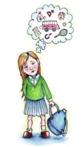 School phobia is a type of illness which causes students to be afraid to go to school. This condition is most commonly seen in children, typically between the ages of 8-13, and it can be very upsetting, especially if it is allowed to progress. Symptoms include stomach aches, tiredness, shaking, a racing heart and frequent trips to the toilet.
This common phobia is associated with a wide variety of causes. Most commonly it is the result of separation anxiety, but it can also be caused by different kinds of stress. A child who has recently moved, suffered a loss, or gone through a divorce may develop school phobia, and phobias can also develop in response to bullying (欺侮), an unrecognized learning disability, and poor self-image. Understanding the cause of a school phobia is an important step in providing treatment.
A child with school phobia usually refuses to go to school, or protests violently. He or she may become physically ill when ordered to school, or pretend to be sick to avoid going. When the child arrives at school, he or she may run away, or develop behavioural problems in class and on the playground. When school is discussed, the child can become impatient, upset or angry.
Many techniques can be used to manage school phobia, but research suggests that much more effective treatment is required for school phobia to prevent problems developing in later life. Children with this condition usually benefit from seeing a psychologist or doctor who can help the child and provide assistance to help parents and school officials support the child. As soon as a school phobia is identified, parents should take action too. Like other phobias, school phobia gets worse the longer it is left untreated, and it can interfere with a child's success in school. Adjustments can be made at home and in the classroom to help. If bullying is a cause, for example, the bullying situation should be solved. A teacher can meet the child at the door and take him or her to class, and provide support so that the child feels a friendly adult is always available.
Changes at home can include supportive language from parents, along with support like assistance with homework. If a child lacks confidence, parents may encourage the child to take up new hobbies that will help them to feel good about themselves. Parents might also talk to their children about their own fears of school and how they got over them, and their own enjoyment of school and school-like activities.
By following these methods we can help children to dispel their school phobia.
 41. Which of the following topics is NOT discussed in the passage?
A. The definition of school phobia.
B. The history of school phobia.
C. The causes of school phobia.
D. The effects of school phobia.
42. What is a useful treatment for school phobia according to the passage?
A. Parents should allow their children occasional days off.
B. Teachers should be stricter with students.
C. Children should be helped to develop a sense of achievement.
D. Children should be regularly sent to psychologist.
43. The underlined word “dispel” (the last paragraph) probably means “________”.
A. accept B. realize C. forget D. overcome
44. Which of the following statement might the author agree with?
A. School phobia is most often suffered by middle school students.
B. School phobia may have bad influence on children’s future life if neglected.
C. Children with school phobia should not be given medical treatment.
D. Most children with school phobia are pretending to be ill.
45. What are some of the reasons for school phobia mentioned in the passage?
A. Bullying, recent devoice and moving to a new area.
B. Learning disability, impatience and poor concentration.
C. Stomachache, poor school performance and aggressive teachers.
D. Shaking, lack of confidence and few friends.
查看习题详情和答案>>
School phobia is a type of illness which causes students to be afraid to go to school.This condition is most commonly seen in children, typically between the ages of 8-13, and it can be very upsetting, especially if it is allowed to progress.Symptoms include stomach aches, tiredness, shaking, a racing heart and frequent trips to the toilet.
This common phobia is associated with a wide variety of causes.Most commonly it is the result of separation anxiety, but it can also be caused by different kinds of stress.A child who has recently moved, suffered a loss, or gone through a divorce may develop school phobia, and phobias can also develop in response to bullying (欺侮), an unrecognised learning disability, and poor self-image.Understanding the cause of a school phobia is an important step in providing treatment.
A child with school phobia usually refuses to go to school, or protests violently.He or she may become physically ill when ordered to school, or pretend to be sick to avoid going.When the child arrives at school, he or she may run away, or develop behavioral problems in class and on the playground.When school is discussed, the child can become impatient, upset or angry.
Many techniques can be used to manage school phobia, but research suggests that much more effective treatment is required for school phobia to prevent problems developing in later life.Children with this condition usually benefit from seeing a psychologist or doctor who can help the child and provide assistance to help parents and school officials support the child.As soon as a school phobia is identified, parents should take action too.Like other phobias, school phobia gets worse the longer it is left untreated, and it can interfere with a child's success in school.Adjustments can be made at home and in the classroom to help.If bullying is a cause, for example, the bullying situation should be solved.A teacher can meet the child at the door and take him or her to class, and provide support so that the child feels a friendly adult is always available.
Changes at home can include supportive language from parents, along with support like assistance with homework.If a child lacks confidence, parents may encourage the child to take up new hobbies that will help them to feel good about themselves.Parents might also talk to their children about their own fears of school and how they got over them, and their own enjoyment of school and school-like activities.
By following these methods we can help children to dispel their school phobia.
1.Which of the following topics is NOT discussed in the passage?
A.The definition of school phobia. B.The history of school phobia.
C.The causes of school phobia. D.The effects of school phobia.
2.What is a useful treatment for school phobia according to the passage?
A.Parents should allow their children occasional days off.
B.Teachers should be stricter with students.
C.Children should be helped to develop a sense of achievement.
D.Children should be regularly sent to psychologist.
3.The underlined word “dispel” (the last paragraph) probably means “________”.
A.accept B.realize C.forget D.overcome
4.Which of the following statement might the author agree with?
A.School phobia is most often suffered by middle school students.
B.School phobia may have bad influence on children’s future life if neglected.
C.Children with school phobia should not be given medical treatment.
D.Most children with school phobia are pretending to be ill.
5.What are some of the reasons for school phobia mentioned in the passage?
A.Bullying, recent devoice and moving to a new area.
B.Learning disability, impatience and poor concentration.
C.Stomachache, poor school performance and aggressive teachers.
D.Shaking, lack of confidence and few friends.
查看习题详情和答案>>
Ⅲ 阅读 (共两节,满分40分)
第一节阅读理解 (共15小题;每小题2分,满分30分)
阅读下列短文,从每题所给的A、B、C和D项中,选出最佳选项,并在答题卡上将该项涂黑。
School phobia is a type of illness which causes students to be afraid to go to school. This condition is most commonly seen in children, typically between the ages of 8-13, and it can be very upsetting, especially if it is allowed to progress. Symptoms include stomach aches, tiredness, shaking, a racing heart and frequent trips to the toilet.
This common phobia is associated with a wide variety of causes. Most commonly it is the result of separation anxiety, but it can also be caused by different kinds of stress. A child who has recently moved, suffered a loss, or gone through a divorce may develop school phobia, and phobias can also develop in response to bullying (欺侮), an unrecognised learning disability, and poor self-image. Understanding the cause of a school phobia is an important step in providing treatment.
A child with school phobia usually refuses to go to school, or protests violently. He or she may become physically ill when ordered to school, or pretend to be sick to avoid going. When the child arrives at school, he or she may run away, or develop behavioural problems in class and on the playground. When school is discussed, the child can become impatient, upset or angry.
Many techniques can be used to manage school phobia, but research suggests that much more effective treatment is required for school phobia to prevent problems developing in later life. Children with this condition usually benefit from seeing a psychologist or doctor who can help the child and provide assistance to help parents and school officials support the child. As soon as a school phobia is identified, parents should take action too. Like other phobias, school phobia gets worse the longer it is left untreated, and it can interfere with a child's success in school. Adjustments can be made at home and in the classroom to help. If bullying is a cause, for example, the bullying situation should be solved. A teacher can meet the child at the door and take him or her to class, and provide support so that the child feels a friendly adult is always available.
Changes at home can include supportive language from parents, along with support like assistance with homework. If a child lacks confidence, parents may encourage the child to take up new hobbies that will help them to feel good about themselves. Parents might also talk to their children about their own fears of school and how they got over them, and their own enjoyment of school and school-like activities.
By following these methods we can help children to dispel their school phobia.
41. Which of the following topics is NOT discussed in the passage?
A. The definition of school phobia.
B. The history of school phobia.
C. The causes of school phobia.
D. The effects of school phobia.
42. What is a useful treatment for school phobia according to the passage?
A. Parents should allow their children occasional days off.
B. Teachers should be stricter with students.
C. Children should be helped to develop a sense of achievement.
D. Children should be regularly sent to psychologist.
43. The underlined word “dispel” (the last paragraph) probably means “________”.
A. accept B. realize C. forget D. overcome
44. Which of the following statement might the author agree with?
A. School phobia is most often suffered by middle school students.
B. School phobia may have bad influence on children’s future life if neglected.
C. Children with school phobia should not be given medical treatment.
D. Most children with school phobia are pretending to be ill.
45. What are some of the reasons for school phobia mentioned in the passage?
A. Bullying, recent devoice and moving to a new area.
B. Learning disability, impatience and poor concentration.
C. Stomachache, poor school performance and aggressive teachers.
D. Shaking, lack of confidence and few friends.