网址:http://m.1010jiajiao.com/timu3_id_2692352[举报]
The first way to make friends is to smile. When you smile, people think you are __1___ and easy to talk to. It may not be easy at first to smile. But, you can practice in the mirror(镜子). When you look at yourself, think if you’d like to __2___ to your smiling face or your usual face. Of course the smiling face. Most people stay away from an __3___ face.
One easy way to start a conversation with someone is to say __4___ nice about them. For example, you could talk about an interesting __5___ to a teacher’s question, good match at the ball field, pretty shirt, etc…. Think about how great you feel when someone says something nice to you. Doesn’t it make you want to __6___ talking to that person?
Ask your new friends questions about themselves. Such as: “Who’s their favorite singer?” “Where do they live, who’s their teacher?” “What do they do after school?” … etc. They are all good questions to start a __7___.
When someone asks you a question, do have an answer for them. If you don’t __8___ who your favorite singer is, or what your hobbies are, think about it. There’s nothing that will __9___ a conversation quicker than a shrug(耸肩) for an answer.
Shy kids often have some trouble with complements. When someone says something nice, shy kids often say nothing. This leaves the other person __10___ if they said something wrong. The best and easiest reply to a complement is a simple “thank you”.
1. A.funny B.strang C.crazy D.friendly
2. A.talk B.say C.see D.look
3. A.honest B.old C.angry D.exciting
4. A.anything B.something C.everything D.nothing
5. A.answer B.book C.decision D.invention
6. A.have B.prefer C.finish D.keep
7. A.discussion B.conversation C.meeting D.game
8. A.meet B.believe C.know D.guess
9. A.try B.stop C.find D.make
10. A.wondering B.forgetting C.hearing D.knowing
查看习题详情和答案>>
What did you do on April 23, World Book Day, last year? Did you find some interesting books to read? Here is a book list from China’s GAPP.
|
Author: Jimmy Jimmy, a Chinese painter and his 10-year-old daughter argue a lot. Jimmy tried to understand his daughter, so he drew this picture book for her. His paintings show kids’ anger, pain, happiness and wishes. |
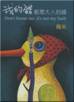 Title: Don’t Blame Me, it’s Not My Fault
 |
Author: Yamamoto Ryoichi If the earth’s temperature went up 2 ℃, what would happen? In this book we learn about the history, today’s situation and the future of global warming. The author also tells us useful ways to protect our world. |
 Title: Climate Change +2 Degrees
 |
Author: Song Chao The first part gives an introduction to World Expos. The next talks about the host countries and each of their World Expos. China’s early participation (参加) in the World Expo is the topic of the third part. The last one is all about the World Expo 2010. |
 Title: The World Exposition Reader
|
Author: Randy Pausch Randy Pausch, a professor (教授) from New York was asked to give a lecture. He knew it would probably be his last lecture, because he was dying of illness. His lecture wasn’t about dying, but about getting over the difficulties, helping others to reach their dreams. |
 Title: The Last Lecture
74. Who wrote the book “Don’t Blame Me, it’s Not My Fault”?
A. Jimmy B. Yamamoto Ryoichi C. Song Chao D. Randy Pausch
75. The book, Climate Change +2 Degrees mainly tells us __________.
A. that the earth’s temperature will surely go up 2 ℃.
B. the history of different countries in the world
C. the future of global warming
D. how we can protect our earth before the global warming comes
76. We can know about Shanghai World Expo from __________ of the World Exposition Reader.
A. part 1 B. part 2 C. part 3 D. the last part
77. Which of the following is NOT true in the book The Last Lecture?
A. The professor is from America.
B. The professor was in his poor health.
C. The professor shared his opinion with his audience
D. The professor talked a lot about his illness in his lecture
78. The writer introduces some __________ to us for World Book Day.
A. books B. pictures C. cities D. famous people
79. The passage maybe comes from __________.
A. a diary B. a novel C. a book advertisement D. film reviews
查看习题详情和答案>>阅读下面的短文,从短文后各题所给的A、B、C、D四个选项中,选出一个可以填入
空白处的最佳选项,并在答题卡上将该项涂黑。
The first way to make friends is to smile. When you smile, people think you are __41___ and easy to talk to. It may not be easy at first to smile. But, you can practice in the mirror(镜子). When you look at yourself, think if you’d like to __42___ to your smiling face or your usual face. Of course the smiling face. Most people stay away from an __43___ face.
One easy way to start a conversation with someone is to say __44___ nice about them. For example, you could talk about an interesting __45___ to a teacher’s question, good match at the ball field, pretty shirt, etc…. Think about how great you feel when someone says something nice to you. Doesn’t it make you want to __46___ talking to that person?
Ask your new friends questions about themselves. Such as: “Who’s their favorite singer?” “Where do they live, who’s their teacher?” “What do they do after school?” … etc. They are all good questions to start a __47___.
When someone asks you a question, do have an answer for them. If you don’t __48___ who your favorite singer is, or what your hobbies are, think about it. There’s nothing that will __49___ a conversation quicker than a shrug(耸肩) for an answer.
Shy kids often have some trouble with complements. When someone says something nice, shy kids often say nothing. This leaves the other person __50___ if they said something wrong. The best and easiest reply to a complement is a simple “thank you”.
41. A. funny B. strange C. crazy D. friendly
42. A. talk B. say C. see D. look
43. A. honest B. old C. angry D. exciting
44. A. anything B. something C. everything D. nothing
45. A. answer B. book C. decision D. invention
46. A. have B. prefer C. finish D. keep
47. A. discussion B. conversation C. meeting D. game
48. A. meet B. believe C. know D. guess
49. A. try B. stop C. find D. make
50. A. wondering B. forgetting C. hearing D. knowing
查看习题详情和答案>>it? But parents and teachers want to read this one, too. It can teach them something about the language of
today's kids.
So lots of people, young and old, went to see the book's author, 19-year-old Korean girl Guiyeoni, on
Saturday. She was in Beijing to sign books for her fans.
"Guiyeoni wrote a story that is near to us and goes to our hearts," said a Junior 2 student in Beijing.
"When I read it, I laughed and I cried." Like the "Meteor Garden" TV series (系列), "That Guy Was Cool"
tells an unusual story of love between two students. The girl is sweet, but she's just average (一般的).
The boy is good-looking and has everything, but he is often unhappy because his father died when he
was very young. They become close and help each other to be happy. In the end, they fall in love.
"The girl in the book is like me. She's simple and moody," said Guiyeoni.
Guiyeoni's book doesn't only use words. It also uses things like emoticons. Emoticons are small icons,
like smiling faces, and they are used to show emotions. Kids know what these things mean, because they
often use them when they talk on the Internet or send messages with mobile phones.
Guiyeoni said she wrote this way because of her young readers. "Writing with pictures is vivid and
can say a lot of things," she said.
Guiyeoni began writing the book's story on the Web in 2001 when she was a Senior 2 student. Last year,
she put that online story together to make this book. "That Guy Was Cool" has been made into a film, and it
will come out in Korea next month.
This is Guiyeoni's first of four books, and she hopes to keep writing as she goes through college.
She also has a message for young writers. "I think that if they try hard, lots of young people can do this."
B. the writer of "Meteor Garden."
C. a young writer
D. one of the emotions.
B. See you.
C. Good bye!
D. Hello!
B. she wants her young readers to be interested
C. pictures can say lots of things
D. she was only a Senior student when she was writing the story
B. of the way the author wrote the story
C. the story goes to their heart.
D. it's helpful for them to know about their children better.
"I think that if they try hard, lots of young people can do this"?
B. Time flies.
C. No news is good news.
D. Where there is a will, there is a way.