题目内容
— Thank you very much! — ________
A. Don’t thank me. B. No thanks.
C. You’re welcome. D. That’s right.
C
【解析】
试题分析:句意:——非常谢谢你!——不用谢。Don’t thank me.“不要感谢我”; No thanks没有感谢;You’re welcome不用谢; That’s right.那是对的。根据Thank you very much!可知此处表示感谢,应表示不用谢,故选C。
考点:考查交际用语。
考点分析: 考点1:情景交际 【题型特点】 情景交际是根据对话一问一答的形式,通过提供一定的语境,将语言放在实际情景中去考查的试题。其主题侧重打电话、购物、看病、约会、问路等,辅以考查问候、介绍、告别、感谢、祝愿、请求、允许等日常交际用语的运用和掌握情况。近几年,中考情景交际的常考题型有选择题和填空题。【解题思路】
1. 通览对话,领会大意。解题时应先跳过空格通览对话,了解对话大意,根据对大意的把握,判定语境,揣摩话题。掌握对话者的身份、意图、态度,弄清句与句之间的逻辑关系。
2. 抓关键词,试填选项。根据语篇衔接,发现各句的语意联系,进一步了解双方的观点和态度,然后浏览选项或者空白处,初步确定答案。 3. 细读选项,选择答案。在把握话题和语境的基础上,细读所提供的选项,认真分析它们之间的异同,依据对话的有关情景内容,选择正确的答案。
4. 通读对话,验证答案。将对话补全之后,再将整段对话通读一遍,逐一验证答案。所选的答案不仅要在语义上符合语境,而且要符合逻辑、语法和习惯表达。
【特别提示】先易后难,排除干扰。试题一般有难有易。解题时可以先填自己有把握的选项,随着空白处的减少,对话内容也更明朗,再通过深入的分析和对比,解决较难的空白处。
试题属性
- 题型:
- 难度:
- 考核:
- 年级:

“Vocabulary” means the words of a language. To learn vocabulary, you need to check four things.
Spelling To learn a word, you need to how to spell it. You can try the LCWC(look, cover, write, check)method(方法). First, look at the word and read it out loud. Next, cover the word so it can’t be seen. Then, write the word down. Finally, uncover the word and check if you’ve spelt it correctly. |
Pronunciation How do you pronunciation a word? Do you pronounce it the same way as you spell it? If so, you may pronounce it wrong. For example, the pronunciation of “ough” is different in each of these words: “through”, “bough” and “rough”. You also need to know where the stress(the strong sound) is in a word. |
Meaning You need to keep in mind that words often have more than one meaning in English. Take the word “dust” for example. If you dust the bedroom, you are removing the dust. The first “dust” is a verb meaning “to clean”; the second “dust” is a noun meaning “the things being cleaned away”. |
Use How do you use a word? D o you know if it is formal? Do you know what other words it can use with and when? An example is “ yours”. You can use it to show possession(拥有), as in “ This book is yours.” And you can also use it at the end of a less formal letter, e.g. “ Yours, Peter Brown.” At the end of a formal letter you can use it with “Sincerely”, though generally in America the use is “Sincerely yours,” and in the UK, it is “Yours sincerely”. |
根据以上信息,选择最佳答案。
1.Which of the following shows the right order of the LCWC method?
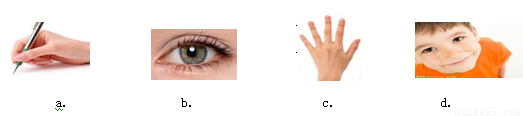
A. c→b→d→a B. d→b→c→a
C. b→c→a→d D.a→b→d→c
2.What can we learn from the part “Pronunciation”?
A. We should pronounce a word the same way as we spell it.
B. We need to know the stress when we pronounce a word.
C. “Ough” has the same pronunciation in “through” and “rough”.
D. We don’t need to know the stress when we pronounce a word .
3.The underlined word “removing” means “__________” in Chinese.
A. 回收 B. 搬家 C. 抛洒 D. 去除
4.Englishmen like to use “___________” at the end of a formal letter.
A. Your B. Yours sincerely
C. Sincerely yours D. Yours
5.From the passage, we know that ____________.
A. how to learn vocabulary
B. the importance of learning vocabulary.
C. why we like English
D. why we learn English